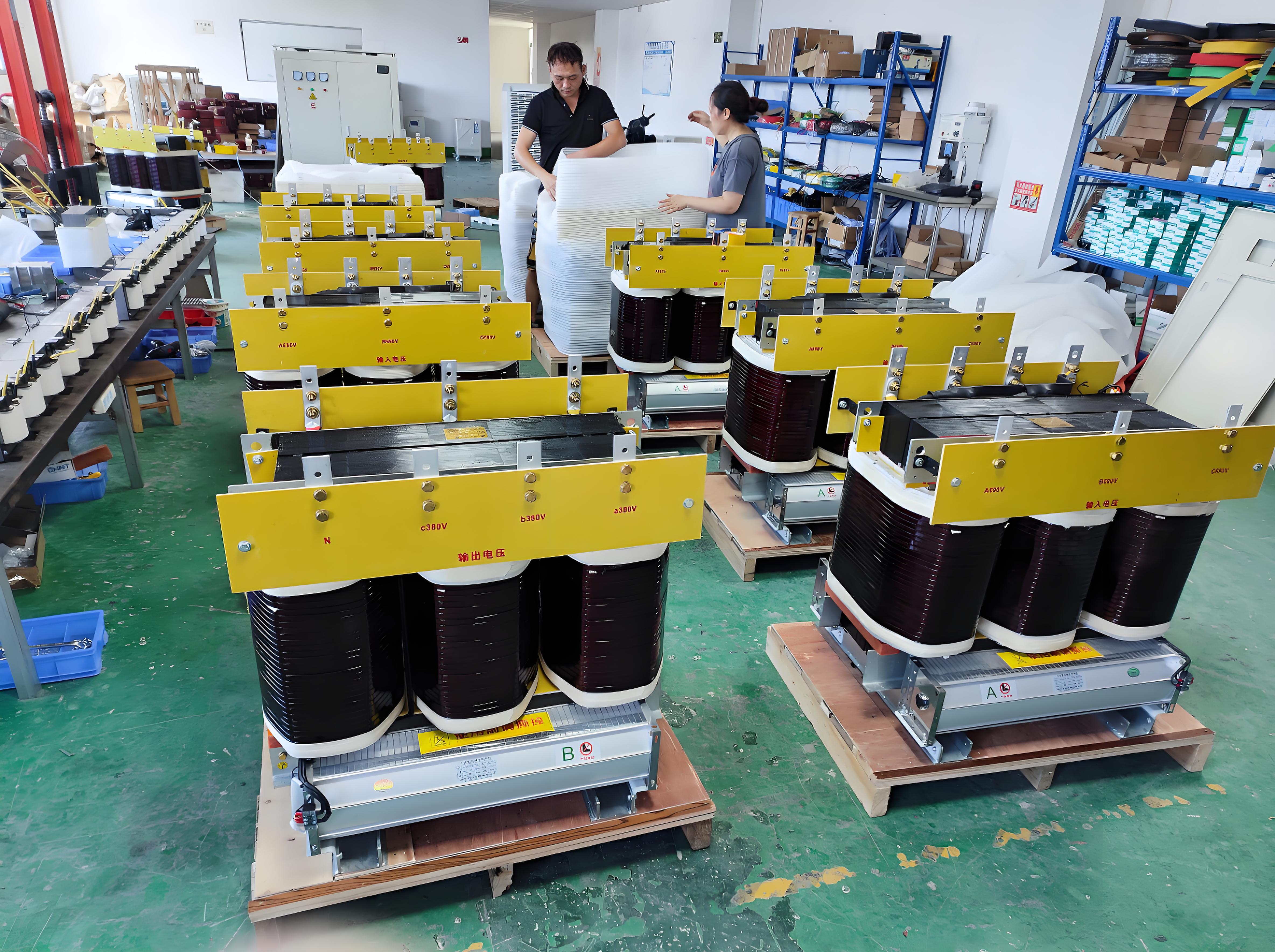
Introduction
Residual magnetism, also known as remanence, is a phenomenon where a transformer core retains a certain level of magnetic flux density after the external magnetizing force (current) is removed. While inherent to ferromagnetic materials used in transformer cores (typically grain-oriented silicon steel), residual magnetism becomes particularly relevant and potentially problematic after certain types of transformer testing, such as factory acceptance tests, commissioning tests, or diagnostic tests involving direct current (DC) injection (e.g., winding resistance measurement, degaussing verification). Understanding the causes, effects, and mitigation of residual magnetism is crucial for ensuring the reliable and safe operation of transformers post-testing.
Causes of Residual Magnetism After Testing
The primary cause of significant residual magnetism after testing is the application of DC currents or asymmetric AC currents that drive the core's magnetic hysteresis loop into deep saturation.
- DC Winding Resistance Measurement: This is the most common culprit. During this test, a DC current is applied to measure the resistance of the windings. If the DC current is applied abruptly or interrupted suddenly, the core can be left in a highly saturated state, resulting in strong residual magnetism. The magnitude and polarity of the remanence depend on the point on the hysteresis loop where the current was interrupted.
- Inrush Current Simulation Tests: Tests designed to study or simulate transformer energization can intentionally create conditions similar to inrush current, leading to core saturation and subsequent residual flux.
- Lightning Impulse or Switching Surge Tests: Although primarily AC, these high-voltage impulses can have a DC component or cause asymmetric saturation, potentially leaving residual flux.
- Improper Degaussing: Ironically, an incomplete or poorly executed degaussing (demagnetization) procedure after a previous test can leave residual magnetism.
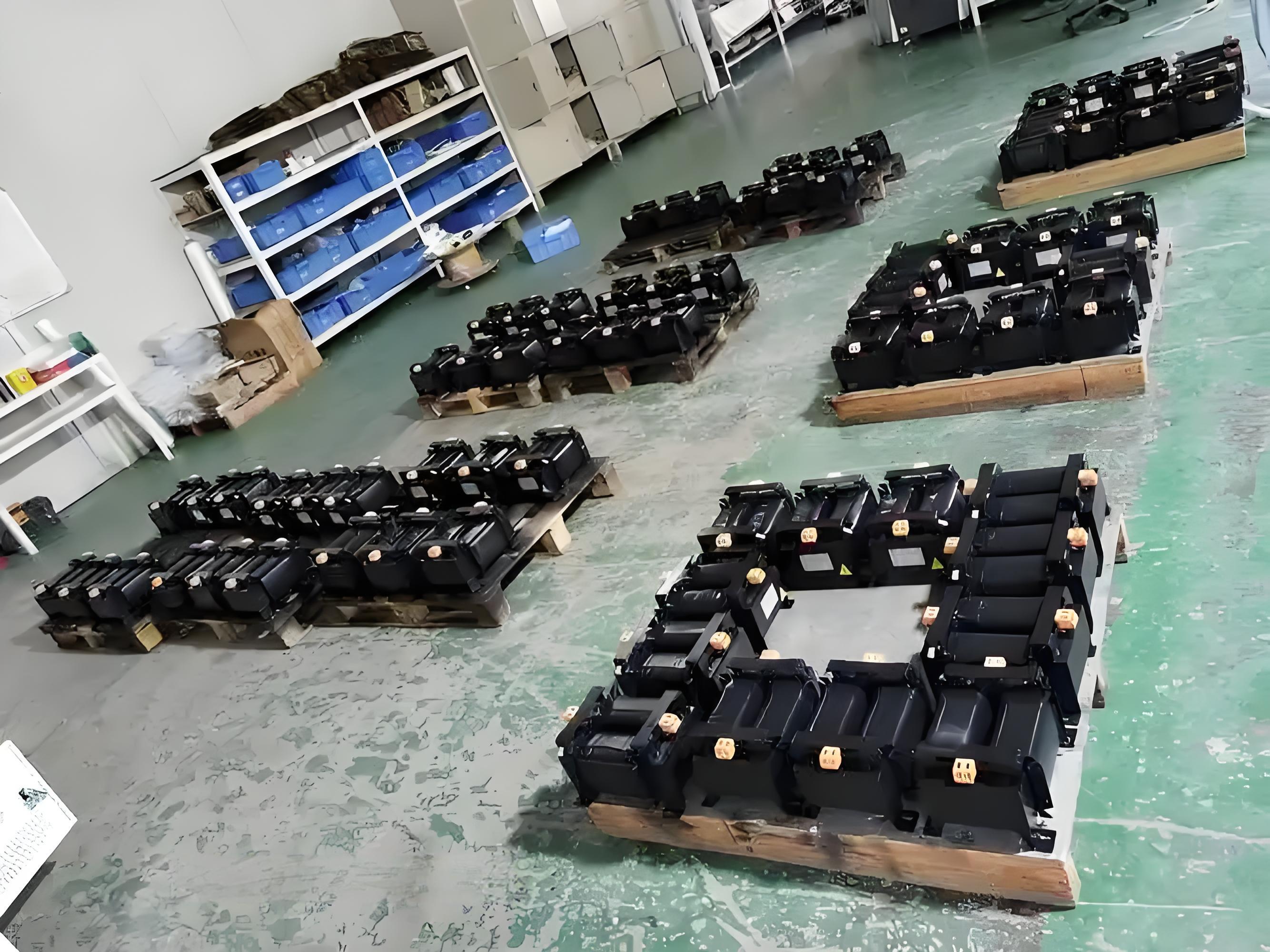
Effects of Residual Magnetism
Residual magnetism, if not addressed, can lead to several operational issues upon transformer energization:
- Excessive Inrush Current: This is the most significant and dangerous consequence. When a transformer with residual flux is energized, the initial flux established by the system voltage must start from the level of the residual flux, not zero. If the residual flux and the flux from the system voltage are in the same direction, the core can be driven into deep saturation almost immediately upon closing the circuit breaker. A saturated core has very low inductance, causing the transformer to draw a very large inrush current (often many times the rated current) from the system. This can:
- Trip protective relays (differential, overcurrent), causing unnecessary outages.
- Cause mechanical stress on windings due to high electromagnetic forces.
- Lead to voltage dips affecting other connected equipment.
- Potentially damage the transformer or switchgear if sustained.
- Measurement Errors: Residual magnetism can affect the accuracy of subsequent diagnostic tests, such as excitation current measurement or frequency response analysis (FRA), leading to misleading results and potentially incorrect assessments of the transformer's condition.
- Increased Core Losses (Minor): While usually negligible compared to inrush risks, operating with a non-zero remanent flux point might slightly alter the hysteresis loop traversed during normal operation, potentially causing a minor increase in core losses.
Mitigation and Degaussing (Demagnetization)
To prevent the adverse effects of residual magnetism, it is standard practice to perform a degaussing or demagnetization procedure on the transformer before it is returned to service after tests that could induce remanence.
- Principle: Degaussing involves applying an alternating current (AC) or a gradually decreasing DC current to the windings. The goal is to cyclically drive the core's magnetic flux through progressively smaller hysteresis loops, ultimately bringing the net flux in the core to zero.
- AC Degaussing (Preferred): An AC voltage is applied to a winding (often the low-voltage winding for safety and practicality) and slowly reduced from a level sufficient to slightly saturate the core down to zero. This method is generally more effective and reliable.
- DC Degaussing: A DC current is applied and then gradually reversed and reduced in magnitude through several cycles before reaching zero. This method requires careful control to be effective.
- Verification: After degaussing, the effectiveness can sometimes be verified by measuring the excitation current at a low voltage (e.g., 5-10% of rated voltage). A symmetrical, low excitation current waveform indicates successful demagnetization.