Analysis of Common Faults in Power Transformers
By azhe
April 25th, 2025
432 views
-
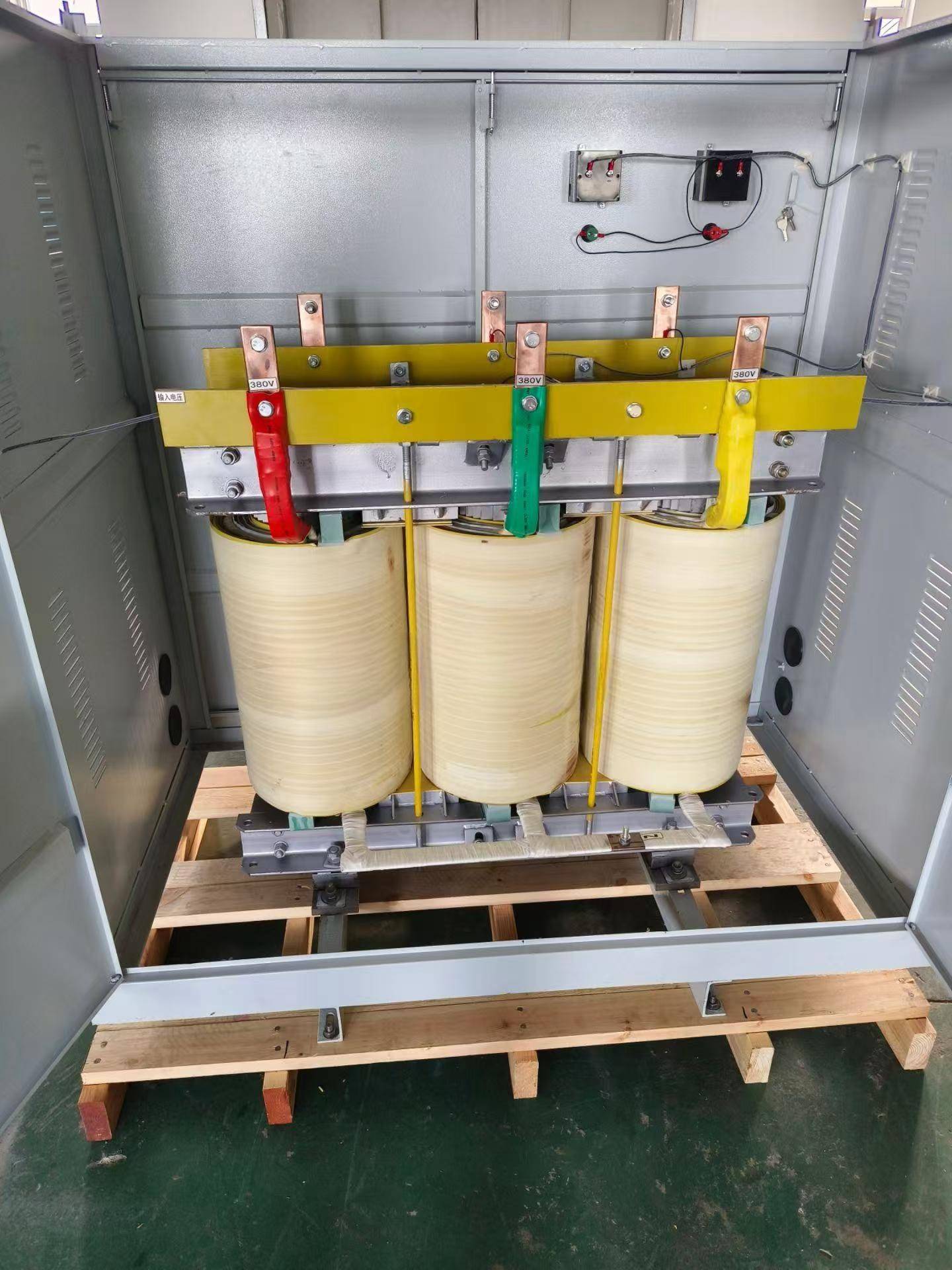
Winding Faults:
- Turn-to-Turn Short Circuits: Occurs when adjacent turns in the winding come into contact due to insulation failure, leading to localized overheating and potential damage.
- Phase-to-Phase Faults: These occur when there is an unintended electrical connection between two phases in the windings, causing excessive current flow and possible transformer failure.
- Ground Faults: A fault where a winding comes into contact with the transformer's core or tank, resulting in a short circuit to ground.
-
Core Faults:
- Core Saturation: Excessive magnetic flux density can lead to core saturation, increasing iron losses (hysteresis and eddy current losses) and reducing efficiency.
- Core Insulation Failure: Deterioration of insulation between laminations may cause circulating currents within the core, leading to overheating and energy losses.
-
Insulation Degradation:
- Oil Degradation: Over time, transformer oil can degrade due to oxidation, moisture ingress, or contamination, reducing its dielectric strength and cooling properties.
- Solid Insulation Aging: Paper or pressboard insulation around windings can deteriorate due to thermal aging, mechanical stress, or chemical reactions, compromising the transformer's reliability.
-
Cooling System Failures:
- Oil Pump Failures: In oil-immersed transformers, pump malfunctions can disrupt oil circulation, leading to inadequate cooling and overheating.
- Fan Failures: Forced air cooling systems rely on fans; their failure can result in elevated temperatures and reduced transformer capacity.
- Radiators Clogging: Blockages in radiators or cooling ducts can impede heat dissipation, causing temperature rise and potential thermal runaway.
-
Tap Changer Faults:
- On-Load Tap Changer (OLTC) Issues: Problems such as contact wear, misalignment, or arcing during operation can lead to voltage instability and equipment damage.
- Off-Circuit Tap Changer Problems: Incorrect settings or mechanical failures in off-circuit tap changers can result in improper voltage regulation.
-
Overheating:
- Overloading, poor ventilation, or insufficient cooling can cause excessive temperature rise, accelerating insulation degradation and reducing the transformer's lifespan.
-
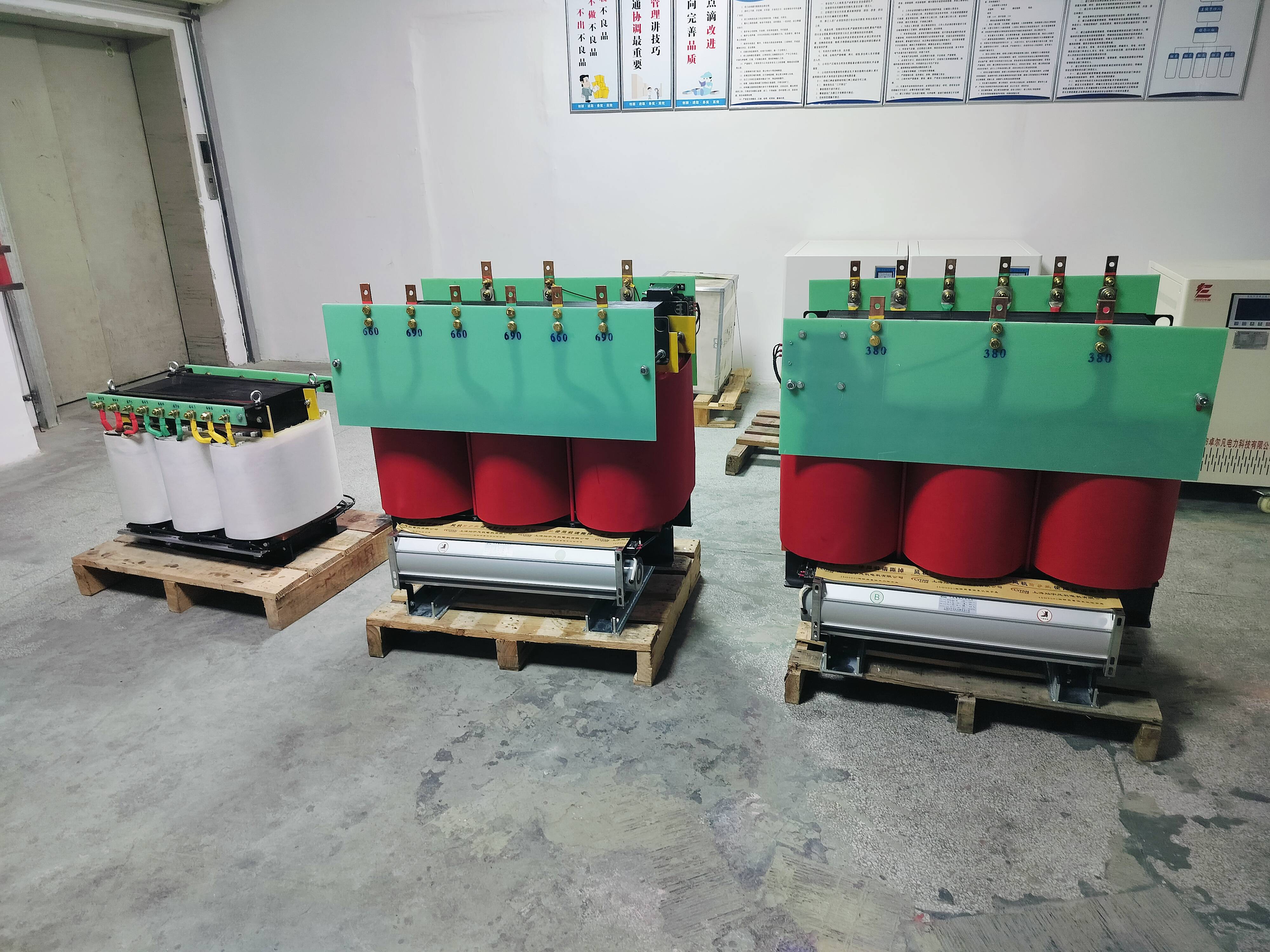
External Faults:
- Lightning Strikes: High-voltage surges caused by lightning can damage the transformer's insulation and windings.
- Switching Surges: Transient overvoltages during switching operations can stress the insulation system, leading to partial discharge or breakdown.
- System Faults: External short circuits or unbalanced loads can impose mechanical and thermal stresses on the transformer.
-
Mechanical Failures:
- Vibration and Loosening: Prolonged operation under mechanical stress or vibration can cause components like windings, bushings, or brackets to loosen, leading to operational issues.
- Tank Deformation: Internal faults or external forces may cause deformation of the transformer tank, affecting its structural integrity and cooling performance.
-
Partial Discharge:
- Partial discharge occurs in voids or defects within the insulation system, leading to progressive degradation of the insulation material and eventual failure if left unaddressed.
Previous
Detailed Explanation of Transformer Operation Knowledge
Read More
Next
Transformer Capacity and Rated Current Calculation
Read More


