Transformers are indispensable devices in power systems, widely used for voltage conversion, energy transmission, and circuit isolation. However, during actual operation, transformers generate certain energy losses due to physical properties and material limitations. These losses not only affect the overall efficiency of the system but can also lead to equipment heating and increased operating costs. Therefore, understanding the types of transformer losses and their calculation methods is essential for optimizing design, selecting appropriate equipment, and achieving energy-efficient operations.
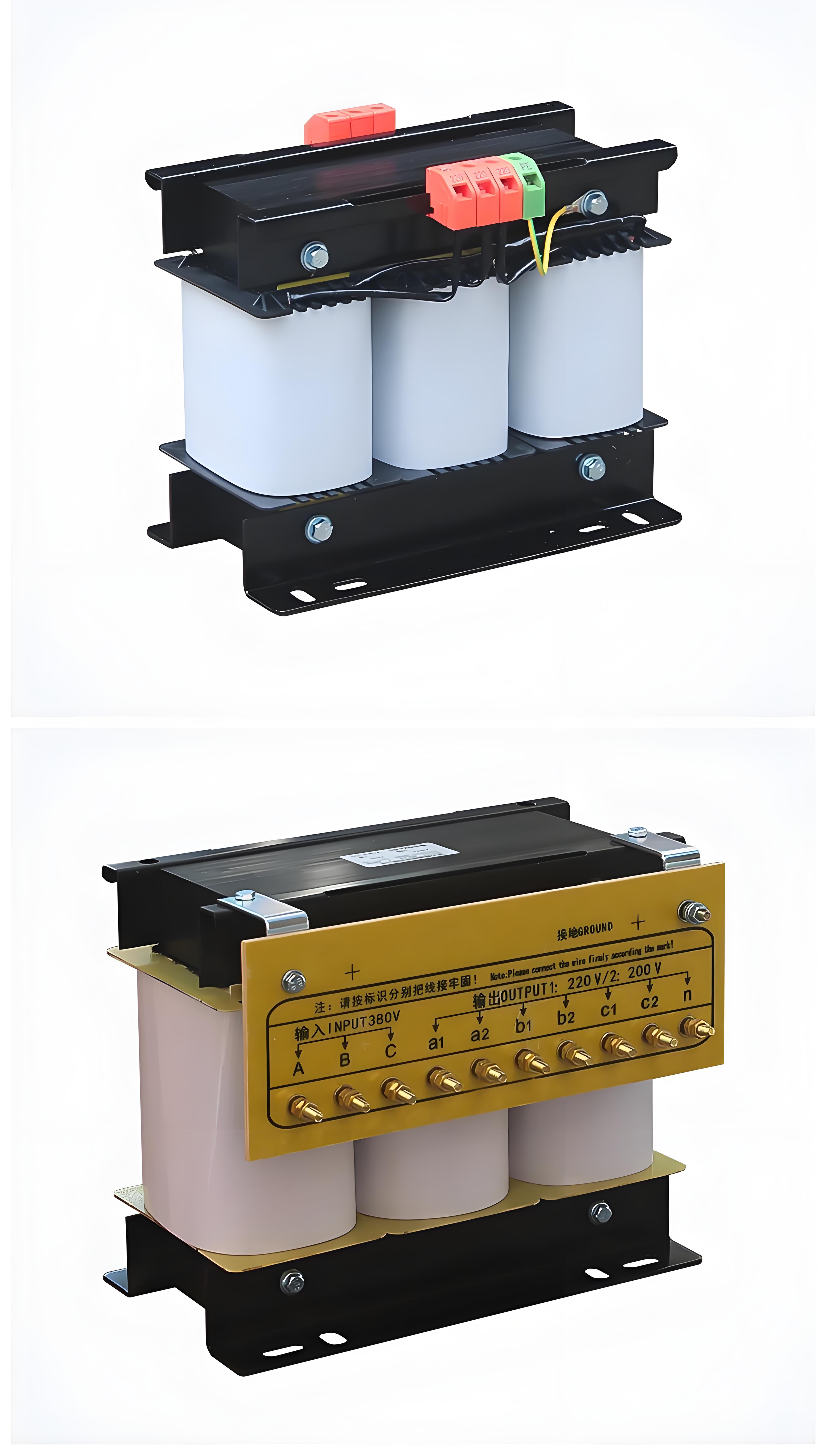
Transformer losses are mainly divided into two categories: copper loss (load loss) and iron loss (no-load loss).
Copper loss refers to the power dissipated in the windings due to resistance when current flows through them. It is proportional to the square of the load current and is a variable loss.
Iron loss, also known as core loss, occurs even when the transformer is energized without a load. It results from hysteresis and eddy current effects in the magnetic core and is considered a constant loss.
The copper loss is calculated using the following formula:
Where:
To improve accuracy, especially under different temperatures, standard test data (e.g., resistance at 75°C) can be used.
Iron loss is generally obtained from no-load tests or estimated using empirical formulas:
Where:
Manufacturers often provide iron loss curves or tables based on specific core materials for engineering reference.
The total loss of a transformer is the sum of copper and iron losses:
Transformer efficiency is defined as the ratio of output power to input power, expressed as a percentage:
Alternatively:
Where:
High efficiency means less waste during energy conversion, contributing to energy conservation, emission reduction, and cost savings.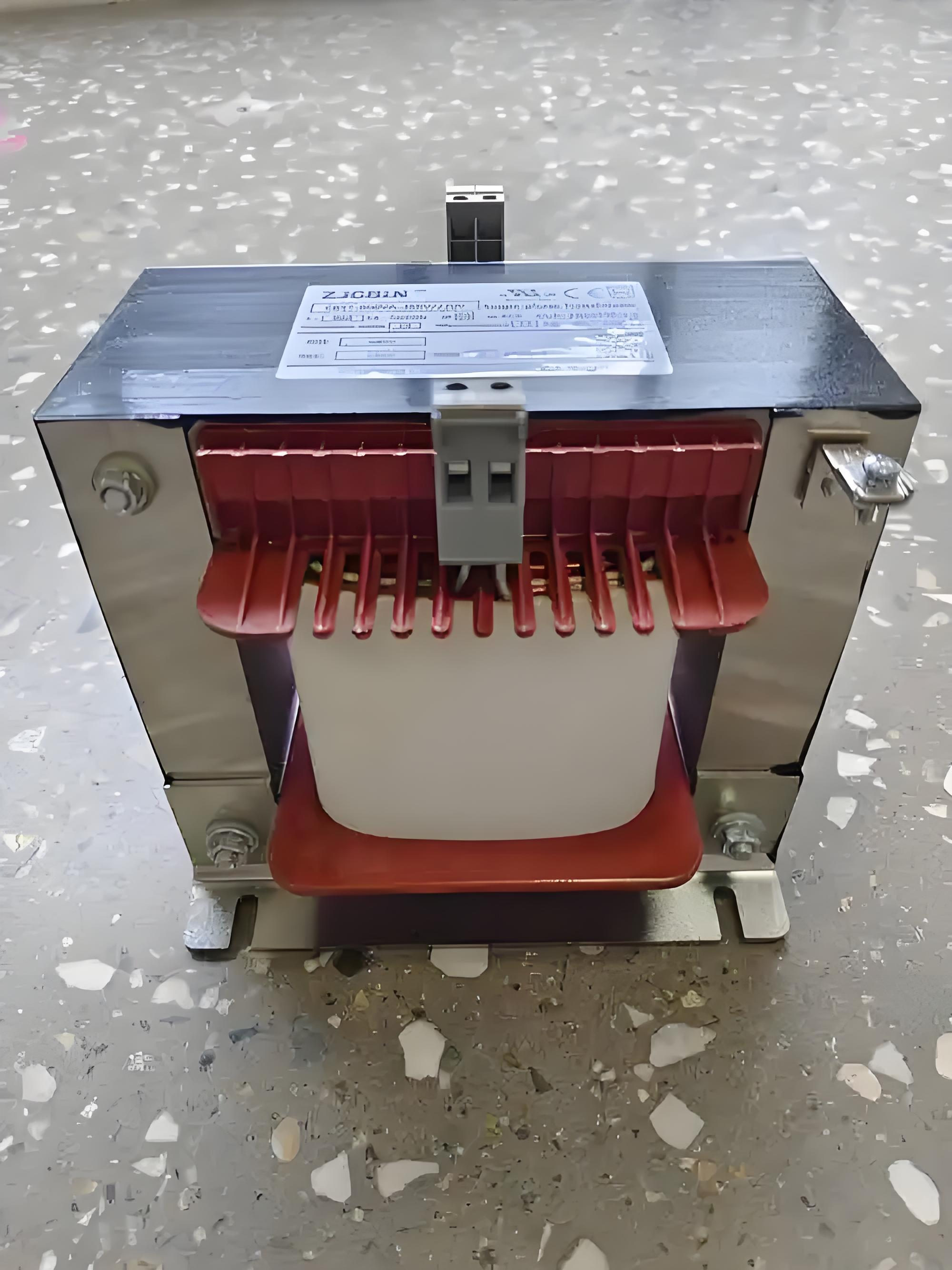
Suppose a single-phase transformer has a rated capacity of 10 kVA, with a primary voltage of 220V and a secondary voltage of 110V. The winding resistance is 0.5Ω, and the no-load loss is 100W. When the load is 8 kW (with a power factor of 0.8), calculate the copper loss, total loss, and efficiency.
Transformer losses mainly include copper loss and iron loss, which are related to load current and core characteristics, respectively. Accurately calculating these losses helps assess the operating status of the transformer and provides a basis for energy-saving upgrades and equipment selection. By improving efficiency and reducing losses, energy consumption and operational costs can be effectively reduced, promoting green and sustainable power development.


