Transformers are one of the most critical components in modern electrical power systems. They are widely used for voltage conversion, impedance matching, electrical isolation, and energy transmission. This comprehensive guide provides a detailed explanation of various types of transformers, their working principles, structural components, applications, and key selection criteria.
1. What is a Transformer?
A transformer is an electrical device that transfers electrical energy between two or more circuits through electromagnetic induction. It is used to increase or decrease the voltage levels in alternating current (AC) systems without changing the frequency.
2. Basic Working Principle
The fundamental principle behind a transformer is Faraday’s Law of Electromagnetic Induction, which states that a changing magnetic field induces an electromotive force (EMF) in a nearby conductor.
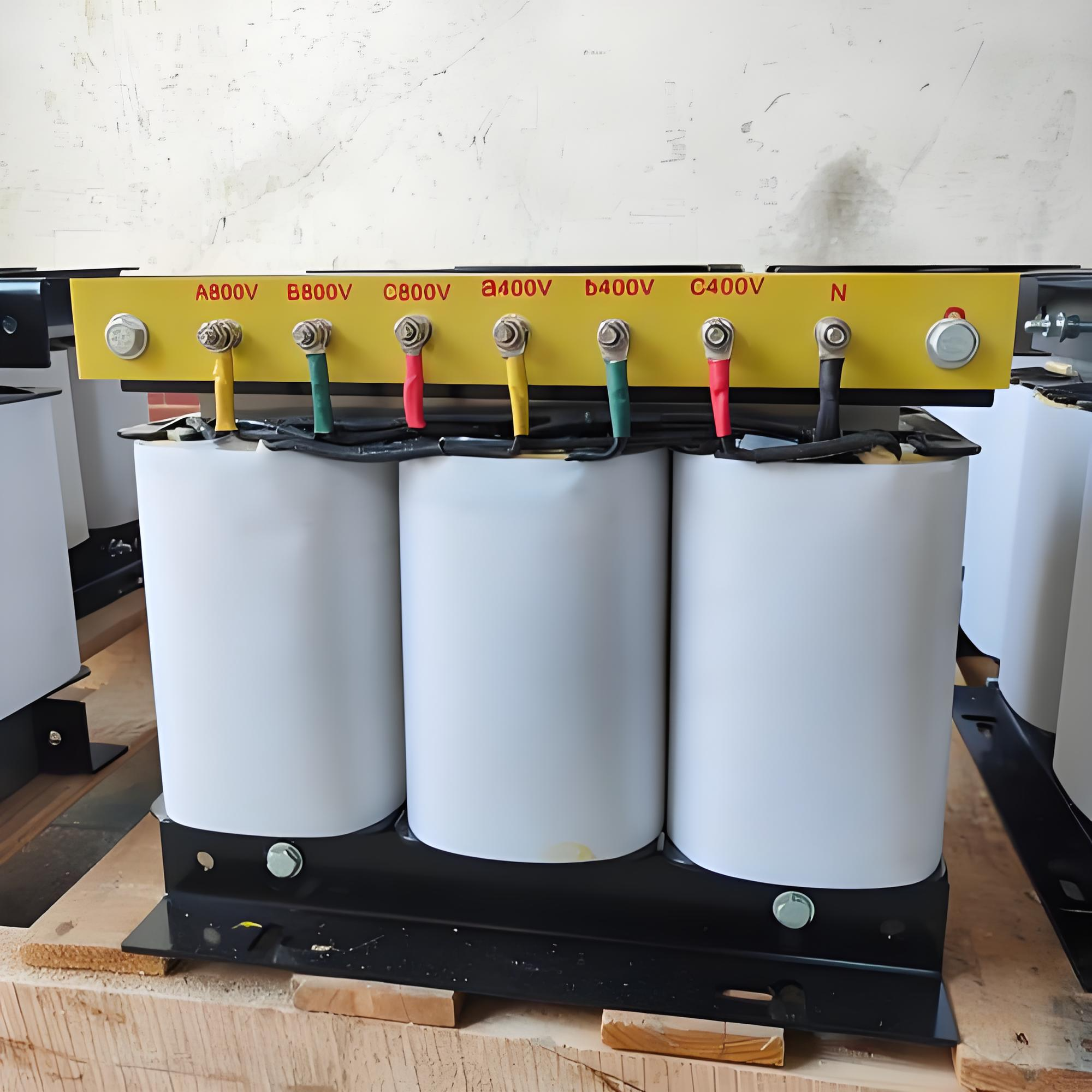
A basic transformer consists of:
- Primary winding – receives the input voltage.
- Secondary winding – delivers the output voltage.
- Core – provides a path for the magnetic flux.
When an alternating current (AC) flows through the primary winding, it generates a varying magnetic flux in the core. This varying flux induces a voltage in the secondary winding, which is proportional to the number of turns in the windings.
The voltage transformation ratio is given by:
V2V1=N2N1
Where:
- V1: Primary voltage
- V2: Secondary voltage
- N1: Number of turns in primary winding
- N2: Number of turns in secondary winding
3. Types of Transformers
3.1 Based on Voltage Level
- Step-up Transformer: Increases the voltage from primary to secondary (more turns on secondary).
- Step-down Transformer: Decreases the voltage from primary to secondary (more turns on primary).
3.2 Based on Construction
- Core-type Transformer: Windings surround the core.
- Shell-type Transformer: Core surrounds the windings.
3.3 Based on Cooling Method
- Dry-type Transformer: Air-cooled, no liquid used.
- Oil-immersed Transformer: Uses mineral oil for cooling and insulation.
3.4 Based on Application
- Power Transformer: Used in transmission networks for high voltage applications.
- Distribution Transformer: Used in distribution networks for lower voltage levels.
- Instrument Transformer:
- Current Transformer (CT): Measures high currents.
- Voltage Transformer (VT or PT): Measures high voltages.
- Autotransformer: Single winding used for both primary and secondary.
- Isolation Transformer: Provides electrical isolation between circuits.
- Welding Transformer: Supplies high current at low voltage for welding.
- Phase-shifting Transformer: Used in grid control to manage power flow.
4. Key Components of a Transformer
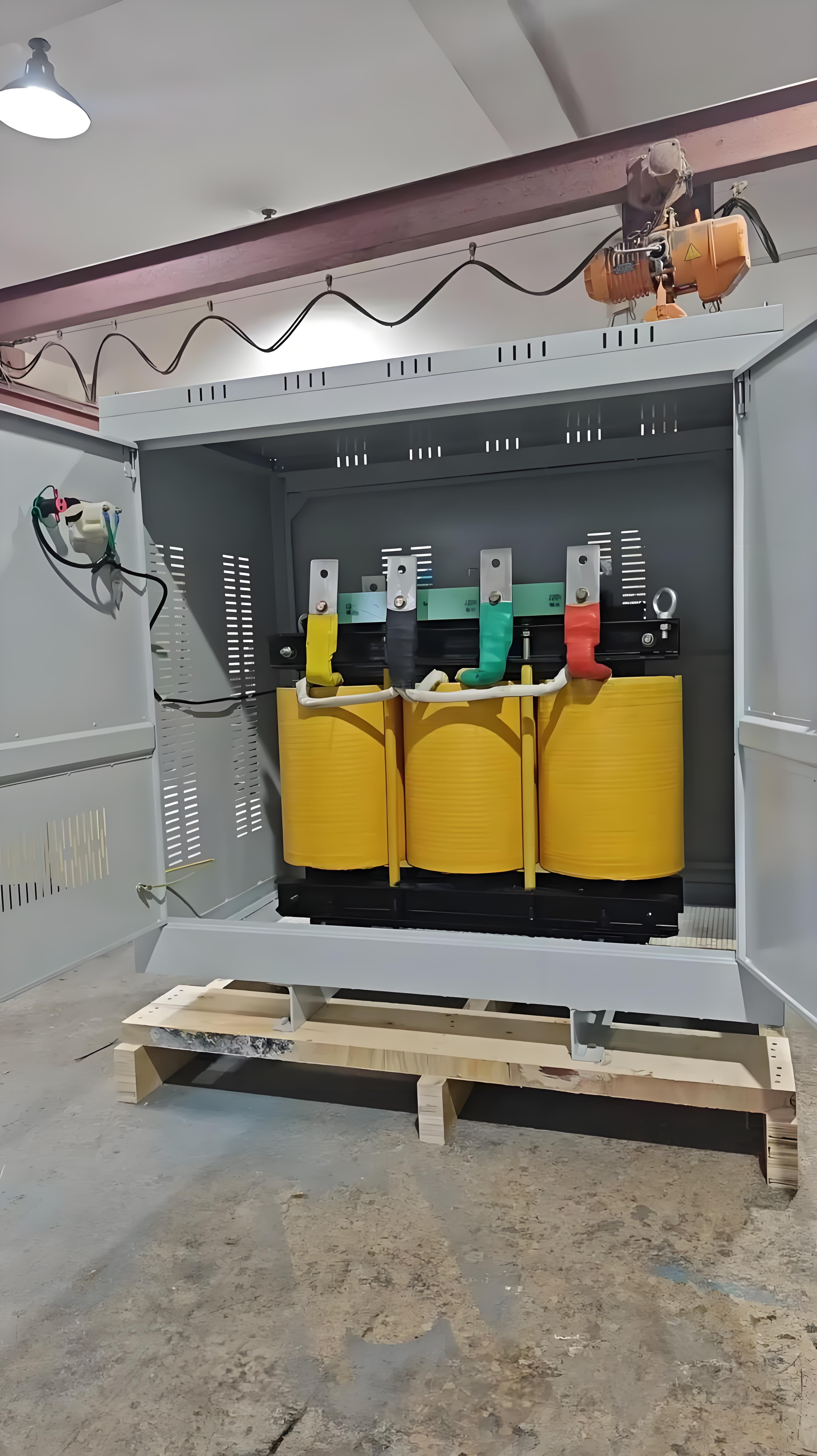
- Core – Made of laminated silicon steel to reduce eddy current losses.
- Windings – Conductive coils (usually copper or aluminum) wound around the core.
- Insulation – Prevents short circuits between windings and core.
- Cooling System – May include radiators, fans, or oil cooling depending on the type.
- Bushings – Provide safe connection points for external circuits.
- Tank and Conservator (Oil-type only) – Contains the core and windings, and allows for oil expansion.
5. Transformer Ratings and Specifications
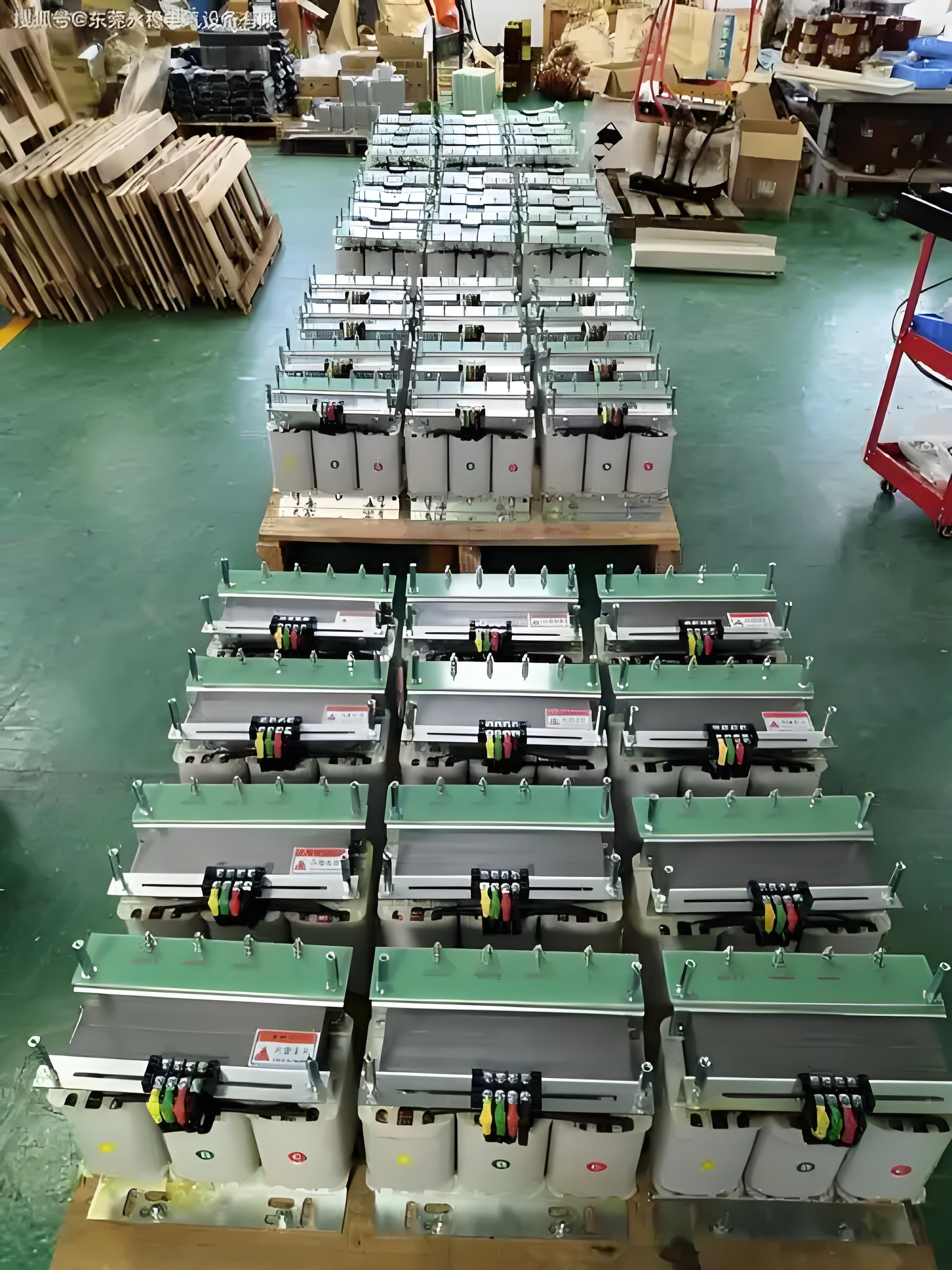
Transformers are typically rated based on:
- Apparent Power (kVA or MVA)
- Primary and Secondary Voltage Levels
- Frequency (e.g., 50 Hz or 60 Hz)
- Phase (Single-phase or Three-phase)
- Cooling Class (e.g., ONAN, ONAF, OFAF)
- Impedance (in percentage)
- Efficiency
- Short-circuit withstand capability
6. Transformer Losses
There are two main types of losses in transformers:
6.1 Core Losses (Iron Losses)
- Hysteresis Loss: Due to the reversal of magnetization in the core.
- Eddy Current Loss: Caused by circulating currents in the core material.
6.2 Copper Losses (I²R Losses)
- Occur due to resistance in the windings.
- Vary with the square of the load current.
7. Transformer Efficiency
Efficiency (η) is defined as the ratio of output power to input power:
η=Input PowerOutput Power×100%
or
η=Output Power + LossesOutput Power×100%
Efficiency is maximum when copper losses equal core losses.
8. Transformer Connections (Three-phase)
Three-phase transformers can be connected in various configurations:
| Connection Type |
Primary |
Secondary |
Common Use |
| Star-Star (Y-Y) |
Y |
Y |
Long-distance transmission |
| Delta-Delta (Δ-Δ) |
Δ |
Δ |
Industrial applications |
| Star-Delta (Y-Δ) |
Y |
Δ |
Step-down distribution |
| Delta-Star (Δ-Y) |
Δ |
Y |
Step-up distribution, neutral grounding |
9. Transformer Protection
To ensure safe and reliable operation, transformers are protected by various devices and systems:
- Overcurrent Relays
- Differential Protection
- Buchholz Relay (Oil-immersed transformers)
- Temperature Monitoring
- Pressure Relief Valves
- Lightning Arresters
10. Applications of Transformers
- Power Generation: Step-up transformers at generating stations.
- Transmission: High-voltage transformers for long-distance power transfer.
- Distribution: Step-down transformers for residential and commercial use.
- Industrial: Control transformers, furnace transformers, welding transformers.
- Electronics: Small transformers in power supplies, audio equipment, etc.
11. Transformer Maintenance
Regular maintenance is essential to extend the life and ensure the reliability of transformers:
- Visual Inspection
- Oil Testing (for oil-immersed transformers)
- Insulation Resistance Testing
- Temperature Monitoring
- Cleaning and Lubrication
- Bushings and Tap Changer Inspection
12. How to Choose the Right Transformer
When selecting a transformer, consider the following factors:
- Voltage and Current Ratings
- Power Capacity (kVA or MVA)
- Frequency and Phase
- Cooling Method
- Environmental Conditions
- Installation Location (Indoor/Outdoor)
- Protection Requirements
- Efficiency and Losses
- Compliance with Standards (e.g., IEC, IEEE, ANSI)
Conclusion
Transformers are indispensable in modern electrical systems. Understanding the different types, working principles, construction, and applications helps in selecting the right transformer for a specific purpose. Proper maintenance and protection ensure long life and reliable operation. Whether it's for power generation, transmission, distribution, or specialized industrial applications, choosing the correct transformer is crucial for the overall performance and safety of the electrical system.


