Transformers are one of the most fundamental and widely used devices in electrical engineering. They play a critical role in power generation, transmission, distribution, and utilization. This comprehensive guide provides a detailed explanation of transformer types, working principles, construction, applications, protection, and selection criteria.
A transformer is a static electrical device that transfers electrical energy between two or more circuits through electromagnetic induction. It is used to step up or step down AC voltage levels without changing the frequency.
Transformers are essential for efficient long-distance power transmission and safe end-user voltage delivery.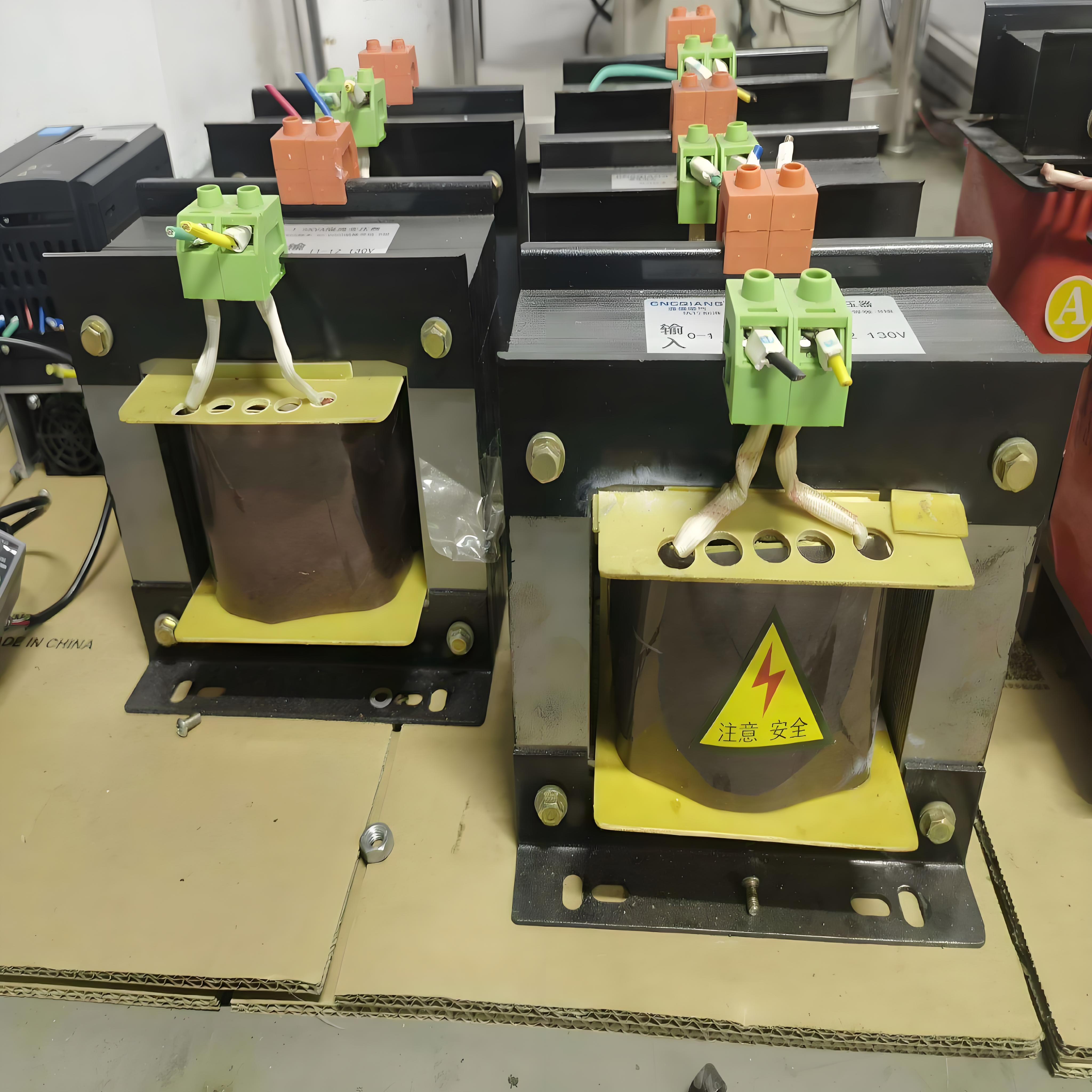
The operation of a transformer is based on Faraday’s Law of Electromagnetic Induction and mutual inductance.
When an alternating current (AC) flows through the primary winding, it creates a time-varying magnetic flux in the core. This changing magnetic flux links with the secondary winding, inducing a voltage across it.
The voltage transformation ratio is determined by the turns ratio:
Where:
If , it's a step-up transformer; if , it's a step-down transformer.
| Type | Function |
|---|---|
| Step-up Transformer | Increases voltage (used at power plants) |
| Step-down Transformer | Decreases voltage (used in distribution) |
| Type | Description |
|---|---|
| Core-type | Windings surround the core; easier to repair |
| Shell-type | Core surrounds windings; better mechanical strength and lower leakage flux |
| Type | Cooling Medium |
|---|---|
| ONAN (Oil Natural, Air Natural) | Natural oil and air convection |
| ONAF (Oil Natural, Air Forced) | Fans assist air cooling |
| OFAF (Oil Forced, Air Forced) | Pumps and fans for forced oil and air flow |
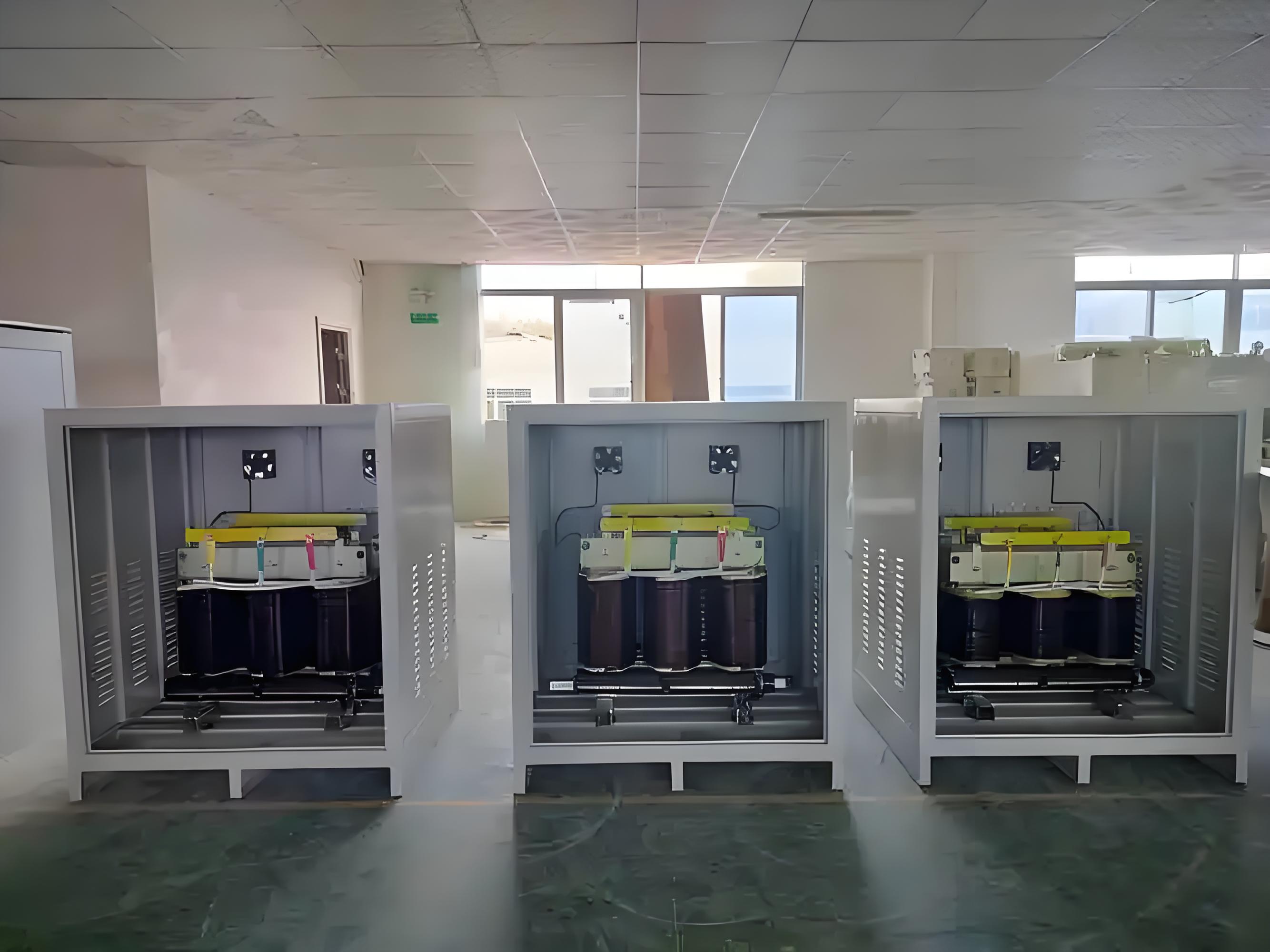
| Dry-type (AN/AF) | Air-cooled, no oil; safe for indoor use |
| Type | Purpose |
|---|---|
| Power Transformer | High-voltage transmission (e.g., 110kV+) |
| Distribution Transformer | Medium/low-voltage distribution (e.g., 11kV/400V) |
| Instrument Transformer | Measures high voltage/current |
| - Current Transformer (CT) | Steps down current for metering/protection |
| - Voltage Transformer (VT/PT) | Steps down voltage for measurement |
| Autotransformer | Single winding; used for voltage regulation and motor starting |
| Isolation Transformer | Provides galvanic isolation; enhances safety |
| Welding Transformer | Delivers high current at low voltage |
| Furnace Transformer | Supplies power to electric arc furnaces |
| Phase-shifting Transformer | Controls power flow in grid networks |
Three-phase transformers can be connected in various configurations:
| Connection | Primary | Secondary | Applications |
|---|---|---|---|
| Y-Y | Star | Star | Rare due to harmonic issues |
| Δ-Δ | Delta | Delta | Industrial loads, fault-tolerant |
| Y-Δ | Star | Delta | Step-down substations |
| Δ-Y | Delta | Star | Step-up substations, provides neutral |
Note: Δ-Y and Y-Δ connections introduce a 30° phase shift, which is important for parallel operation.
Efficiency is calculated as:
Maximum efficiency occurs when copper losses = iron losses.
To ensure safety and reliability, transformers are equipped with protection systems:
When specifying or ordering a transformer, the following parameters are essential:
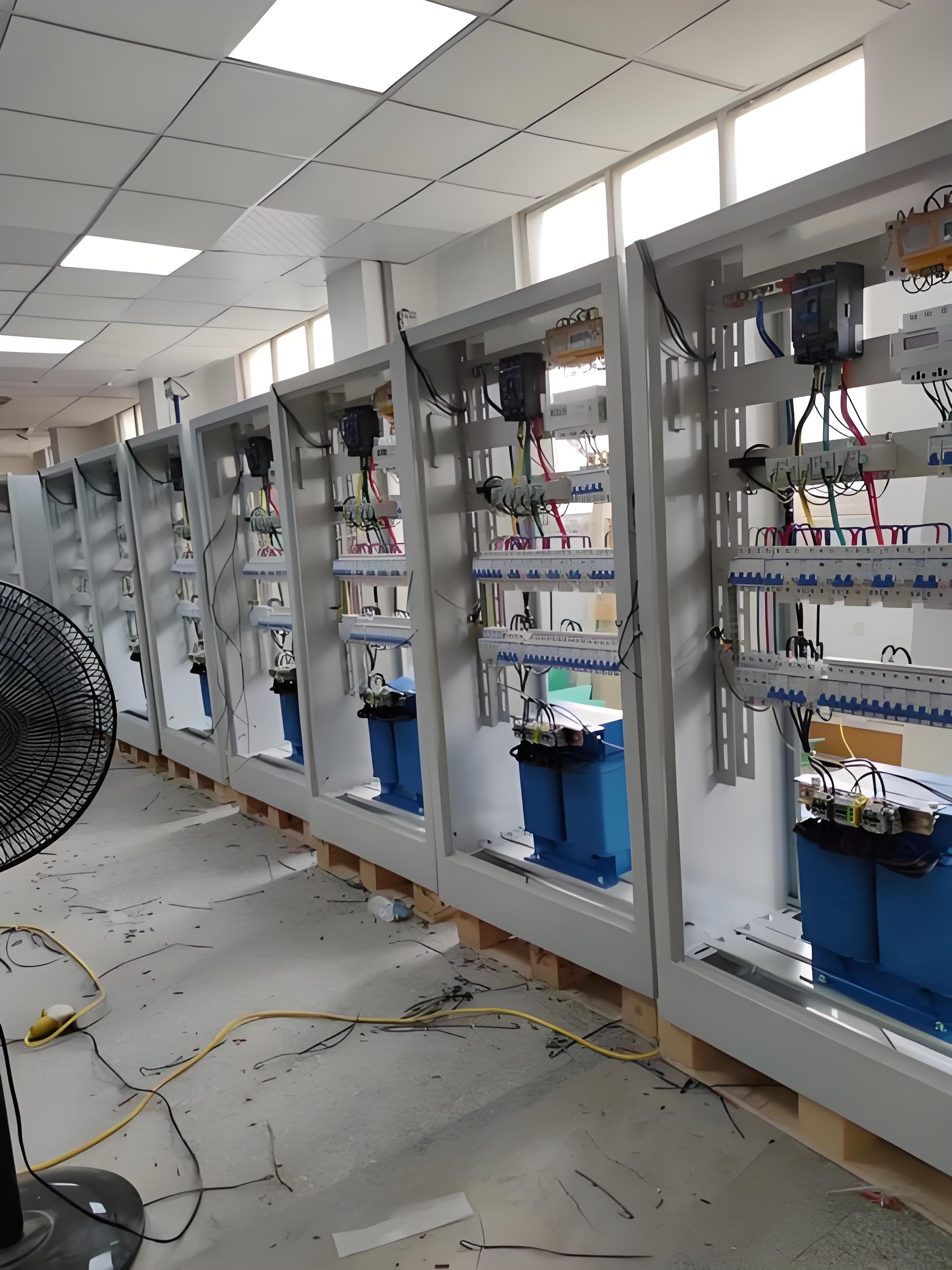
| Sector | Application |
|---|---|
| Power Generation | Step-up transformers at power stations |
| Transmission | High-voltage transformers (66kV, 132kV, etc.) |
| Distribution | Pole-mounted or pad-mounted transformers |
| Industry | Drive transformers, control transformers |
| Commercial | Building power distribution |
| Railway | Traction transformers |
| Renewables | Solar and wind farm interconnection transformers |
| Marine & Offshore | Shipboard and platform power systems |
Regular maintenance ensures long life and reliability:
Consider the following factors:
Transformers are the backbone of modern electrical systems. A thorough understanding of their construction, working principles, types, and applications is essential for engineers, technicians, and project planners. Whether in power plants, industrial facilities, or everyday buildings, the right transformer ensures efficient, safe, and reliable power delivery.
With advancements in materials and design, modern transformers are more efficient, compact, and intelligent than ever—many now include digital monitoring, IoT integration, and predictive maintenance capabilities.


