In modern power systems, transformers are indispensable devices used for voltage conversion, electrical isolation, and energy transmission. Depending on the type of input and output power supply, transformers can be broadly classified into single-phase transformers and three-phase transformers. Understanding the differences between these two types and their suitable application scenarios is crucial for effective system design and operation.
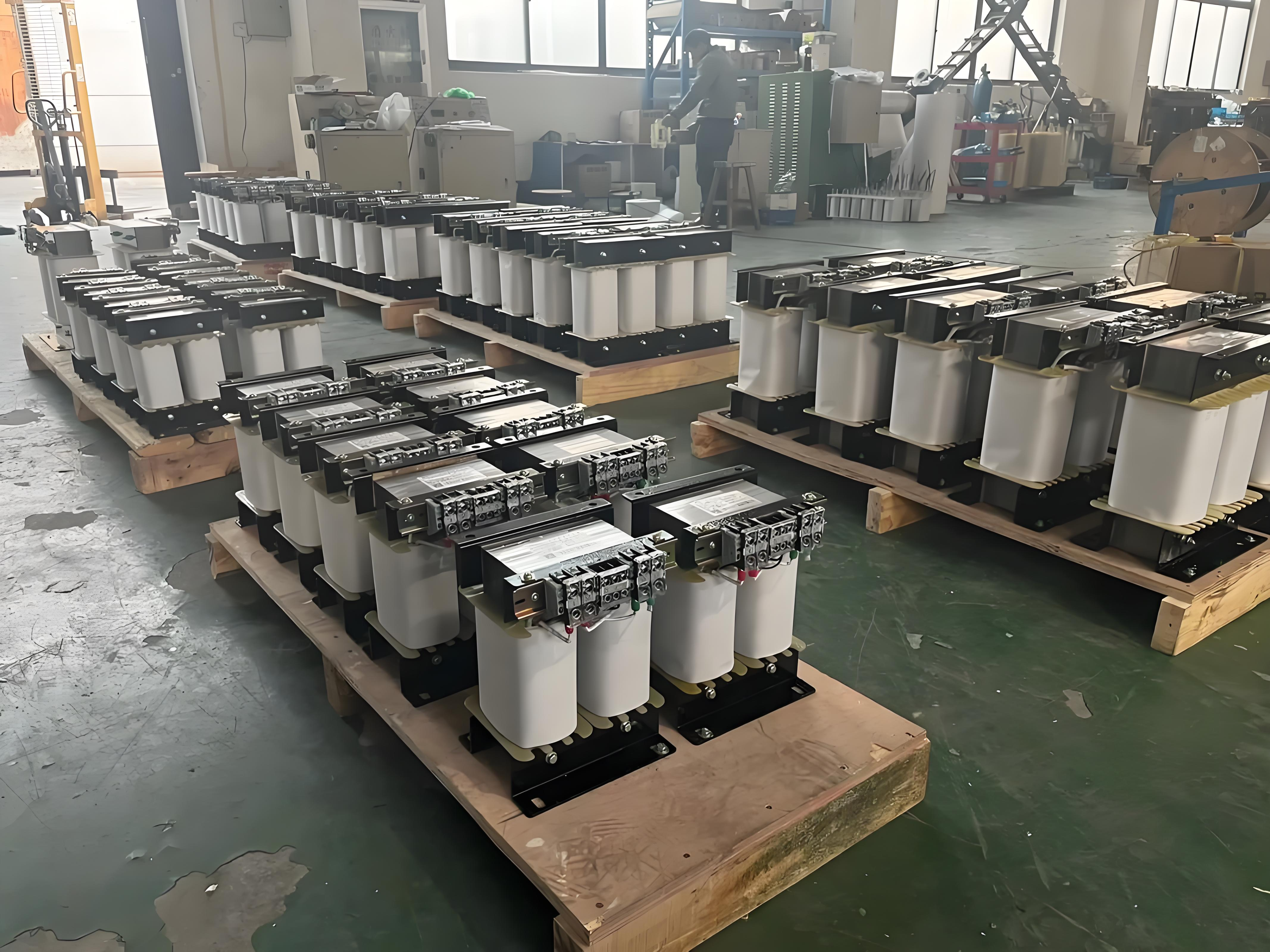
1. Basic Concepts
1.1 Single-Phase Transformer
A single-phase transformer operates within a single-phase AC power system, transferring energy through one alternating voltage waveform. It's typically used in low-power applications such as residential power distribution, small appliances, lighting circuits, and elevator control systems where continuous power supply isn't critical.
1.2 Three-Phase Transformer
A three-phase transformer, on the other hand, operates in a three-phase AC power system, transferring energy through three alternating voltage waveforms that are 120 degrees out of phase with each other. This configuration provides a more stable and efficient means of power transmission, making it ideal for industrial and commercial applications requiring high power loads.
2. Structural Differences
2.1 Core Design
- Single-Phase Transformer: Generally uses either a core-type or shell-type structure with windings wrapped around the core limbs.
- Three-Phase Transformer: Typically features a more complex core design to accommodate three sets of windings, often arranged in a delta or wye configuration.
2.2 Winding Arrangement
- Single-Phase Transformer: Contains one set of primary and secondary windings.
- Three-Phase Transformer: Includes three sets of primary and secondary windings, corresponding to each phase.
3. Performance and Efficiency
3.1 Power Transmission Efficiency
- Single-Phase Transformer: Due to its simpler design, it's less efficient at transmitting power over long distances compared to three-phase transformers.
- Three-Phase Transformer: Offers higher efficiency and better stability, especially when dealing with large power loads and long-distance transmission.
3.2 Voltage Regulation
- Single-Phase Transformer: May experience greater voltage drops under load conditions.
- Three-Phase Transformer: Provides more consistent voltage regulation due to balanced load distribution across three phases.
4. Application Scenarios
4.1 Single-Phase Transformers
- Residential Use: Commonly used in homes for stepping down voltages from the grid to levels suitable for household appliances (e.g., 220V or 110V).
- Small Commercial Applications: Found in shops, offices, and smaller industrial settings where power requirements are moderate.
- Lighting Systems: Utilized in street lighting and commercial building lighting setups.
4.2 Three-Phase Transformers
- Industrial Applications: Ideal for factories, manufacturing plants, and large-scale commercial buildings where heavy machinery and equipment require substantial power.
- Power Distribution Networks: Used in substation transformers to step down high-voltage electricity from the transmission grid to lower voltages suitable for local distribution.
- Electric Vehicle Charging Stations: As demand grows for electric vehicles, three-phase transformers play a key role in providing the necessary charging infrastructure.
5. Advantages and Limitations
5.1 Single-Phase Transformer
Advantages:
- Simpler construction and lower cost.
- Easier installation and maintenance.
- Suitable for low to medium power applications.
Limitations:
- Not suitable for high-power or highly efficient power transmission.
- Less stable than three-phase systems.
- Higher losses over long-distance transmission.
5.2 Three-Phase Transformer
Advantages:
- Higher efficiency and better stability.
- More balanced power distribution.
- Suitable for high-power and industrial applications.
Limitations:
- More complex design and higher initial cost.
- Requires professional installation and maintenance.
Conclusion
Choosing between a single-phase transformer and a three-phase transformer largely depends on the specific requirements of the application. For low-power domestic and small commercial needs, single-phase transformers offer an economical solution. In contrast, for industrial and commercial settings demanding high reliability and efficiency, three-phase transformers are essential.
As technology advances, we're seeing innovations in both types of transformers aimed at improving performance, reducing costs, and enhancing environmental sustainability. Whether you're designing a new power system or upgrading existing infrastructure, understanding the distinctions between single-phase and three-phase transformers will help guide your decision-making process.


