Introduction
As we navigate through 2026, the global energy landscape is undergoing a seismic shift. The exponential growth of Artificial Intelligence (AI) data centers, coupled with the aggressive integration of renewable energy sources, has placed unprecedented stress on traditional power infrastructure. The conventional iron-core transformer, a stalwart of the grid for over a century, is increasingly struggling to meet the dynamic demands of high-density computing and bidirectional energy flows.
Enter the Solid-State Transformer (SST) and advanced Amorphous Core Technologies. No longer confined to laboratory prototypes, these innovations have become the cornerstone of modern grid architecture in 2026, offering efficiency, controllability, and a significantly reduced carbon footprint.
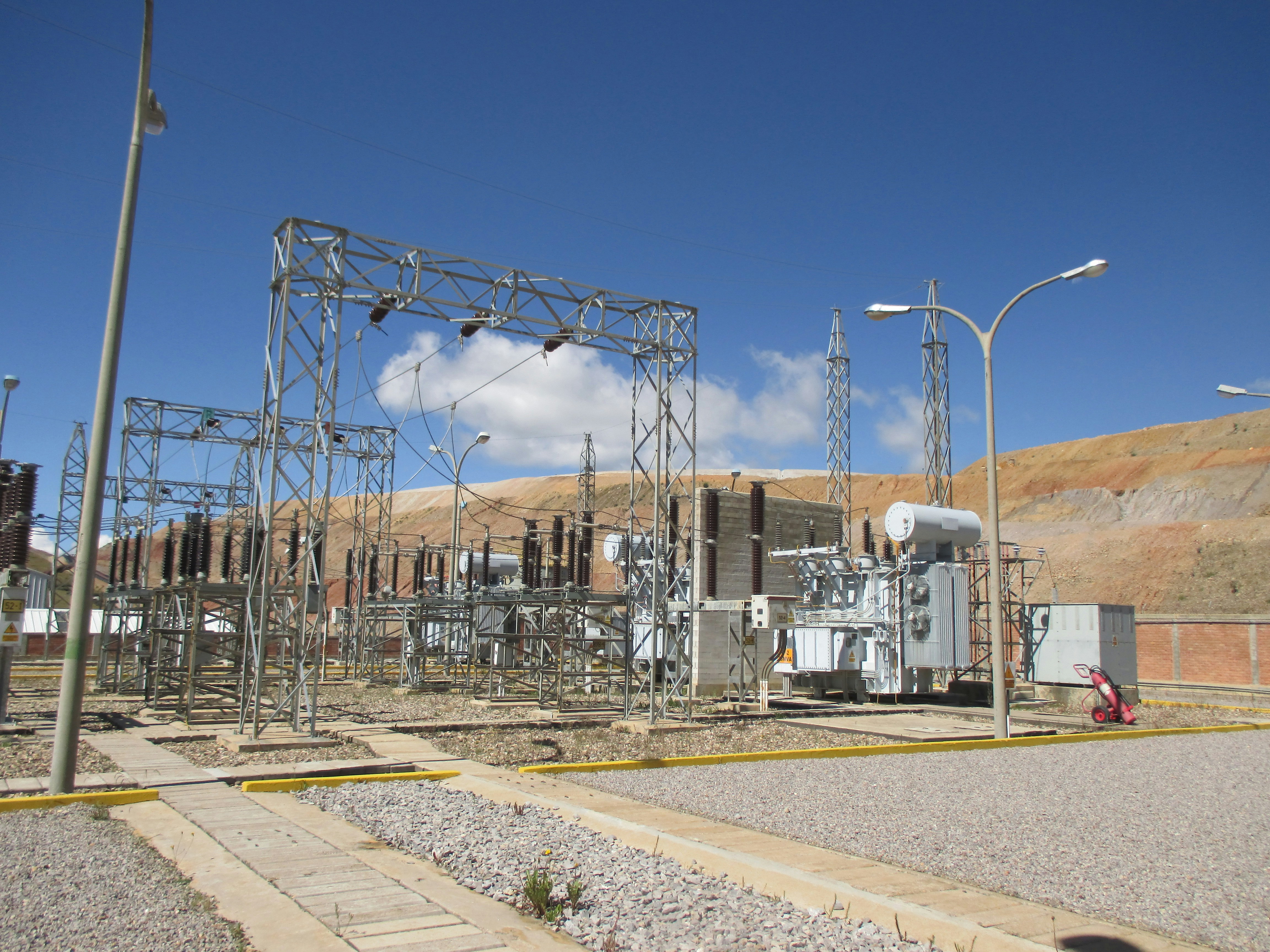
The Catalyst: AI’s Insatiable Appetite for Power
The primary driver accelerating transformer innovation is the AI boom. Modern AI training clusters now operate at rack densities exceeding 100kW, a stark contrast to the 4-6kW racks of the previous decade. Traditional linear power supplies and bulky line-frequency transformers cannot efficiently handle the rapid load fluctuations characteristic of GPU-intensive workloads.
Furthermore, the industry-wide shift toward 800V DC architectures in hyperscale data centers requires power conversion systems that are not only efficient but also compact. Legacy transformers simply occupy too much valuable floor space and lack the granular control needed for optimal energy management.
The Rise of Solid-State Transformers (SST)
In 2026, the Solid-State Transformer has transitioned from an emerging concept to a commercial imperative. Unlike conventional transformers that rely solely on electromagnetic induction, SSTs utilize wide-bandgap semiconductors (such as Silicon Carbide - SiC and Gallium Nitride - GaN) to perform power conversion at high frequencies.
Key Advantages Driving Adoption:
- Unmatched Efficiency: By operating at higher switching frequencies, SSTs reduce core and copper losses significantly. Recent deployments report efficiency ratings surpassing 98.5%, a critical metric when dealing with gigawatt-scale data centers where even a 1% loss represents massive operational costs and heat generation.
- Power Quality & Control: SSTs act as active power routers. They can dynamically regulate voltage, correct power factor, and mitigate harmonics in real-time. This capability is vital for stabilizing grids heavily loaded with intermittent renewable sources like solar and wind.
- Form Factor Reduction: The elimination of heavy oil tanks and massive iron cores allows SSTs to be 40-50% smaller and lighter than their conventional counterparts. This modularity enables "plug-and-play" scalability for expanding data centers.
- DC Integration: SSTs naturally interface with DC microgrids, eliminating the need for multiple AC-DC conversion stages, thereby streamlining the power path from the grid directly to AI servers.
The Evolution of Traditional Cores: Amorphous Metals
While SSTs capture the spotlight for high-tech applications, traditional transformer technology has not stood still. The push for sustainability has accelerated the adoption of Amorphous Metal Cores.
In 2026, regulatory standards in North America and Europe have tightened, mandating lower no-load losses. Amorphous metals, with their disordered atomic structure, exhibit magnetic hysteresis losses up to 70% lower than traditional grain-oriented silicon steel. For distribution transformers that remain energized 24/7 but often run at partial load, this material shift is proving to be the most cost-effective method for reducing global carbon emissions.
AI Meets Hardware: Predictive Maintenance
Ironically, the very technology straining the grid—AI—is also saving it. The new generation of "Smart Transformers" is equipped with IoT sensors and edge computing capabilities.
- Real-Time Health Monitoring: Sensors track temperature, vibration, dissolved gas levels (in oil-filled units), and load currents continuously.
- Predictive Analytics: Machine learning algorithms analyze this data to predict failures weeks before they occur. Instead of reactive repairs after a blackout, utilities can now schedule maintenance during off-peak hours.
- Digital Twins: Grid operators utilize digital twins of transformer networks to simulate stress scenarios, optimizing load distribution and extending asset lifespan.
Challenges and the Road Ahead
Despite the progress, challenges remain. The initial capital expenditure (CAPEX) for SSTs is still higher than conventional units, though the Total Cost of Ownership (TCO) is becoming favorable due to energy savings and space optimization. Additionally, the supply chain for high-purity amorphous ribbons and SiC modules is racing to keep up with demand.
Standardization is also a key focus for 2026. Industry bodies are finalizing protocols to ensure interoperability between SSTs from different manufacturers and legacy grid components.
Conclusion
The transformer of 2026 is no longer a passive piece of iron and copper; it is an intelligent, active node in a complex energy ecosystem. As we move further into the decade, the synergy between Solid-State Technology, Advanced Materials, and Artificial Intelligence will define the resilience and sustainability of our power grids.
For engineers, utility providers, and tech leaders, the message is clear: adapting to this new paradigm is not just an option—it is a necessity for powering the future.


