I. Introduction
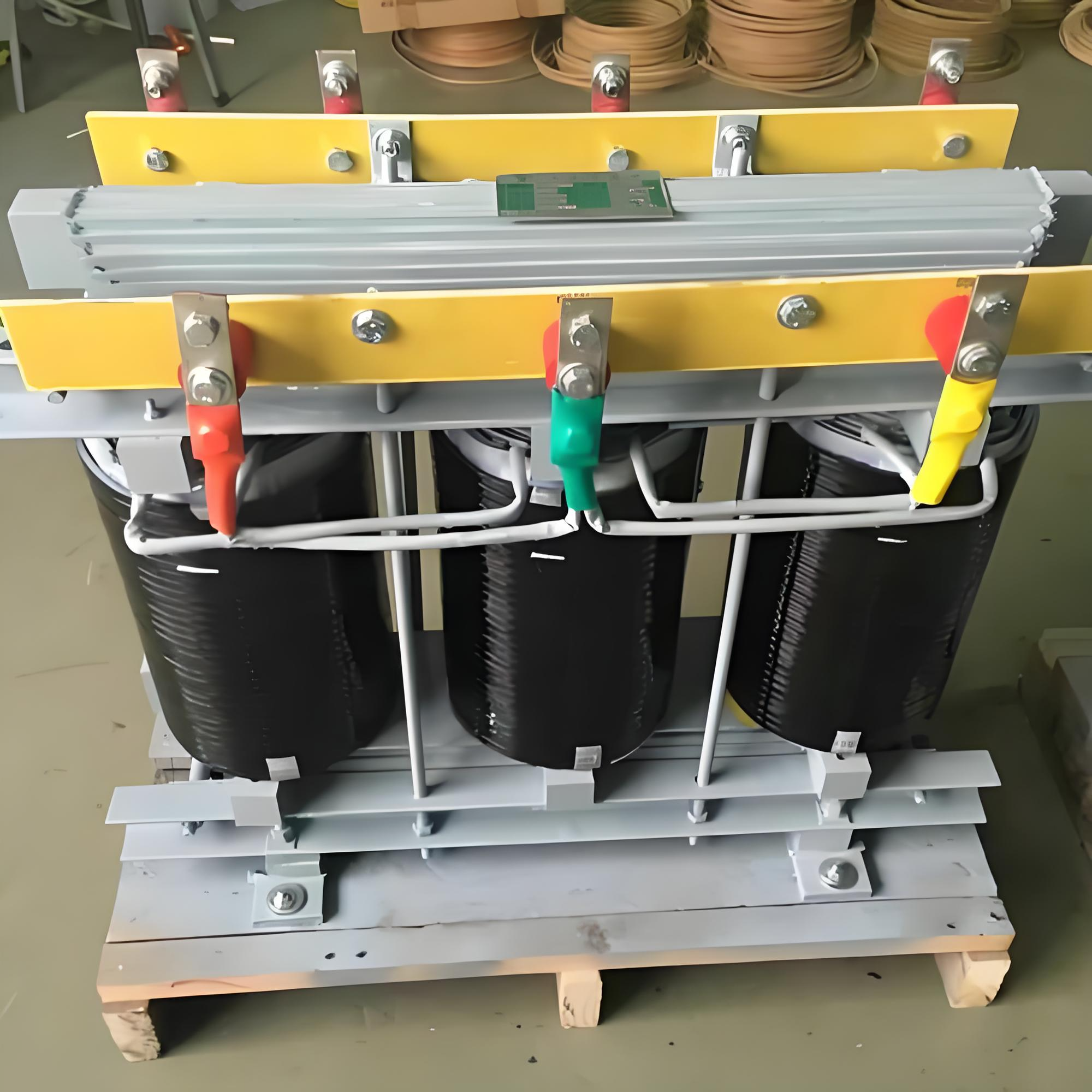
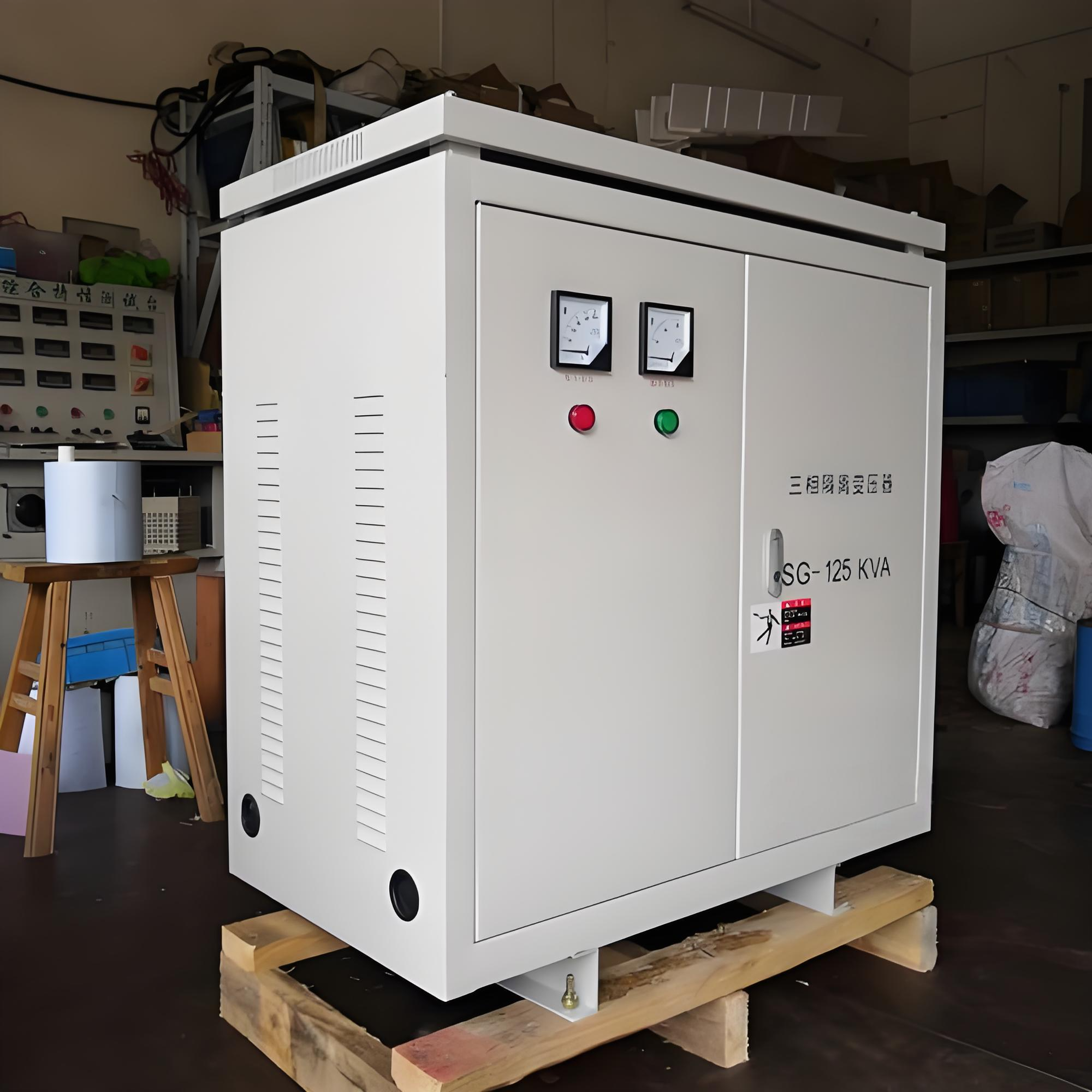
Transformers are among the most critical components in power systems, widely used in transmission and distribution networks. Their operational condition directly affects grid stability and power quality. During long-term operation, transformers may experience various abnormal conditions due to design flaws, manufacturing defects, environmental factors, or improper operation. In severe cases, these abnormalities can lead to equipment damage or even fires. Therefore, understanding how to identify and handle common transformer anomalies is essential for ensuring the safe and stable operation of power systems.
II. Common Transformer Anomalies and Diagnosis Methods
-
Abnormal Sounds
- Symptoms: Buzzing, cracking, or metallic impact sounds during operation.
- Possible Causes:
- Increased buzzing: Overload or loose core;
- Cracking sound: Internal insulation breakdown or partial discharge;
- Metallic impact: Loose mechanical parts or excessive vibration.
-
Temperature Rise
- Symptoms: Oil or winding temperature exceeds specified limits.
- Possible Causes:
- High load;
- Cooling system failure (e.g., fan or oil pump malfunction);
- Internal short circuit or poor contact.
-
Oil Level Anomalies
- Symptoms: Oil level too high or too low.
- Possible Causes:
- High oil level: Excessive oil filling or temperature rise;
- Low oil level: Oil leakage, aging, or temperature drop.
-
Gas Relay Operation
- Symptoms: Light gas alarm or heavy gas trip.
- Possible Causes:
- Light gas: Small amount of internal gas generation, possibly due to oil leakage, moisture, or minor discharge;
- Heavy gas: Large gas release, indicating serious internal faults such as short circuits or insulation degradation.
-
Visual Abnormalities
- Symptoms: Deformed casing, oil spraying, smoke, or unusual odor.
- Possible Causes:
- Internal short circuit or explosion;
- Insulation aging or moisture ingress;
- Overheating leading to combustion.
-
Voltage Fluctuations or Output Anomalies
- Symptoms: Unstable output voltage or three-phase imbalance.
- Possible Causes:
- Poor tap changer contact;
- Inter-turn short circuits in windings;
- Sudden load changes.
III. Transformer Accident Handling Procedures
-
Immediate Power Disconnection
- When serious abnormalities occur (e.g., heavy gas trip, smoking, oil spraying), quickly disconnect both high- and low-voltage side switches to prevent further damage.
-
Check Protective Device Actions
- Review relay protection actions, record types and times for analysis.
-
Initial On-site Inspection
- Check for visible damage, oil leakage, or burn marks;
- Measure winding insulation resistance and DC resistance;
- Verify cooling system functionality.
-
Oil Sampling and Chromatographic Analysis
- Conduct dielectric strength test and moisture content analysis;
- Perform gas chromatography to detect internal discharges, overheating, or short circuits.
-
Fault Diagnosis and Root Cause Analysis
- Determine fault type based on test results (e.g., inter-turn short, core grounding, insulation degradation);
- Consider core lifting or factory repair if necessary.
-
Develop and Implement Repair Plan
- Replace damaged components (e.g., bushings, tap changers);
- Rewind or replace windings;
- Clean oil passages and replace old oil.
-
Pre-commissioning Testing
- Conduct insulation tests, no-load tests, and short-circuit tests after repairs;
- Only return to service after passing all tests.
IV. Preventive Measures Against Transformer Accidents
-
Strengthen Daily Inspection and Maintenance
- Regularly monitor temperature, noise, and oil level;
- Clean dust from surfaces;
- Check terminal connections.
-
Perform Periodic Preventive Tests
- Include insulation resistance testing, dielectric loss testing, and DC resistance testing.
-
Improve Protection Configuration
- Equip with differential protection, overcurrent protection, and gas protection.
-
Optimize Operational Management
- Control load fluctuations to avoid frequent overloads;
- Monitor motor starting currents.
-
Adopt Smart Monitoring Technologies
- Install online monitoring systems for real-time status tracking;
- Use infrared thermography for early fault detection.
-
Enhance Personnel Training
- Improve operators’ ability to identify anomalies and respond to emergencies;
- Conduct regular accident prevention drills.
V. Conclusion
As a core component of power systems, the reliability of transformers directly impacts the safety and stability of the entire grid. By promptly identifying and addressing abnormal conditions, scientifically managing accidents, and strengthening daily operations and technical safeguards, it is possible to significantly reduce the incidence of transformer failures, extend equipment life, and ensure efficient power system operation. With the development of intelligent and digital technologies, the future will see enhanced capabilities in transformer condition monitoring and fault prediction, driving power systems toward greater safety and intelligence.