Transformer phase analysis involves the study of phase relationships between the primary and secondary voltages and currents in a transformer. This analysis is critical for ensuring proper operation, synchronization, and compatibility within power systems. Below is a detailed explanation using professional electrical engineering knowledge.
The phase relationship in transformers depends on the winding configuration (e.g., star, delta, zigzag) and the connection group (vector group). Key aspects include:
Phase Shift:
The phase difference between the primary and secondary voltages, typically expressed in degrees or clock-hour notation (e.g., Yd11 indicates a 30° lag).
Symmetry and Balance:
Transformers are designed to maintain balanced phase relationships under normal operating conditions. Deviations may indicate faults or improper connections.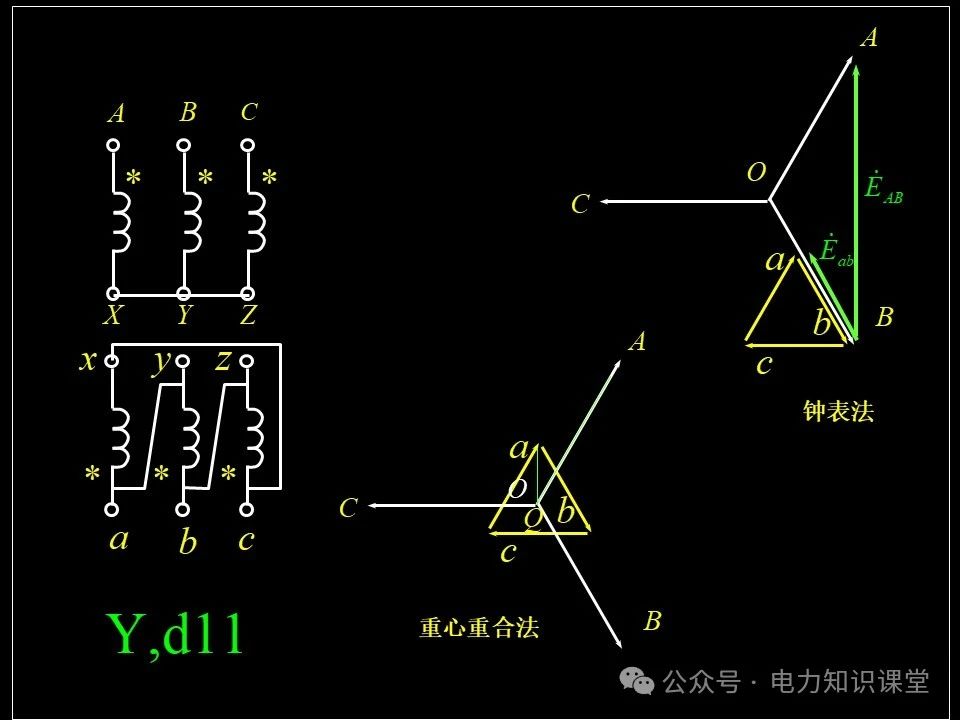
Different winding configurations influence phase relationships and system performance:
Star (Y) Connection:
Delta (D) Connection:
Zigzag (Z) Connection:
Phase analysis is essential in various scenarios:
Parallel Operation:
Transformers must have identical phase relationships (same connection group) to avoid circulating currents when operated in parallel.
Synchronization:
Proper phase alignment ensures smooth synchronization of transformers with the grid or other equipment.
Harmonic Mitigation:
Certain configurations (e.g., delta or zigzag) reduce harmonic distortion and improve power quality.
Fault Detection:
Abnormal phase relationships can indicate winding faults, open circuits, or incorrect connections.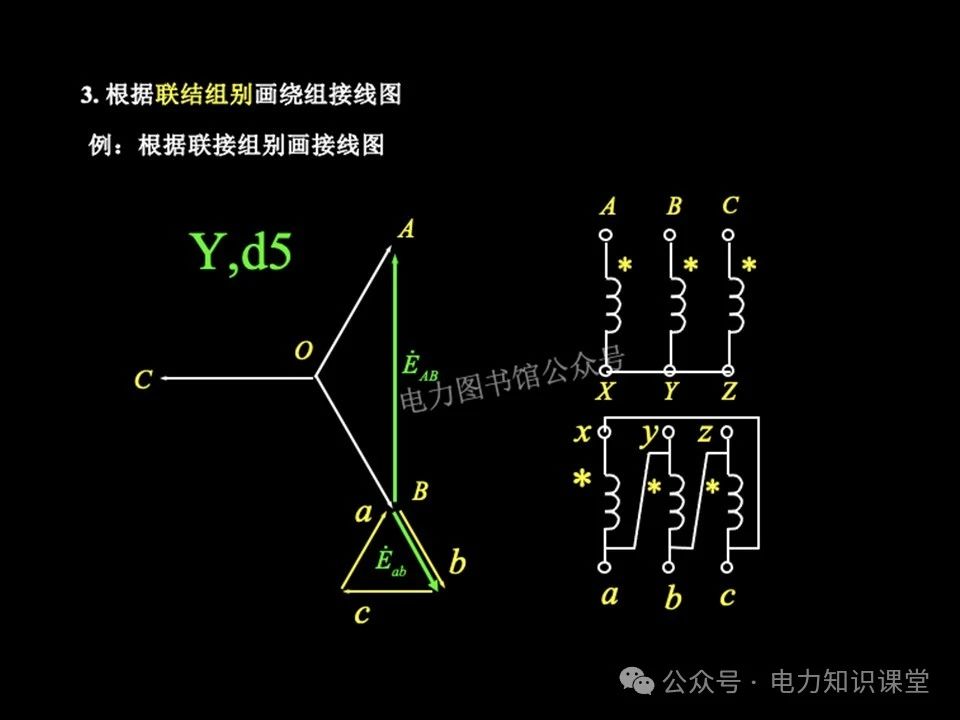
Phase analysis involves precise measurement and verification of phase angles and relationships:
Voltage and Current Phasors:
Measuring primary and secondary voltage and current phasors using instruments such as oscilloscopes, phasor measurement units (PMUs), or digital relays.
Transformer Turns Ratio Test (TTR):
Verifies the voltage ratio and indirectly confirms phase relationships.
Vector Group Testing:
Confirms the connection group by comparing phase angles between primary and secondary voltages.
Accurate phase analysis ensures:


