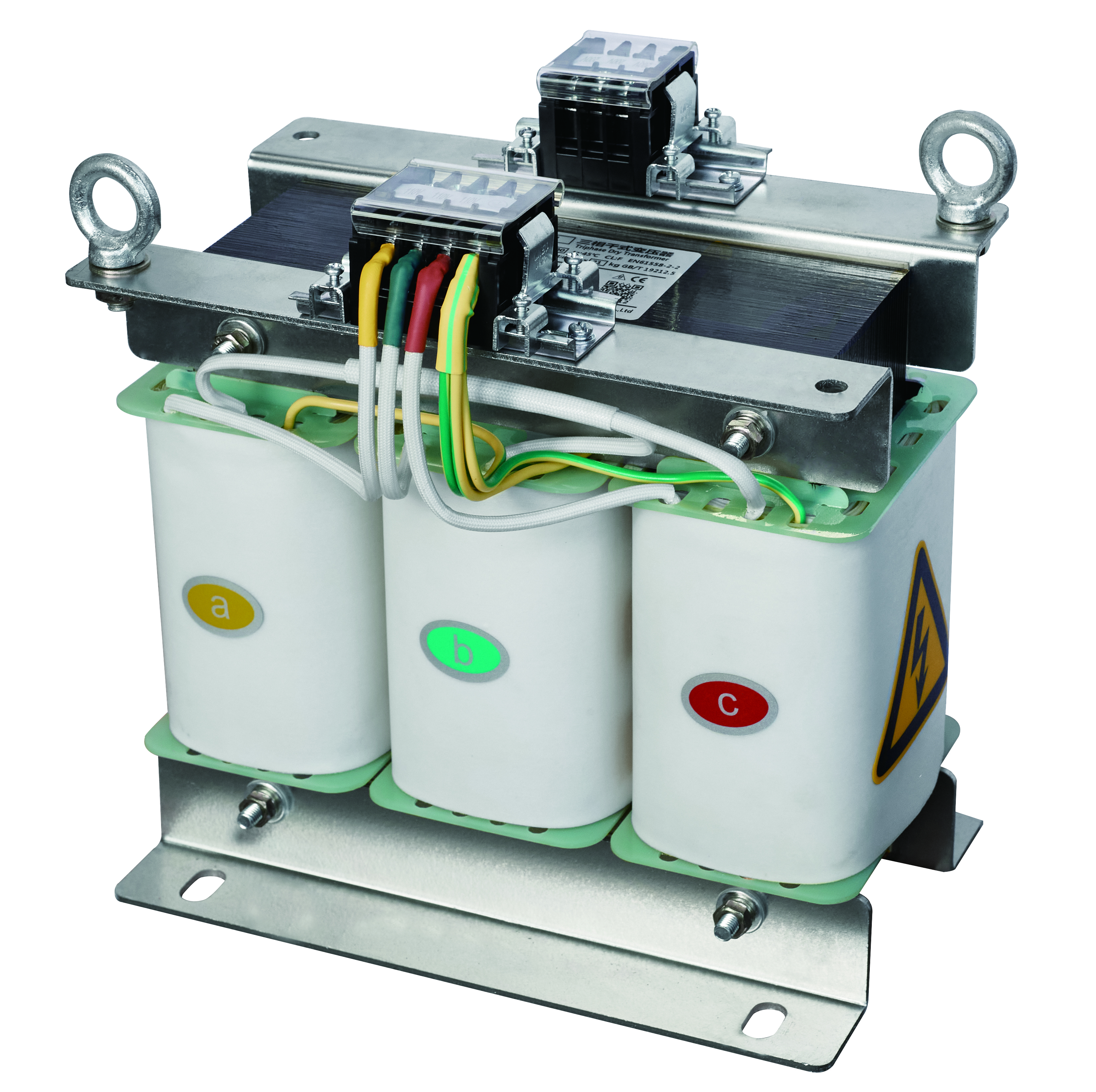
When selecting a transformer, engineers and technicians need to consider several factors to ensure efficient and safe operation. Below are the key points to keep in mind during selection:
- Rated Power and Load Requirements
The first step is to determine the transformer's rated power. Choose a transformer capacity based on actual load demands. A transformer with too small a capacity may cause overload, while one with too large a capacity wastes energy. Typically, the rated power should be 20%-30% larger than the maximum load.
- Input and Output Voltage
Ensure the input and output voltage of the transformer meet the system requirements. Choosing the right voltage range helps maintain the stability and safety of electrical equipment.
- Operating Environment and Temperature
The working environment significantly affects transformer selection. For example, in high-temperature or high-humidity environments, a transformer with protective features should be selected.
- Industry Case:
For instance, a well-known industrial automation company selected a high-efficiency transformer with short-term overload capacity for its production line. This choice boosted production efficiency and reduced maintenance costs.
- Efficiency and Energy Saving
High-efficiency transformers significantly reduce energy consumption, saving enterprises substantial energy costs over time
- .