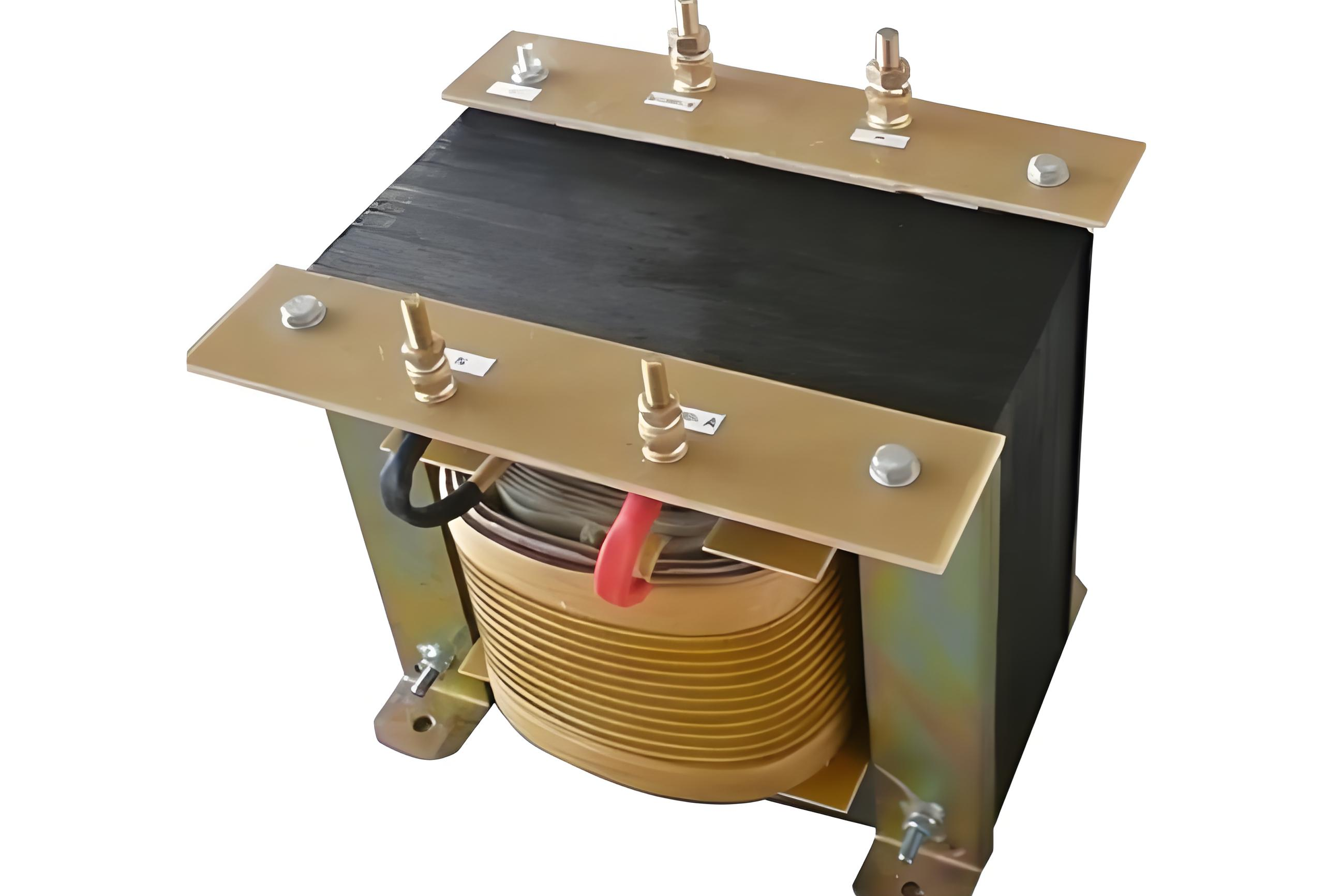
As a common electrical device, the single-phase transformer is widely used in residential, commercial, and small-scale industrial power systems. Its main functions include voltage transformation, electrical isolation, and energy transmission. To ensure reliable operation, a single-phase transformer consists of several key components, each playing a specific role.
This article provides a detailed analysis of the core components of a single-phase transformer to help readers understand its structure and working principles.
1. Core
Function:
The core serves as the magnetic path of the transformer, conducting magnetic flux and improving electromagnetic efficiency. It directly affects the magnetic performance and energy conversion efficiency.
Material and Structure:
- Material: Typically made of stacked silicon steel laminations with high magnetic permeability to reduce eddy current and hysteresis losses.
- Structural Types:
- Core Type: Windings surround the core limbs.
- Shell Type: The core surrounds the windings, offering better mechanical support.
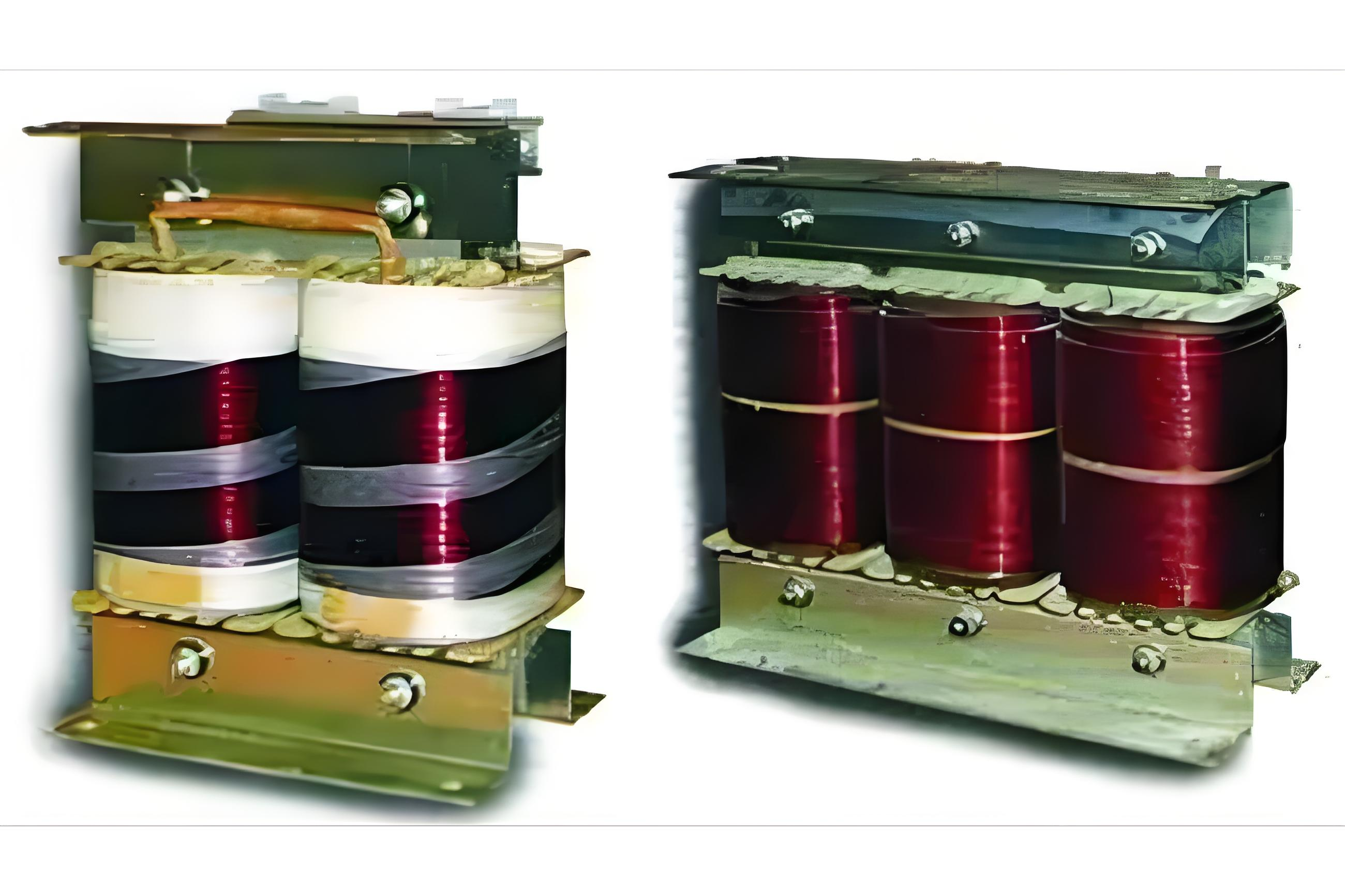
2. Windings
Function:
Windings are responsible for energy transfer through electromagnetic induction, enabling step-up or step-down voltage transformation.
Classification:
- Primary Winding: Connected to the power source and receives input voltage.
- Secondary Winding: Connected to the load and delivers transformed output voltage.
Materials and Insulation:
- Usually made of copper or aluminum wire;
- Coated with insulating varnish or wrapped in insulation paper to prevent short circuits;
- Reinforced insulation between high-voltage and low-voltage windings ensures safety.
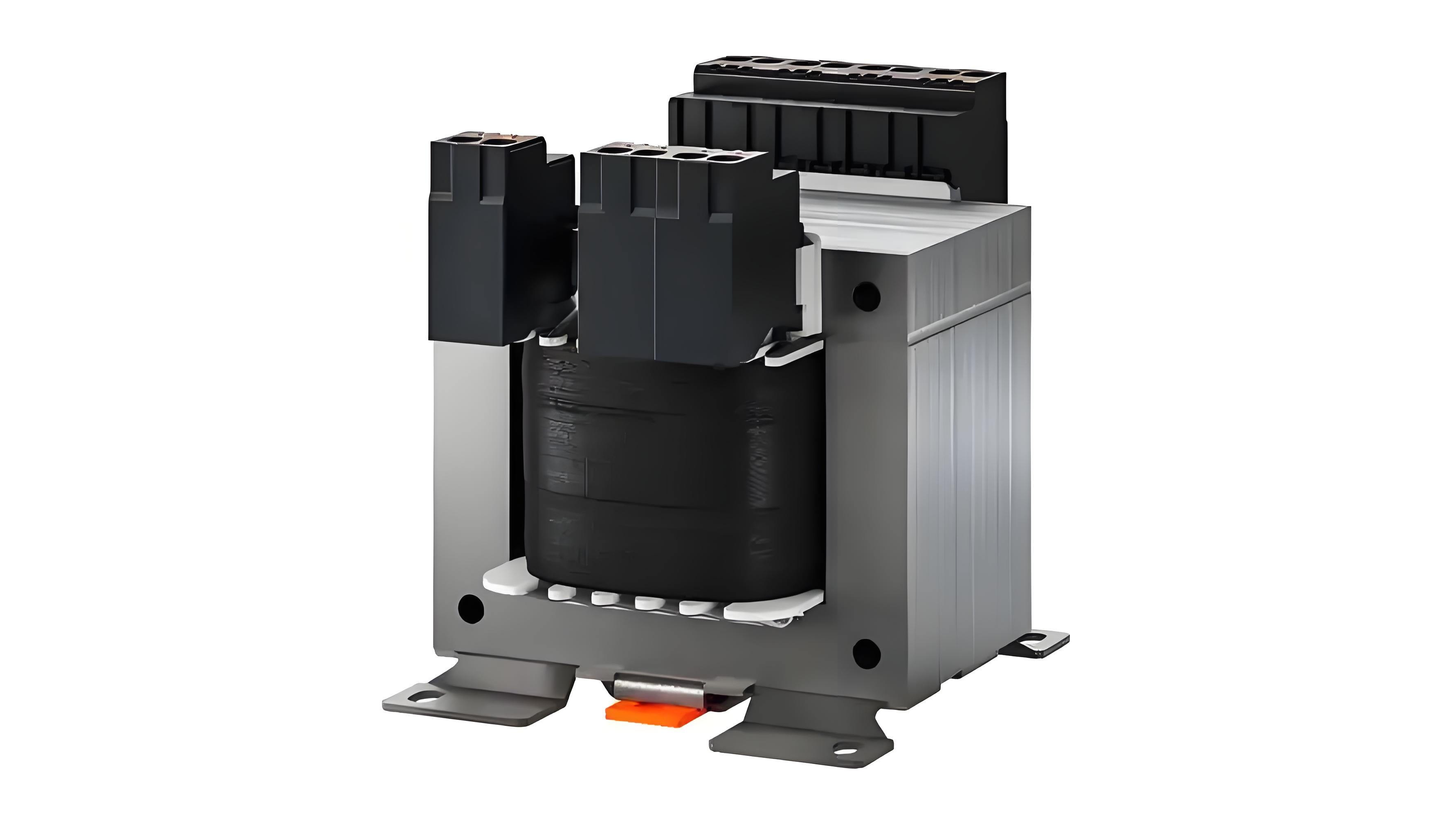
3. Insulation System
Function:
The insulation system isolates the high and low voltage windings and prevents electrical contact between windings and the core, ensuring equipment and personnel safety.
Common Insulation Materials:
- Solid Insulation: Such as pressboard, epoxy resin, and polyester film;
- Liquid Insulation: Used in oil-immersed transformers;
- Gas Insulation: Like SF6 gas, used in special applications.
4. Enclosure and Protective Structure
Function:
The enclosure protects internal components from dust, moisture, and fire hazards.
Types:
- Dry-Type Transformers: Often use metal or plastic enclosures with ventilation holes or fans.
- Oil-Immersed Transformers: Use oil tank structures equipped with breathers, pressure relief valves, and oil level indicators.
5. Cooling System
Function:
The cooling system dissipates heat generated during operation to prevent overheating that could affect performance or cause failure.
Cooling Methods:
- Natural Air Cooling (AN): Suitable for small dry-type transformers using natural convection;
- Forced Air Cooling (AF): Uses fans for enhanced heat dissipation;
- Oil Circulation Cooling: Used in oil-immersed transformers, where oil circulates to carry away heat.
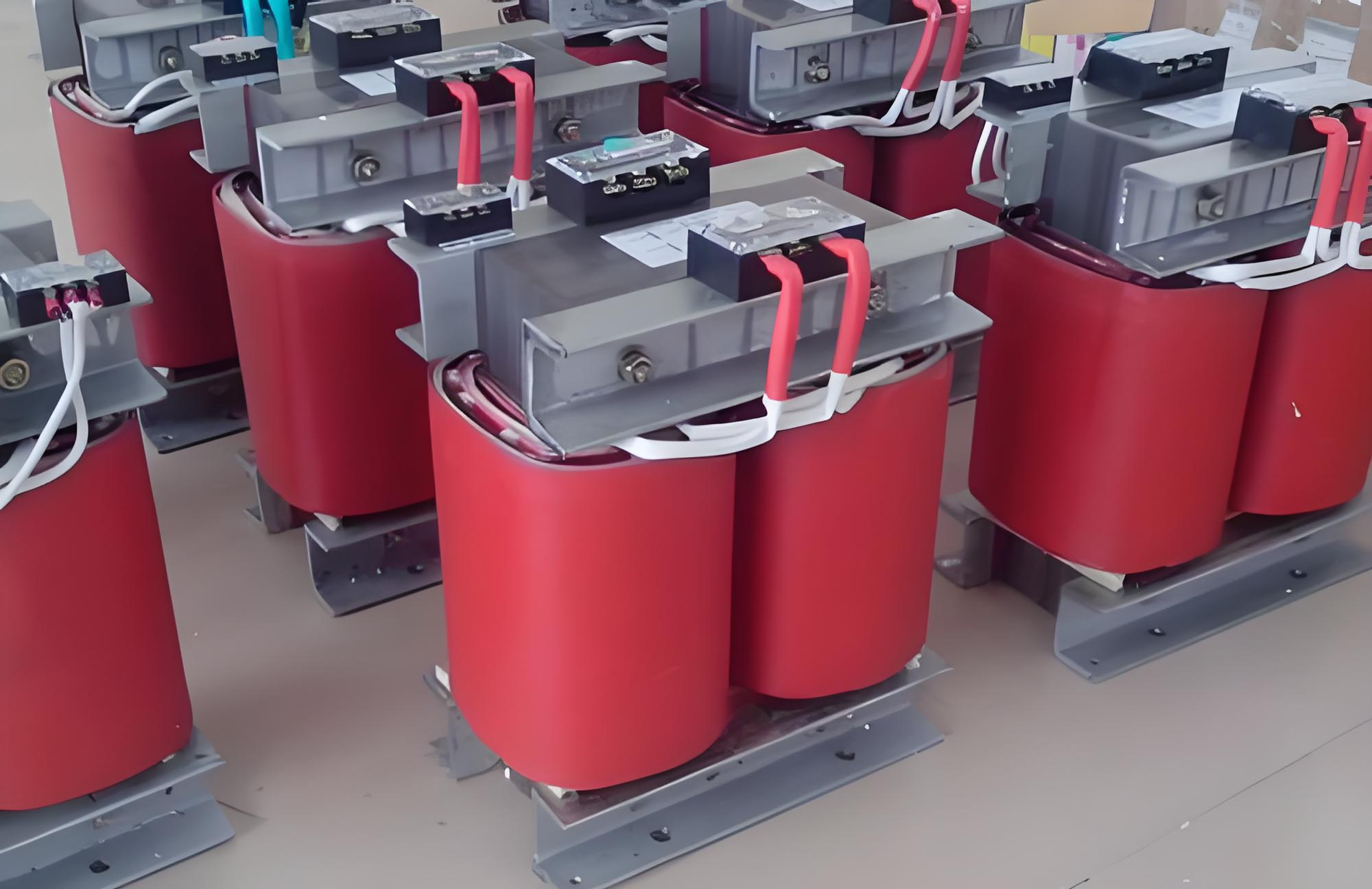
6. Terminals and Leads
Function:
Terminals connect the transformer to external circuits, allowing it to interface with power sources and loads. Leads provide internal connections between windings.
Design Requirements:
- Terminals must have good conductivity and mechanical strength;
- Leads should be insulated and arranged to minimize electromagnetic interference.
7. Other Auxiliary Components
May include:
- Temperature Sensors: Monitor operational temperature;
- Grounding Terminals: Ensure safe grounding;
- Nameplate: Displays model number, rated parameters, and production details;
- Lifting Lugs / Mounting Holes: Facilitate handling and installation.
Conclusion
Although structurally simple, the core components of a single-phase transformer significantly impact its performance, safety, and service life. Understanding their functions and characteristics helps in better selection, maintenance, and troubleshooting in practical applications.