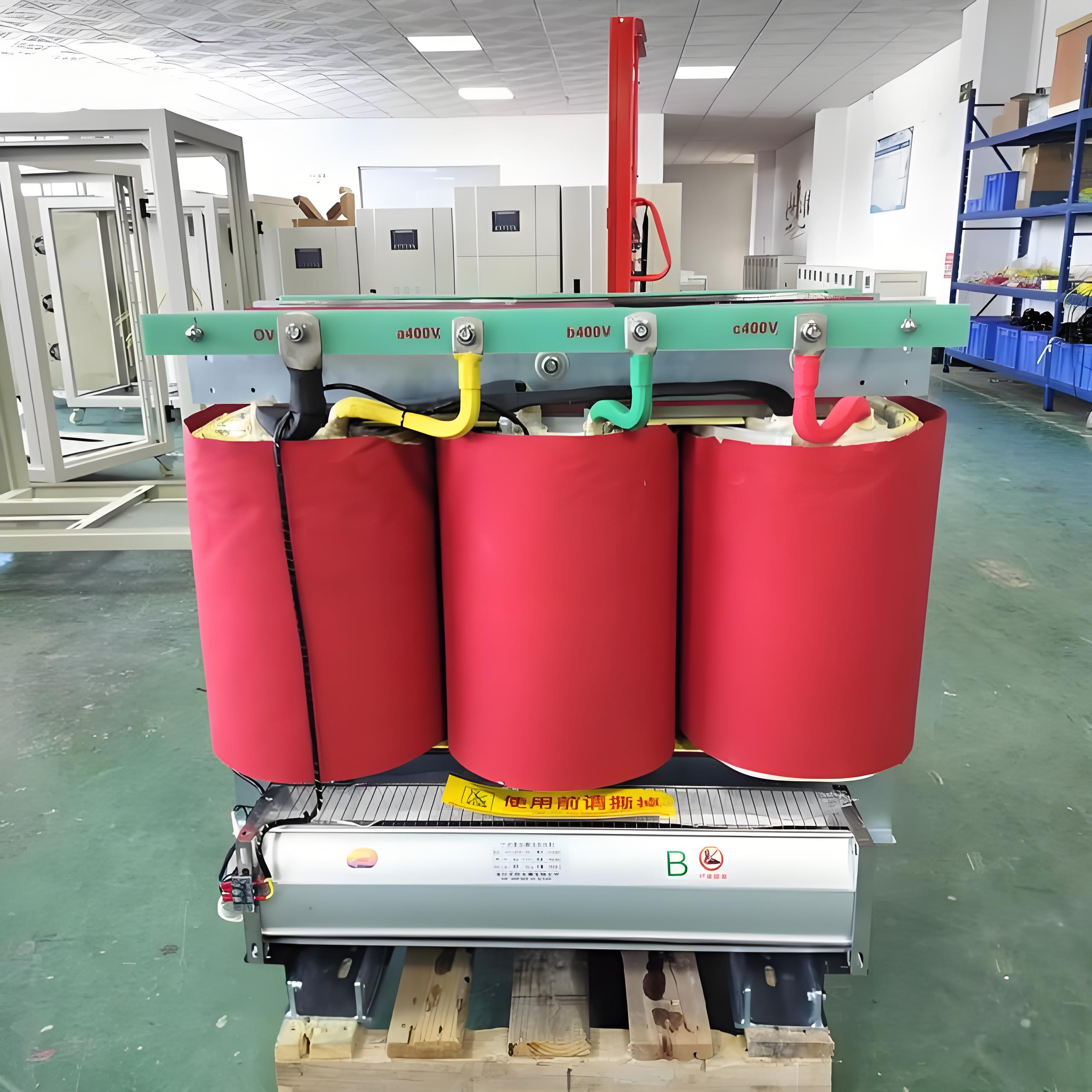
Three-phase isolation transformers play a pivotal role in various industrial applications, providing essential functions such as electrical safety, noise suppression, voltage stabilization, and fault protection. Below, we explore their critical applications in the industrial domain, supported by professional electrical knowledge.
1. Power Supply Isolation for Sensitive Equipment
In industrial environments, sensitive equipment such as programmable logic controllers (PLCs), variable frequency drives (VFDs), and human-machine interfaces (HMIs) require clean and stable power supplies. Three-phase isolation transformers provide:
- Electrical Isolation:
- Prevents ground loops and minimizes the risk of electrical interference from other equipment.
- Noise Reduction:
- Suppresses high-frequency noise, harmonics, and electromagnetic interference (EMI) that could otherwise disrupt the operation of precision devices.
This ensures reliable performance and extends the lifespan of industrial automation systems.
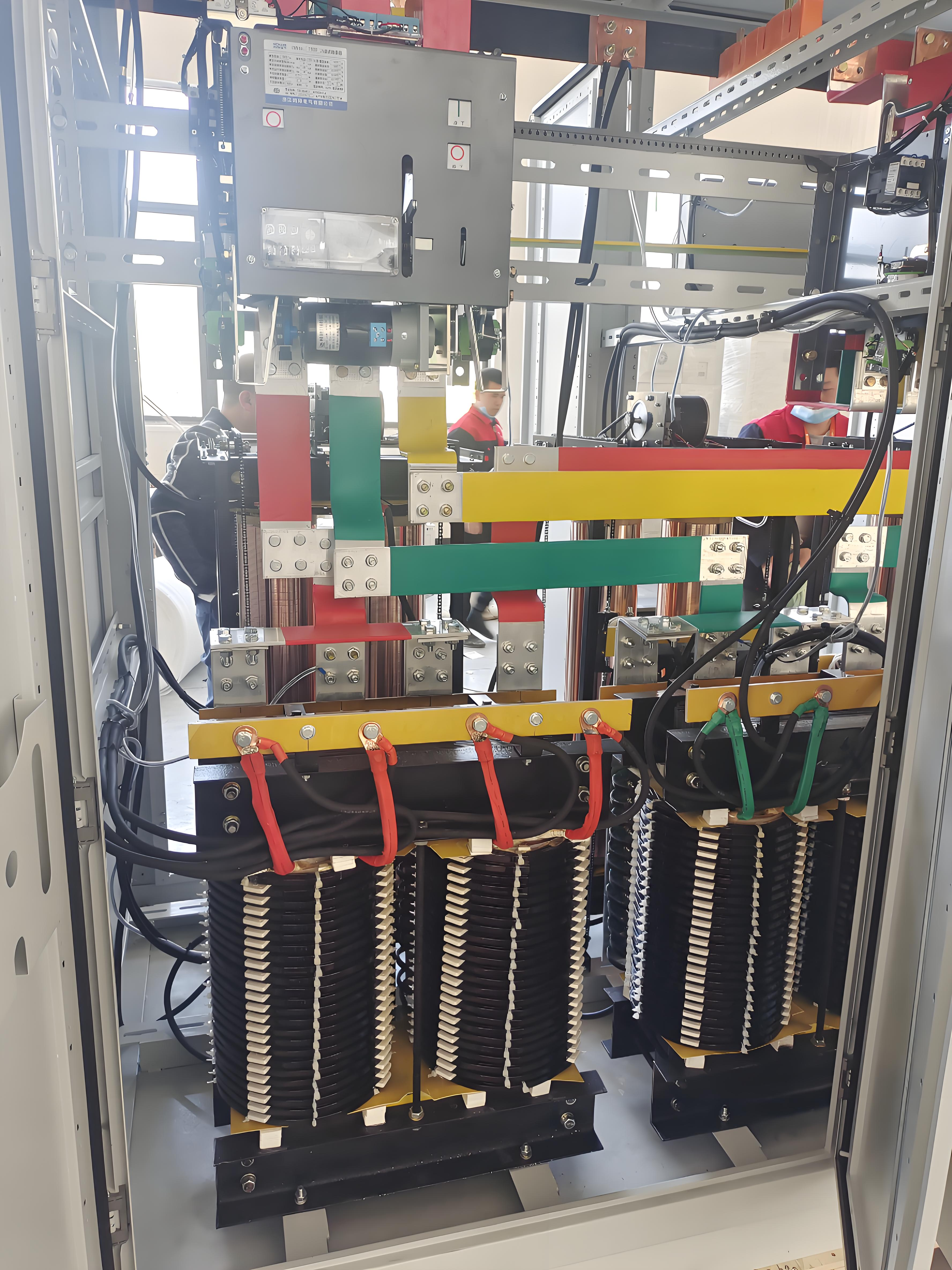
2. Voltage Stabilization and Regulation
Industrial machinery often operates under fluctuating voltage conditions, which can lead to inefficiencies or equipment damage. Three-phase isolation transformers with tap changers or specialized winding designs:
- Mitigate Voltage Fluctuations:
- Step up or step down voltages to match the requirements of specific equipment.
- Improve Power Quality:
- Reduce voltage sags, swells, and imbalances, ensuring consistent power delivery to motors, compressors, and other heavy-duty equipment.
3. Harmonic Mitigation
Non-linear loads, such as VFDs, rectifiers, and arc furnaces, generate harmonic distortions that can degrade power quality and cause overheating in transformers and motors. Three-phase isolation transformers:
- Attenuate Harmonics:
- Act as low-pass filters to reduce the propagation of harmonics into the main power system.
- Protect Equipment:
- Prevent harmonic-induced failures in motors, generators, and other connected devices.
4. Fault Protection and Safety
Industrial environments are prone to electrical faults such as short circuits, transient surges, and ground faults. Three-phase isolation transformers enhance safety by:
- Breaking Ground Loops:
- Eliminate ground loop currents that can cause equipment malfunction or damage.
- Reducing Shock Hazards:
- Provide galvanic isolation, preventing accidental contact with high voltages and protecting personnel.
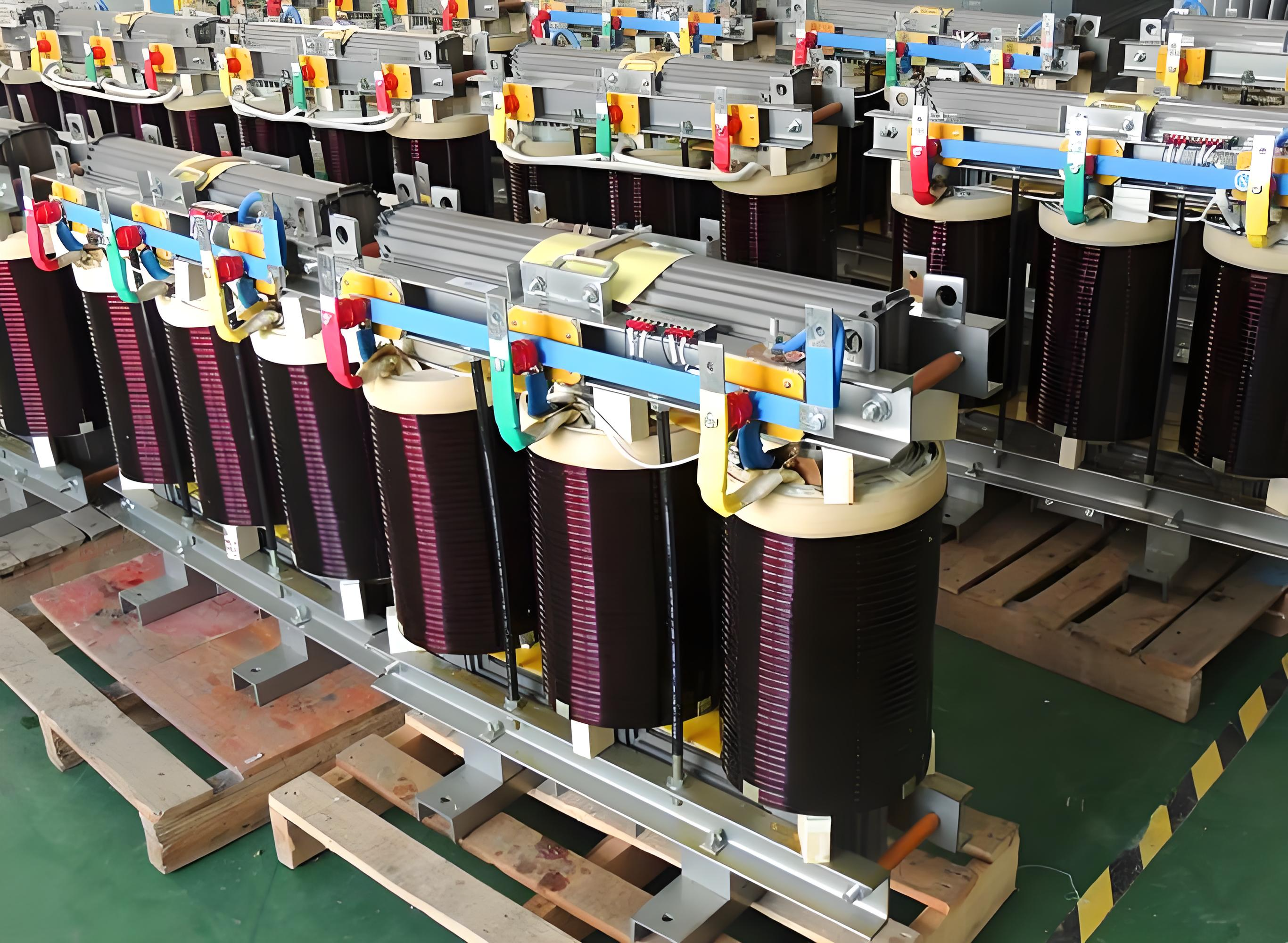
5. Integration with Renewable Energy Systems
In industrial facilities incorporating renewable energy sources like solar panels or wind turbines, three-phase isolation transformers:
- Isolate Renewable Sources from the Grid:
- Ensure safe integration of distributed energy resources (DERs) into the main power system.
- Step Up Voltages for Transmission:
- Convert low-voltage outputs from inverters to higher voltages suitable for long-distance transmission within the facility.
6. Motor Control and Drive Systems
Motors are ubiquitous in industrial settings, powering conveyor belts, pumps, fans, and other machinery. Three-phase isolation transformers support motor control applications by:
- Reducing Voltage Stress on Motors:
- Minimize voltage spikes and transients that can damage motor windings.
- Enhancing Efficiency:
- Provide balanced and stable power to motor drive systems, improving overall operational efficiency.
7. Data Center and IT Infrastructure Support
In industrial facilities with on-site data centers or IT infrastructure, three-phase isolation transformers:
- Ensure Uninterrupted Operation:
- Protect servers, storage systems, and network equipment from electrical noise and transient surges.
- Provide Dedicated Neutral Points:
- Enable proper grounding and neutral isolation, reducing the risk of ground faults and equipment malfunctions.
8. Customized Solutions for Harsh Environments
Industrial environments often present challenging conditions such as high temperatures, humidity, dust, and chemical exposure. Three-phase isolation transformers designed for these scenarios:
- Withstand Harsh Conditions:
- Use robust insulation materials and protective enclosures (e.g., IP-rated designs) to ensure reliable operation.
- Adapt to Altitude and Temperature Variations:
- Incorporate derating factors and enhanced cooling mechanisms to maintain performance in extreme environments.