Rectifier transformers and power transformers are both critical components in electrical systems, but they serve distinct purposes and have unique design characteristics. Below is a detailed comparison of the two types of transformers based on professional electrical knowledge:
1. Purpose and Application
-
Rectifier Transformers:
- Purpose: Rectifier transformers are specifically designed to supply power to rectifier systems, which convert alternating current (AC) into direct current (DC).
- Applications: Commonly used in industries such as electrochemical processing, metal smelting, electric traction systems, and DC power supplies for industrial equipment.
-
Power Transformers:
- Purpose: Power transformers are primarily used to step up or step down voltage levels for efficient transmission and distribution of AC power.
- Applications: Widely employed in substations, power generation plants, and distribution networks to facilitate the transfer of electricity over long distances and to end users.
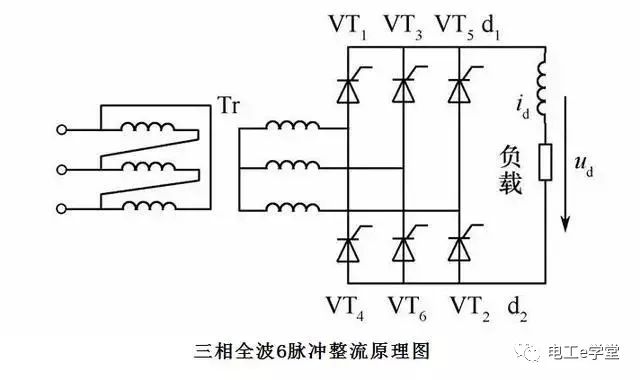
2. Design Characteristics
-
Rectifier Transformers
- Harmonic Mitigation: Designed to handle the harmonic distortions generated by rectifiers. They often include additional windings or filters to reduce harmonic effects.
- High Current Capacity: Built to withstand high currents due to the nature of rectifier loads, which can cause significant current ripples.
- Phase Shifting: Some rectifier transformers incorporate phase-shifting features to optimize the performance of multi-pulse rectifier systems (e.g., 6-pulse, 12-pulse configurations).
-
Power Transformers:
- Voltage Regulation: Optimized for efficient voltage transformation with minimal losses. They typically have tap changers to adjust output voltage levels as needed.
- Efficiency: Designed for high efficiency during AC power transmission, minimizing energy losses through core and winding resistance.
- Insulation Levels: Built with robust insulation systems to handle high-voltage AC transmission requirements.
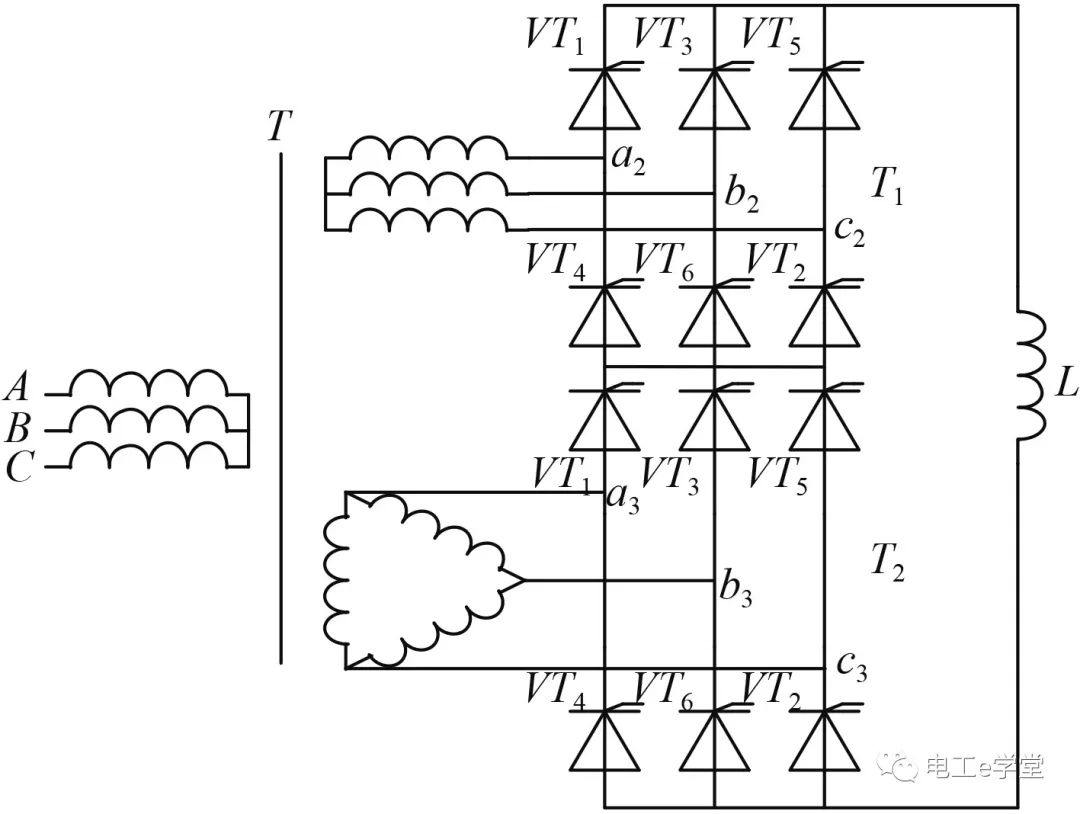
3. Load Characteristics
-
Rectifier Transformers:
- Operate under non-linear loads caused by rectifiers, leading to increased heating and stress on the transformer windings.
- Require special cooling systems (e.g., forced air or oil cooling) to manage the additional heat generated.
-
Power Transformers:
- Typically operate under linear AC loads, which are more predictable and easier to manage thermally.
- Cooling systems are generally simpler, relying on natural convection, oil immersion, or fans for larger units.
4. Performance Requirements
-
Rectifier Transformers:
- Must maintain stable operation under fluctuating DC loads and tolerate frequent switching operations.
- Often require custom designs to match specific rectifier configurations and load profiles.
-
Power Transformers:
- Focus on maintaining consistent voltage levels and minimizing losses during AC power transmission.
- Standardized designs are common, especially in utility-scale applications.
5. Construction and Materials
-
Rectifier Transformers
- Use materials and winding configurations that can handle higher thermal and mechanical stresses caused by rectifier harmonics.
- May include specialized cores and windings to improve performance under DC conversion conditions.
-
Power Transformers:
- Constructed with laminated steel cores and copper or aluminum windings to minimize core losses and resistivity.
- Designed for durability and longevity in AC power systems.


