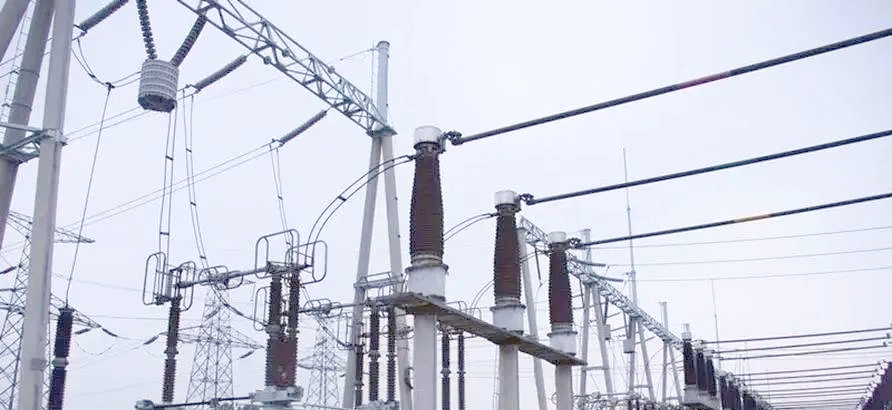
In a substation, primary equipment refers to the core devices directly involved in the generation, transmission, distribution, and utilization of electrical energy. These devices are essential for ensuring the safe, reliable, and efficient operation of the power system. Below is an introduction to several key types of primary equipment commonly found in substations, along with their functions:
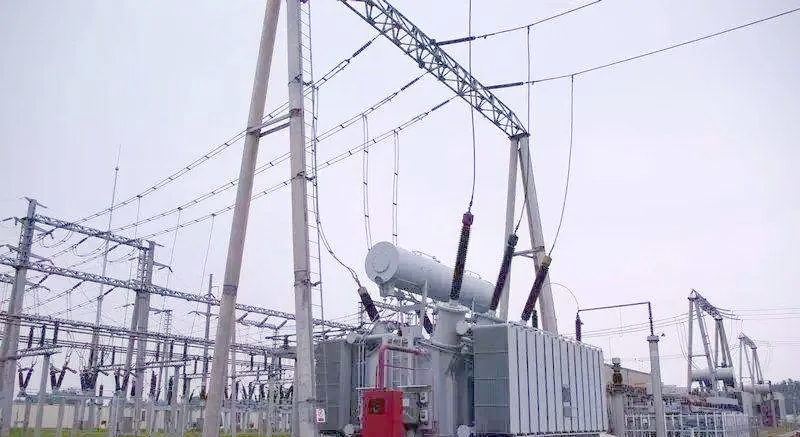
1. Power Transformers
- Function: Power transformers are used to step up or step down voltage levels to facilitate efficient power transmission and distribution. They are critical in reducing energy losses during long-distance transmission.
- Application: Typically located between transmission lines and distribution networks, transformers ensure that electricity is delivered at the appropriate voltage for consumer use.
2. Circuit Breakers
- Function: Circuit breakers are protective devices designed to interrupt abnormal currents, such as short circuits or overloads, to prevent damage to equipment and ensure the safety of the power system.
- Types: Common types include air circuit breakers (ACB), vacuum circuit breakers (VCB), and SF6 circuit breakers, each suited for different voltage levels and environmental conditions.
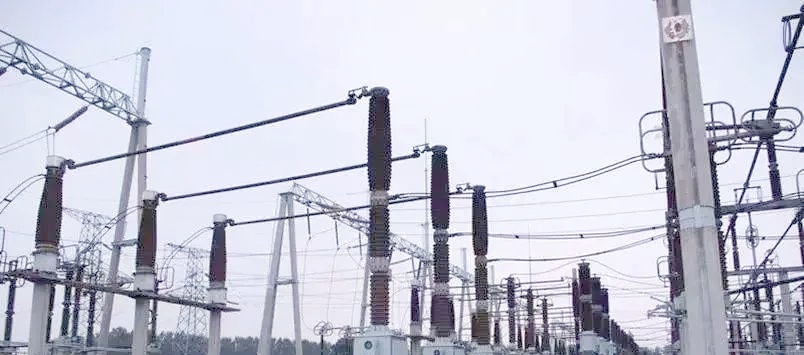
3. Disconnect Switches (Isolators)
- Function: Disconnect switches, also known as isolators, are used to provide a visible break in the circuit during maintenance or emergencies. They ensure that specific sections of the substation can be safely de-energized for work.
- Limitation: Unlike circuit breakers, disconnect switches cannot interrupt load currents or fault currents.
4. Instrument Transformers
- Types: Instrument transformers include current transformers (CTs) and potential transformers (PTs).
- Function: These devices are used to measure high currents and voltages by stepping them down to safer, measurable levels for meters and protective relays. They play a vital role in monitoring and protecting the power system.
5. Surge Arresters
- Function: Surge arresters protect electrical equipment from voltage spikes caused by lightning strikes or switching operations. They divert excess voltage to the ground, thereby preventing insulation failures.
- Application: Typically installed near transformers, busbars, and other critical equipment.
6. Busbars
- Function: Busbars are conductive bars or strips that serve as common connection points for multiple circuits. They distribute electrical power to various feeders and outgoing lines within the substation.
- Material: Usually made of copper or aluminum due to their excellent conductivity and durability.
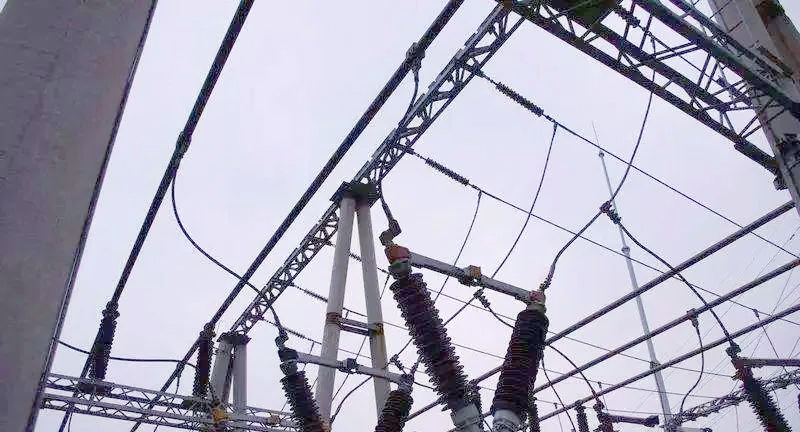
7. Reactors
- Function: Reactors are used to limit fault currents, stabilize voltage levels, and improve power factor. They introduce inductive reactance into the system to control current flow.
- Types: Series reactors and shunt reactors are the two main categories, each serving different purposes.
8. Capacitor Banks
- Function: Capacitor banks are used to improve the power factor by supplying reactive power to the system. They reduce energy losses and enhance the efficiency of power transmission.
- Application: Often installed in industrial substations or distribution networks with significant inductive loads.
9. Grounding Systems
- Function: Grounding systems provide a safe path for fault currents to flow into the earth, protecting personnel and equipment from electrical hazards.
- Components: Include grounding electrodes, conductors, and connections to ensure low-resistance paths.
10. Transmission and Distribution Lines
- Function: These are the physical conductors that transport electrical energy from one location to another. Transmission lines carry high-voltage electricity over long distances, while distribution lines deliver lower-voltage electricity to end users.
- Construction: Typically consist of conductors, insulators, and supporting structures like towers or poles.