The oil conservator, also known as the oil expansion tank or oil pillow, is an essential component of a transformer's design. It plays a critical role in maintaining the proper oil level and ensuring the safe and efficient operation of the transformer. Below is a detailed explanation of the structure and function of the transformer oil conservator based on professional electrical knowledge:
1. Purpose of the Oil Conservator
- The oil conservator serves as a reservoir for the transformer oil, accommodating changes in oil volume due to thermal expansion and contraction during operation.
- It prevents direct contact between the transformer oil and air, reducing the risk of oxidation, moisture ingress, and contamination, which can degrade the oil's dielectric properties.
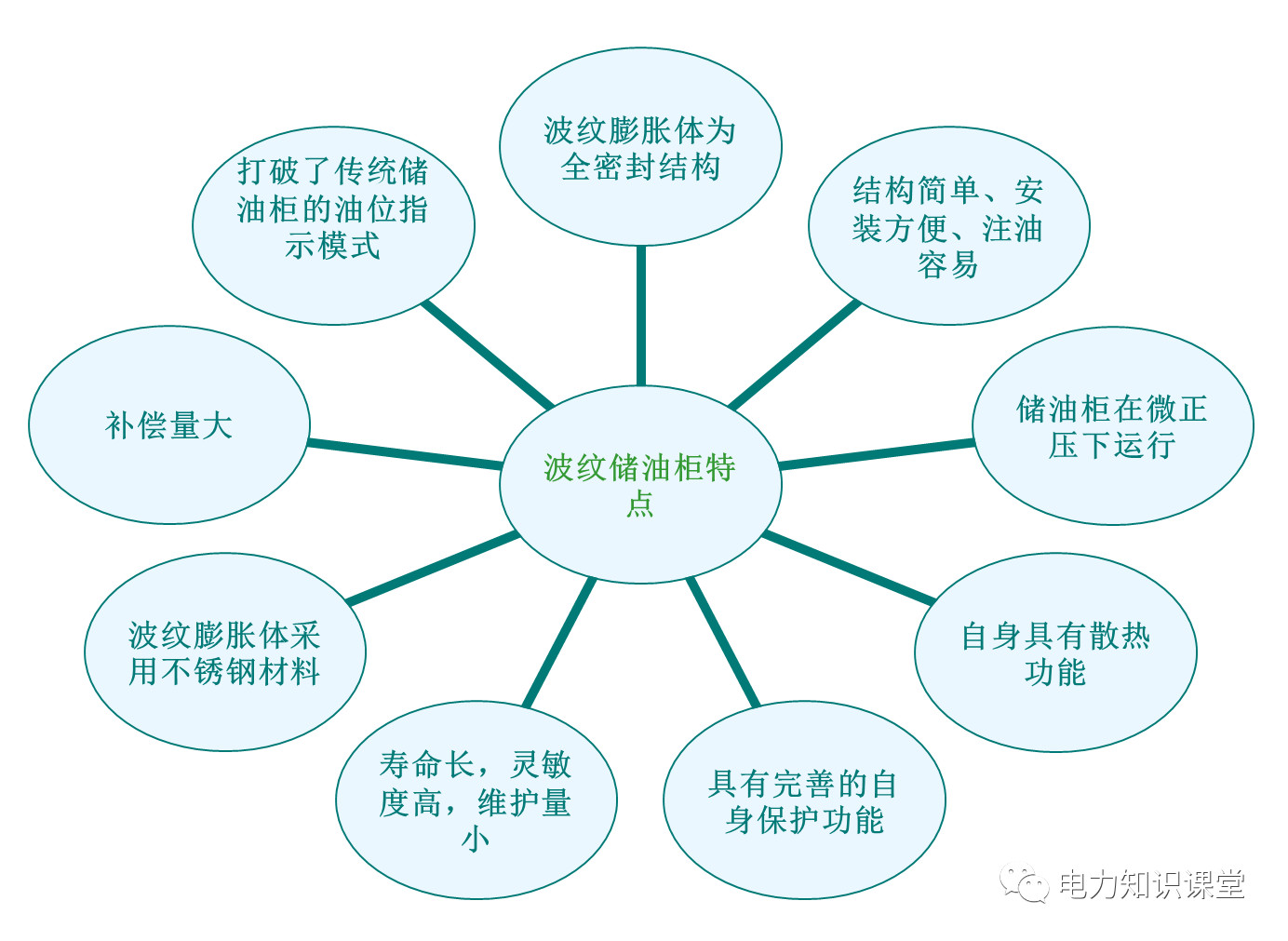
2. Main Components of the Oil Conservator
- Oil Tank (Conservator Tank):
- A cylindrical or rectangular container mounted above or adjacent to the main transformer tank.
- It contains a sufficient volume of oil to compensate for fluctuations in oil levels caused by temperature variations.
- Air Breather (Dehydrating Breather):
- Installed on the conservator to allow air exchange while filtering out moisture and contaminants.
- Typically contains silica gel or other desiccants to absorb moisture from the incoming air.
- Oil Level Indicator:
- A visual gauge or float mechanism used to monitor the oil level inside the conservator.
- Provides operators with real-time information about the oil level and helps detect leaks or abnormalities.
- Gas Accumulator (Optional):
- In some designs, a gas accumulator is included to separate air or gases from the oil.
- This helps prevent dissolved gases from entering the main transformer tank, where they could cause issues such as partial discharge or arcing.
- Flexible Diaphragm or Bladder (in Modern Designs):
- Some conservators are equipped with a flexible diaphragm or bladder that separates the oil from the air.
- This design minimizes direct contact between the oil and air, further reducing oxidation and contamination risks.
- Drain Valve:
- A valve located at the bottom of the conservator to facilitate oil drainage during maintenance or inspection.
3. Working Principle
- During operation, the transformer oil expands as the temperature rises and contracts as the temperature falls. The oil conservator accommodates these volume changes by allowing the oil to flow into or out of the conservator.
- The air breather ensures that any air entering or leaving the conservator is dry and free of contaminants, preserving the quality of the transformer oil.
- In designs with a diaphragm or bladder, the flexible barrier moves to adjust for oil volume changes while maintaining a physical separation between the oil and air.
4. Types of Oil Conservators
- Open-Type Conservator:
- An older design where the oil is exposed to the atmosphere through a simple vent pipe.
- Less common today due to the higher risk of oil degradation from moisture and air exposure.
- Sealed-Type Conservator:
- Equipped with a diaphragm or bladder to isolate the oil from the air.
- Provides better protection against oxidation and contamination, making it the preferred choice for modern transformers.
- Vacuum-Type Conservator:
- Designed for transformers operating under vacuum conditions.
- Ensures that no air enters the system, even during extreme temperature variations.

5. Advantages of Using an Oil Conservator
- Maintains optimal oil levels, preventing low oil conditions that could lead to overheating or insulation failure.
- Reduces the risk of oil degradation by minimizing exposure to air and moisture.
- Facilitates easier monitoring and maintenance of the transformer oil.
- Enhances the overall reliability and lifespan of the transformer.


