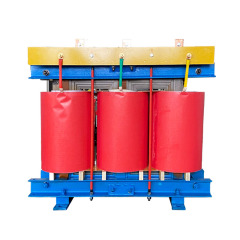
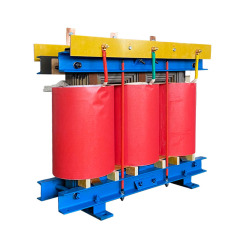
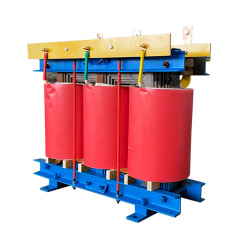
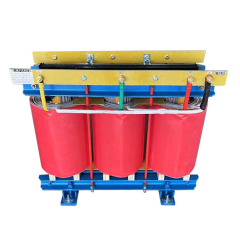
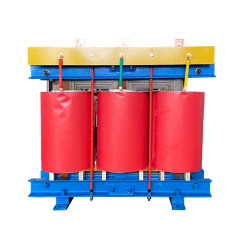
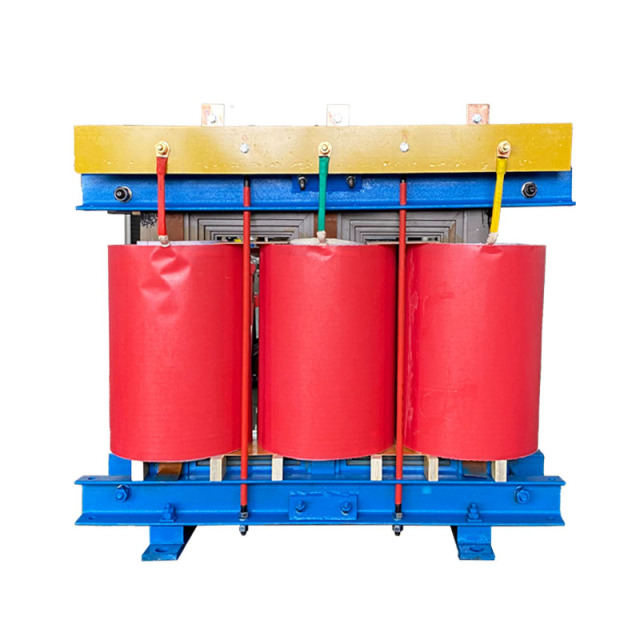
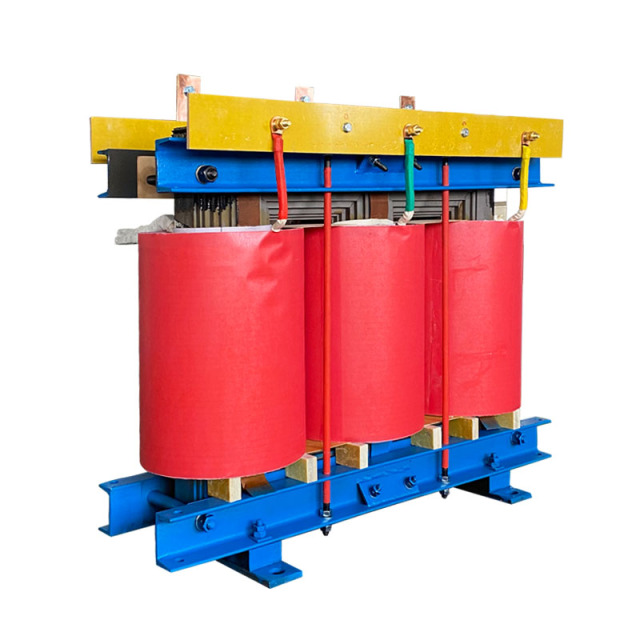
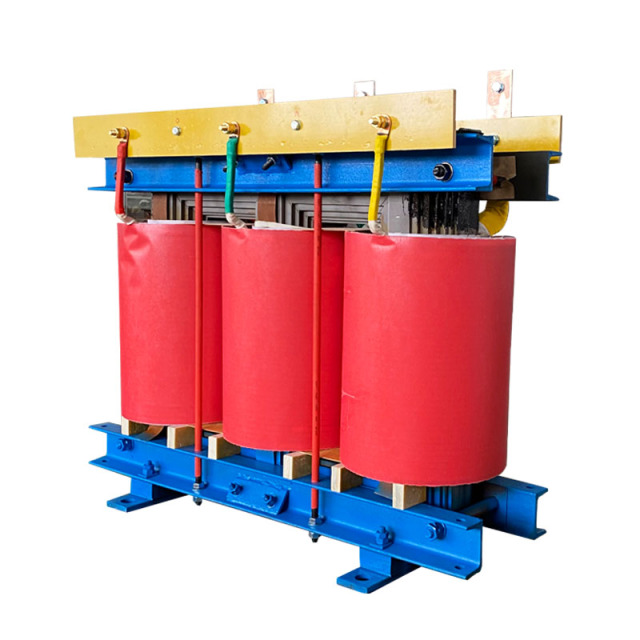
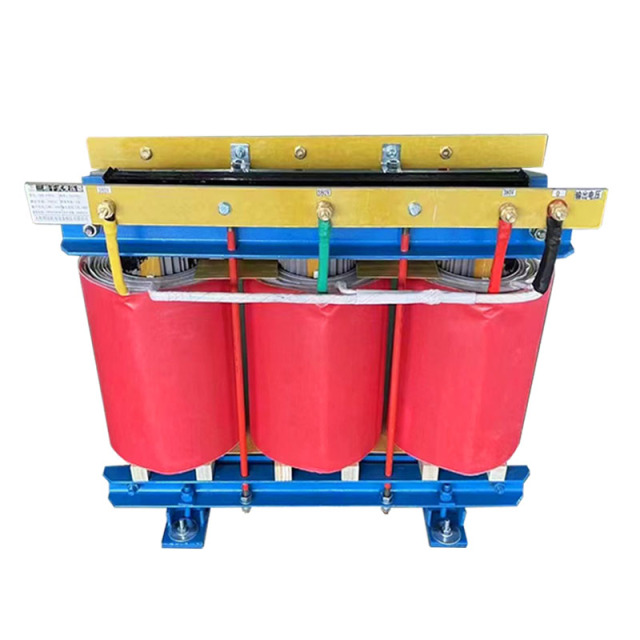
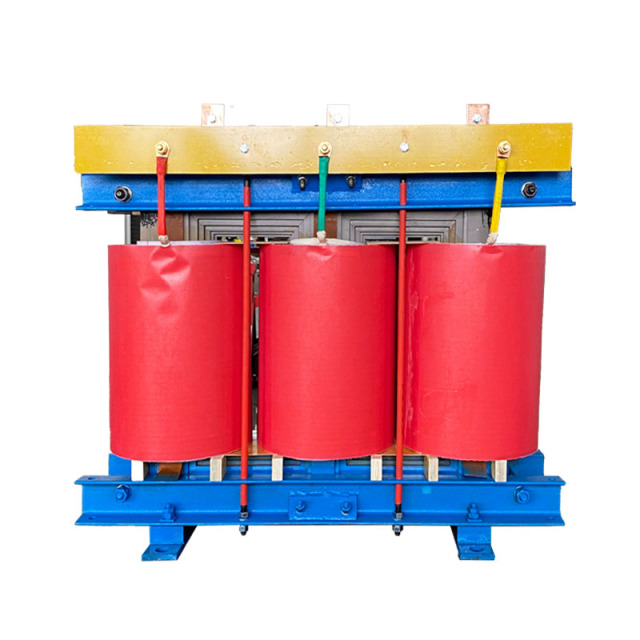
• JSD three phase transformer manufacturers 440/415/480 to 220/200/660/690 SBK- 50 KVA
  • JSD three phase transformer manufacturers 440/415/480 to 220/200/660/690 SBK- 50 KVA
  • JSD three phase transformer manufacturers 440/415/480 to 220/200/660/690 SBK- 50 KVA
  • JSD three phase transformer manufacturers 440/415/480 to 220/200/660/690 SBK- 50 KVA
  • JSD three phase transformer manufacturers 440/415/480 to 220/200/660/690 SBK- 50 KVA
  • JSD three phase transformer manufacturers 440/415/480 to 220/200/660/690 SBK- 50 KVA
  • JSD three phase transformer manufacturers 440/415/480 to 220/200/660/690 SBK- 50 KVA
  • JSD three phase transformer manufacturers 440/415/480 to 220/200/660/690 SBK- 50 KVA
  • JSD three phase transformer manufacturers 440/415/480 to 220/200/660/690 SBK- 50 KVA
  • JSD three phase transformer manufacturers 440/415/480 to 220/200/660/690 SBK- 50 KVA

JSD three phase transformer manufacturers 440/415/480 to 220/200/660/690 SBK- 50 KVA

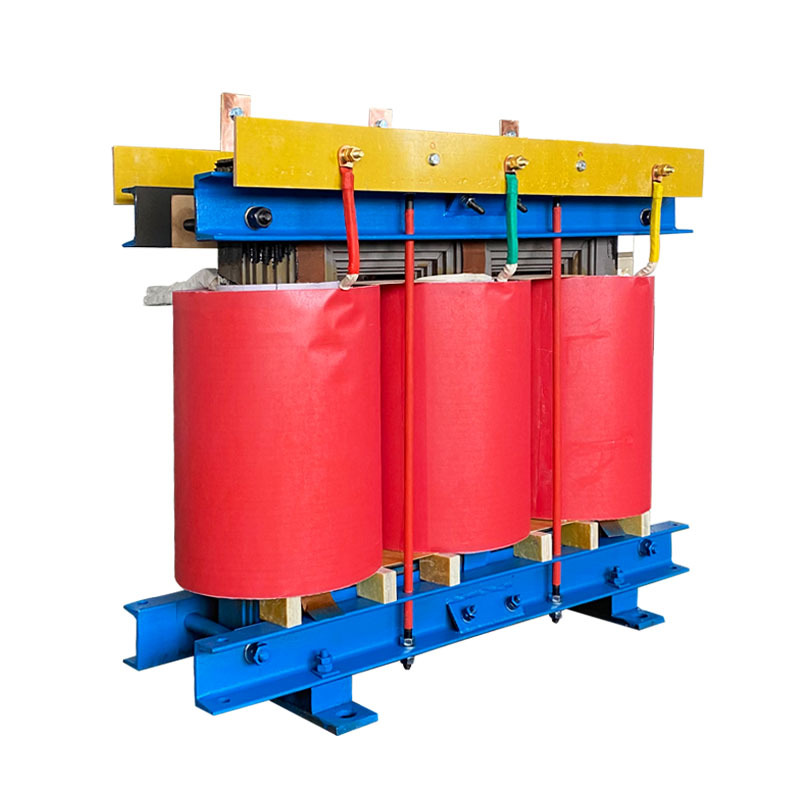
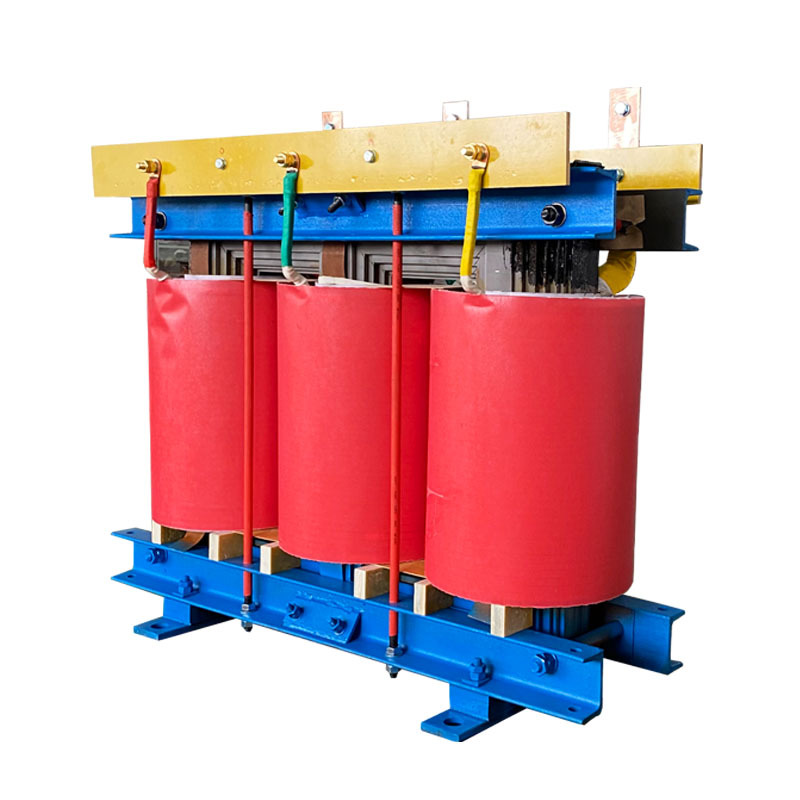
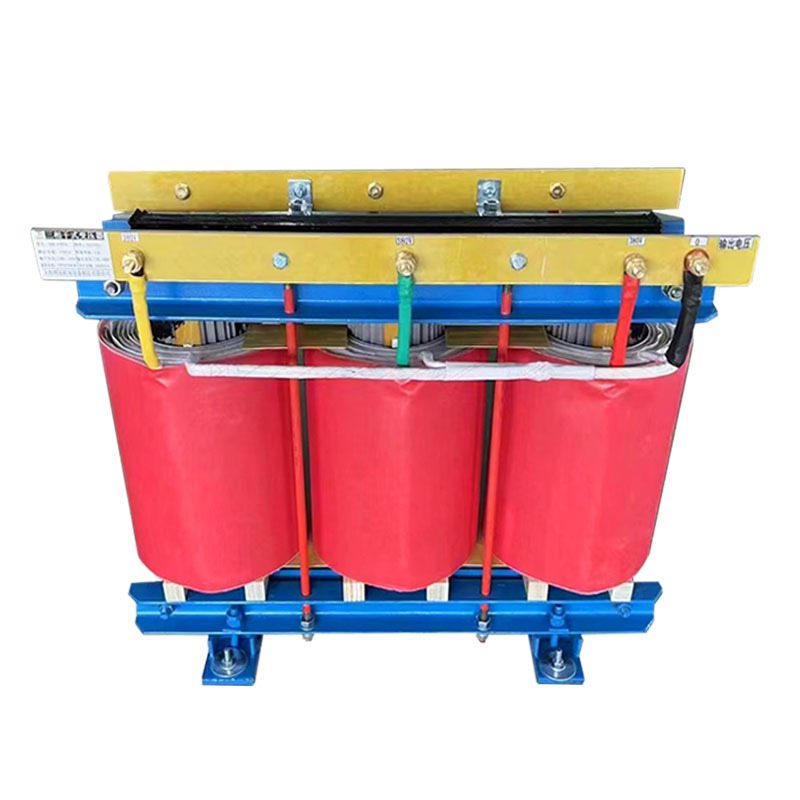
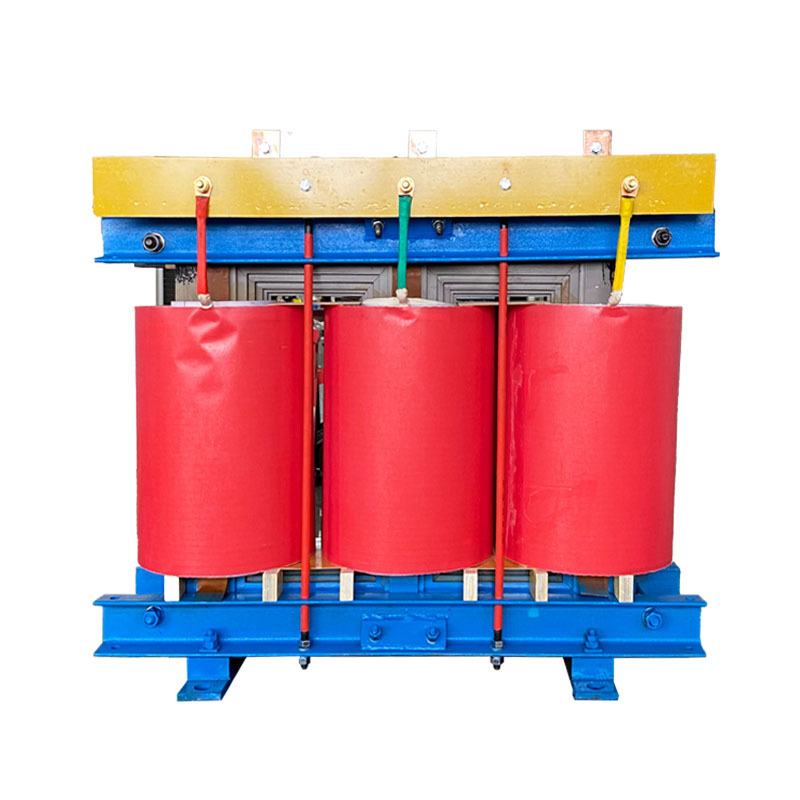
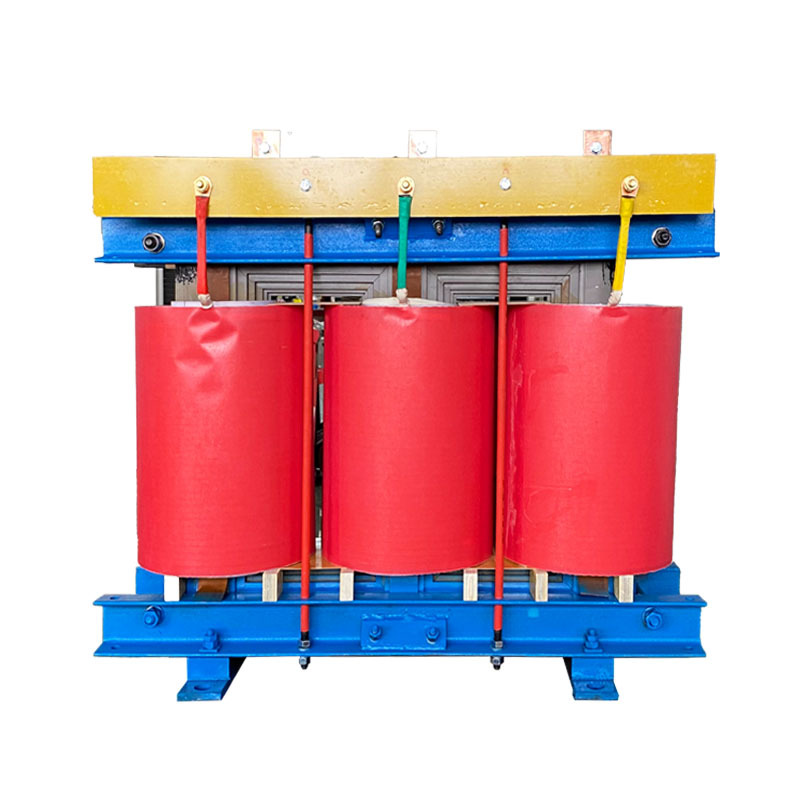
Dry-type three phase transformer for 440/415/480 V to 220/200/660/690 V conversion, made to order with copper or aluminium windings.
  • JSD three phase transformer manufacturers 440/415/480 to 220/200/660/690 SBK- 50 KVA
  • JSD three phase transformer manufacturers 440/415/480 to 220/200/660/690 SBK- 50 KVA
  • JSD three phase transformer manufacturers 440/415/480 to 220/200/660/690 SBK- 50 KVA
  • JSD three phase transformer manufacturers 440/415/480 to 220/200/660/690 SBK- 50 KVA
  • JSD three phase transformer manufacturers 440/415/480 to 220/200/660/690 SBK- 50 KVA

Description

Product Overview

The SBK series is a dry-type three phase transformer, and the 50 kVA build is the size we supply most often for 440/415/480 V to 220/200/660/690 V conversions. It works as a step-down transformer when a machine arrives on a higher supply, and the same platform steps up when the load sits on the higher-voltage side. Air does the cooling, so there is no oil tank to inspect, no oil sample to send away and no bund to build under the unit. That makes the dry-type transformer an indoor component: an equipment room, a switch room or the plant floor beside the panel it feeds, with the vents clear and the terminals dry. A 50 kVA 480 V to 220 V unit and a much larger 415 V to 690 V unit follow the same winding and core practice; what changes is the conductor, the lamination stack and the frame. We are a direct manufacturer with more than 20 years in low-voltage transformers and voltage stabilisers, building in our own plants in Shanghai and Zhejiang — so you deal with the factory that winds the coil, not a trading company reselling finished units. Buyers who spend a week comparing three phase transformer manufacturers usually reach the same conclusion: the difference is rarely the catalogue. Panel builders, machine importers, plant engineers and project contractors order these when equipment and site voltage disagree, when a line is duplicated in another country, or when a transformer fails and the replacement has to fit a space the old one already occupies — whether it is a repeat order or a custom transformer for a new line. High-permeability silicon steel core. This is where industrial transformer manufacturers spend their money, because core loss is a running cost that never stops; the laminations are chosen for low loss and stacked under controlled pressure so the unit stays cool and quiet in steady service. Copper or aluminium windings. Both are wound in our own plant, so copper can be specified where conductivity and a compact build matter, and aluminium where weight and budget matter more on a large frame. Dry-type construction. No oil, no conservator and no oil test schedule — the dry-type transformer is air cooled and belongs indoors, close to the panel or machine it supplies, which shortens cable runs and keeps it where maintenance can reach it. Low acoustic noise. Tight core clamping and a rigid steel frame keep hum down, which is why these units are normally accepted in equipment rooms and plant areas without a separate acoustic enclosure. Easy installation, little upkeep. Terminals are laid out for straightforward cable entry, the unit is maintenance-free in normal service, and installation instructions are supplied with it — keep the airways clear, check terminal torque at commissioning, and that is the whole routine. Connections built to your drawing. Dy, Dd, Dyn, Yy, Yyn or Yd, with the neutral brought out where the load needs one; a 3 phase transformer 400v build and a 690 V build are specified the same way, straight from the single-line diagram. Adapted to the environment. Coastal air, humid plant rooms, a hot location or a specific enclosure colour are all settled at the design stage instead of being patched up on site.
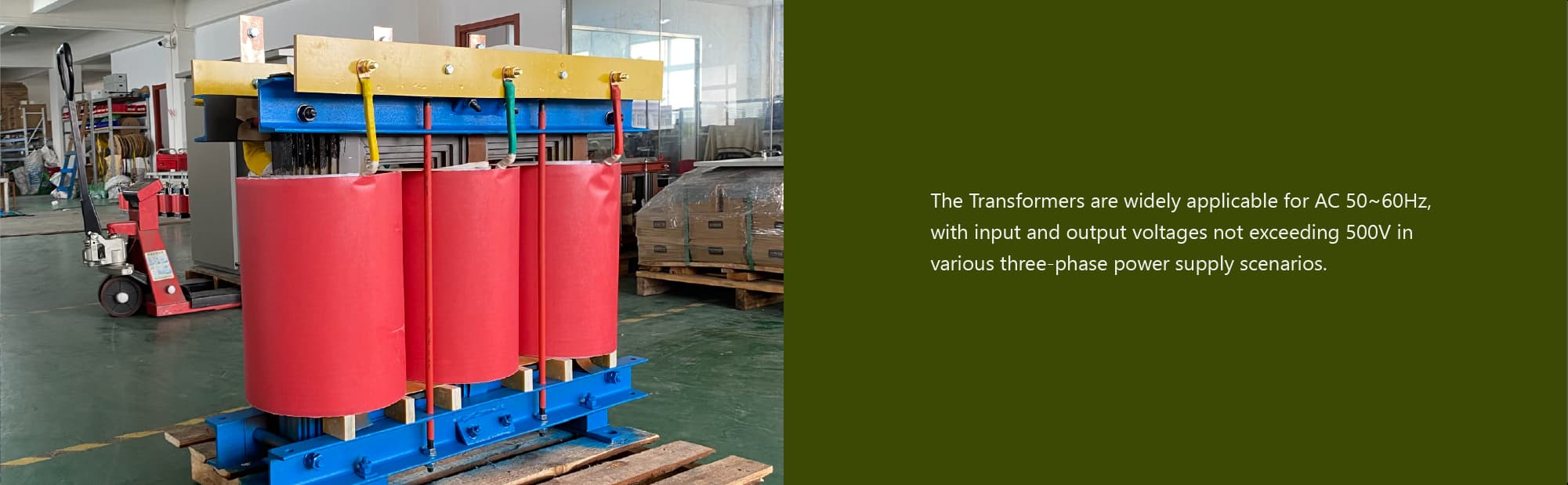
Red coil transformer in factory beside product description text

Voltage Matching Scenarios

  • Imported machine, higher site voltage. A machine built for 200 V or 220 V three-phase arrives on a 440 V or 480 V site, and the step-down transformer delivers the voltage the machine was tested at.
  • A 415 V board feeding 480 V equipment. Where the board is a 3 phase transformer 415v supply and the machine was built for the American market, the primary is set at 415 V and the secondary at 480 V.
  • 400 V networks with mixed labels. On a 3 phase transformer 400v network you will often find equipment carrying a 380 V or 415 V label; we wind to the nameplate, because that is the voltage the machine was tested against.
  • Japanese-built machinery on a European site. A 3 phase transformer 415v feeder running equipment designed around 200 V needs a 200 V secondary, with the neutral brought out if the control circuit is single-phase.
  • 660 V and 690 V distribution. Heavy process, mining and large plant sites distributing at 660 V or 690 V still run 400 V drives, contactors and controls; one unit makes the local voltage without adding a second distribution layer.
  • The step-up direction. A 220 V or 200 V supply driving a 660 V or 690 V load uses the same platform with the windings reversed. Tell us which side is the supply, because that decides which winding is the primary.
  • Replacement with a lost nameplate. When a unit fails and the plate cannot be read, we work from the measured incoming voltage, the voltage the machine needs and the load current rather than guessing from the old casing.
  • New lines built for another market. Equipment assembled for export is often tested on one voltage and installed on another. This is where a lot of industrial transformer manufacturers leave the site to improvise; we would rather fix the ratio at the drawing stage.

Specifications

PropertyValue
Rated power500 VA to 2000 kVA
Primary voltage1 V to 3000 V (custom voltages available)
Secondary voltage1 V to 3000 V (custom voltages available)
Frequency50/60 Hz
Winding connectionDy, Dd, Dyn, Yy, Yyn or Yd (upon request)
Insulation classB, F or H (upon request)
Cooling typeDry-type, air cooled
Winding materialCopper or aluminium
Efficiency≥ 90%
Insulation strength> 100 MΩ at DC 500 V
Noise≤ 60 dB
Dielectric strength and impedanceSet to the levels agreed on the order
Rated voltage3000 V
StandardIEC 60076, EN 61558-2-4

Custom Transformer Design

A custom transformer here means the winding, not the paperwork. Voltage, kVA, connection group, insulation class, frequency, terminal arrangement, enclosure finish and the environment the unit will sit in are all fixed before the core is cut, so a non-standard ratio is a normal order rather than a special project. A 3 phase transformer enquiry from a 400 V site and a 690 V enquiry arrive the same way: a rating, a voltage on each side, a frequency and a space to fit. If you have a drawing, send it and the design becomes largely a checking exercise; if you do not, we need the power rating, both voltages, the connection group, the insulation class, the installation size limits and anything unusual about the site. Where the site is the difficult part, the build changes. A 415 V 3 phase transformer going into a coastal plant may need a different enclosure finish; a unit squeezed into an existing switch room may need the terminals rearranged for cable entry from above; the appearance and layout are set to suit what you actually have. Most industrial transformer manufacturers publish a voltage list and stop there. We would rather work from your drawing, because a winding ratio that is wrong is measured in site weeks, not in the price of the unit.

Ordering & Delivery

PropertyValue
Minimum order quantity≧ 1 set
Payment methodsTT, Electronic Payment, ACH, SEPA, SWIFT, Alipay, WeChat Pay, Prepaid Card
Lead time3 to 25 working days, depending on the order quantity and the complexity of the customization
PackingInternational wooden cases or according to the actual transport needs
WarrantyMinimum 12-month warranty; extended warranty options available depending on project requirements
QuotationTypically within 24 hours of receiving your enquiry, with drawings or nameplate data
Custom design proposalWithin 48 hours of receiving your electrical and dimensional requirements

Technical Support & Model Matching

Because we build in our own factory, the engineers who answer your questions are the same people who configure the units on the line. Send us your input and output voltages, load, frequency and site conditions, and we will match the right model or design a custom unit to suit. Our team stays with you from first enquiry through installation and commissioning, helps trace faults, and specifies spare or replacement units for equipment already in service. Twenty years of manufacturing know-how sits behind that support, so when the question is about a 3 phase transformer, the technical answer comes with a build you can rely on.

Goods-in inspection. Core steel, conductor, insulation and terminal hardware are checked on arrival before anything is released to the line, which is the first of the checkpoints that follow a unit from intake to dispatch. Core cutting and stacking. Lamination burr, stacking pressure and clamping are watched closely, because this is where no-load loss and running noise are decided. Winding. Coils are wound to the conductor and insulation class on your order, with taps and lead-outs labelled so the connection group can be verified later. Assembly and connection. Core and coils are clamped into the frame, terminal links and busbars are torqued, and the connection group is checked against the approved drawing. Routine electrical testing. Ratio, insulation resistance, no-load current and a dielectric test — every unit is tested to the figures published in the specifications before it leaves the line. Final inspection and packing. A 100% inspection regime runs across 8 dedicated checkpoints from raw-material warehousing to dispatch — the part of the job three phase transformer manufacturers who assemble from bought-in units cannot show you — and the finished transformer is cased for transport.

FAQ

What is the difference between this and an isolation transformer?

Every two-winding unit we build is galvanically isolated between primary and secondary, so the separation is already there; what this model adds is the voltage change. A unit ordered with a 1:1 ratio does isolation only, while a step-down transformer ordered at 480 V to 220 V does both at once. If your installation calls for a particular earth arrangement, say so at the enquiry stage and we will confirm the winding details.

Should I choose copper or aluminium windings?

Copper gives higher conductivity, better efficiency and a more compact build, and it is heavier and more expensive. Aluminium is lighter and cheaper, which suits budget-sensitive projects, but it runs at lower efficiency and can call for a little more attention over its service life. Tell us how the unit will be loaded and how many hours a day it runs, and we will say which one is the better buy for that duty.

What does dry-type mean for where I can install it?

The dry-type transformer is air cooled, so there is no oil tank, no oil sampling routine and no bund to build under it. It belongs indoors — an equipment room, a switch room or the plant floor beside the panel it feeds — with clear ventilation and dry terminals. Send the room dimensions and we will confirm the clearances the unit needs.

Which connection group should I specify?

Dy, Dd, Dyn, Yy, Yyn and Yd are all available on request. The choice follows your upstream board and whether the load needs a neutral brought out: a three-wire load without a neutral and a mixed single- and three-phase load do not land on the same group. Send the single-line diagram and we will confirm the group with you before winding starts.

Which insulation class do I need?

Class B, F and H are all available on request. The right one depends on the ambient temperature and how hard the unit is worked — a ventilated equipment room and a hot plant room do not call for the same thermal margin. Give us the ambient and the duty cycle when you enquire and we will size the insulation class to it.

Can you build for a high-altitude site?

Yes. Standard units are supplied for sites below 1000 m, and a plateau version is available for sites above 1000 m. Give us the altitude with the enquiry, because it changes the creepage and cooling allowance in the design.

Can the terminal layout and enclosure match my panel?

Terminal positions on a custom transformer are set at the design stage rather than left until installation. Send the panel drawing or the cable entry direction you need and the leads will be arranged and marked to suit — a 3 phase transformer 415v build for a UK plant often means entry from above, and that is settled on the drawing. Enclosure finish and colour are specified at the same time.

Get Started

We make it easy to get a quote and order a transformer. Follow the steps below to get started.

Recent Feedback

Single-Phase Control Transformer BK-400va

The custom-made special transformers always meet my requirements, and they are excellent. We've worked together several times now, and I trust them completely

100Kva Dry Tape Power Trans,Full Copper

A dedicated vehicle delivered the equipment to the construction site, and I am very satisfied. The transformer has been successfully inspected, and working directly with the manufacturer has been very satisfactory. There are a few more projects coming up, and I look forward to continuing our collaboration!

3-Phase Dry Tape Isolation Transformer

The factory has introduced machines recommended by a Chinese supplier. These include three-phase transformers with robust enclosures that do not overheat during operation, have ample capacity, provide stable voltage, and deliver sufficient power

Explosion-proof mine transformer,25Kva

I bought one before, and the transformer worked well. This time, I’m repurchasing it. After receiving the item, I tested it, and the quality is excellent. It has once again met my expectations, and I’m very pleased

We're ready to help

Call our toll-free number 0086-153-9087-8333 or complete the following inquiry form and our team will get back to you as soon as possible
Request A Quote

Request A Quote

Product Type *
Transformer
Vlotage stabilizer
Select Phase and kVA Rating *
Single Phase
Three Phase
10-20kva
21-30kva
Company *
My company is a *
Transformer
Single Phase
First Name *
last and First
LastName *
Email *
Phone *
Delivery Time *
1
2
3
Additional Information *
Upload Files *
updown