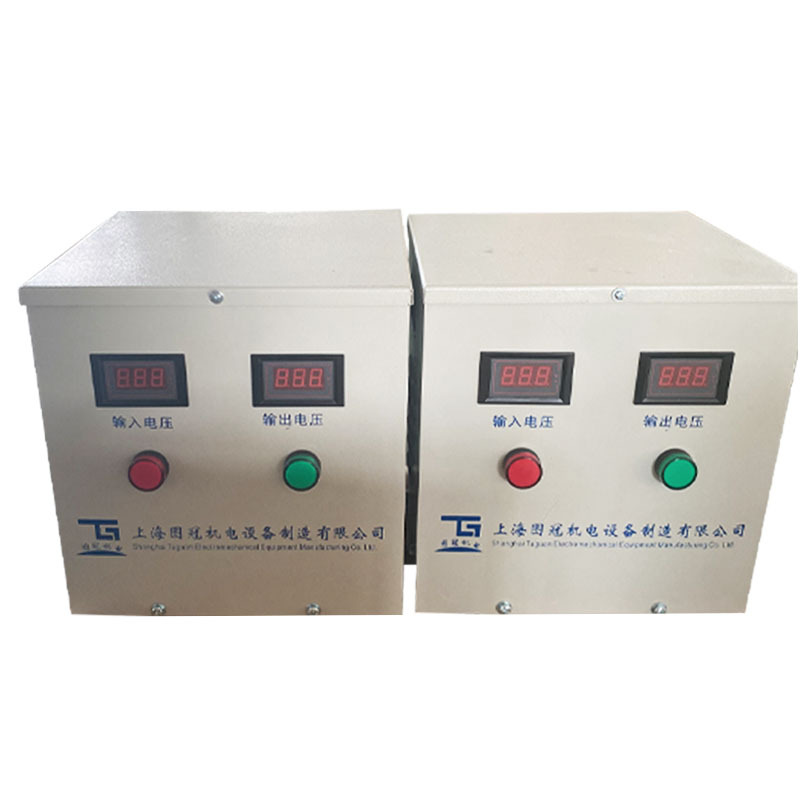
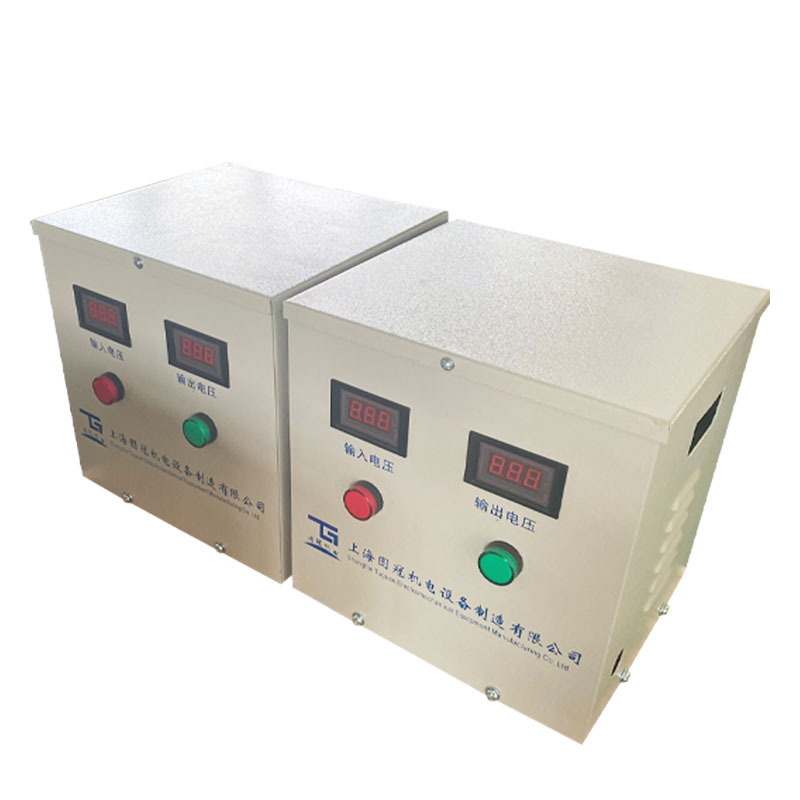
Product Overview
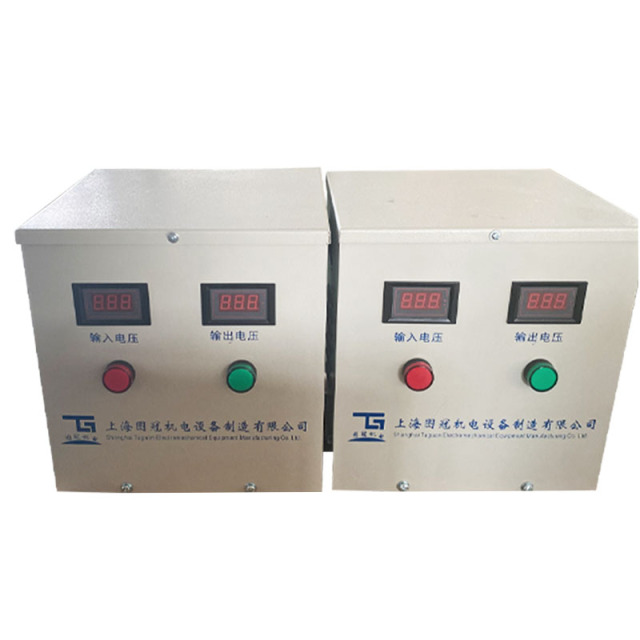
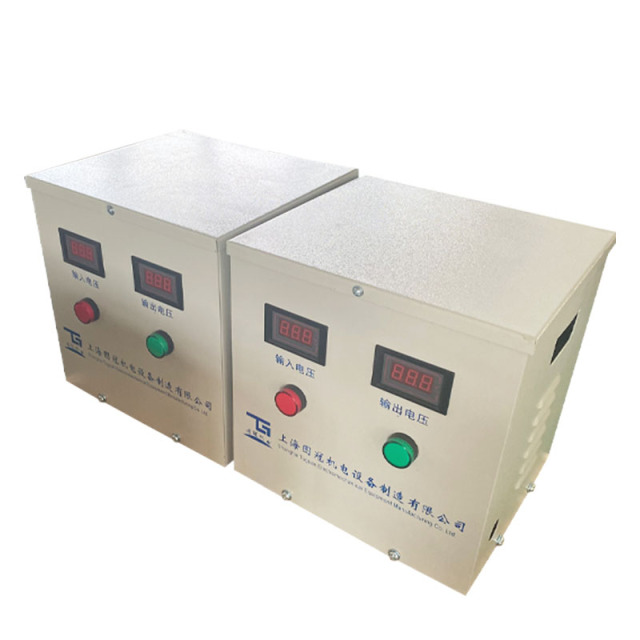
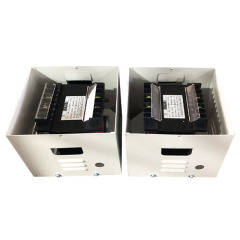
This low voltage transformer sits between your supply and the circuit that needs a different voltage, holding a steady secondary for lighting, control or distribution loads. Whether it ends up in a plant room, inside a panel or at the head of a lighting riser, it does the same job: changes the voltage level and holds it under load. As plant low-voltage transformer manufacturers — not a trading house — we wind, assemble and test in our own factories in Shanghai and Wenzhou. The drawing you approve, the coil that gets wound and the test sheet that ships with the unit are all handled by the same team, so a question about a rating or a test result goes straight to the people who built it. Most buyers come to us for a low voltage lighting transformer, a control transformer or a distribution transformer: panel builders filling an order, integrators matching luminaires to a supply, maintenance engineers replacing a failed unit, and contractors who need the nameplate to match the site. One build standard covers all of them, which is why a single-unit order and a batch order go through the same route.
Key Features & Build
- Windings are wound in our own transformer factory from copper or aluminium conductor, so conductor grade and winding quality are controlled under our roof rather than bought in as finished coils.
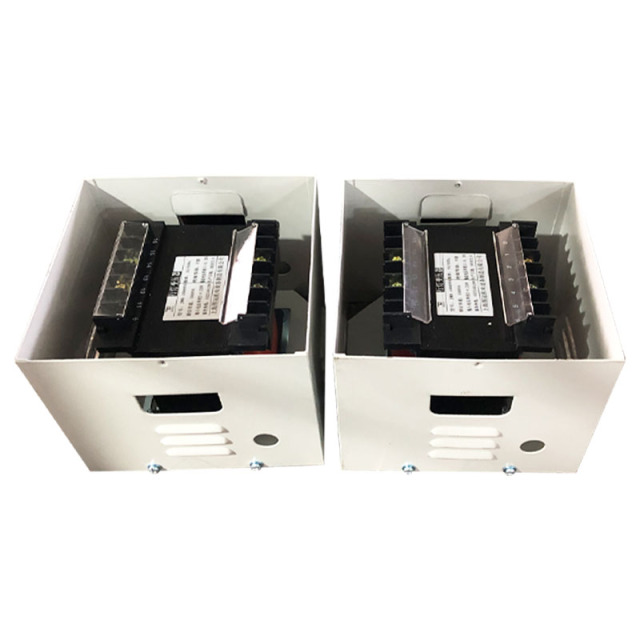
- The iron core is high-permeability silicon steel, laminated EI or CD. High permeability keeps losses and noise low, and the laminated stack gives the core its mechanical stiffness — which matters when the unit is bolted down beside running machinery.
- EI-laminated and CD-laminated cores are both available for the same rating. The choice is settled at drawing stage against the duty, the space available and the loss target, so it is not fixed for the whole series.
- Copper windings carry current with lower losses and hold their performance over a long service life. Aluminium brings the cost of a large unit down and keeps the weight lower, with some loss in efficiency — tell us which side of that trade-off your project sits on and we wind accordingly.
- The unit is a dry-type transformer: the core and windings give up their heat to air moving through the enclosure, so there is no oil tank, no oil level to watch and no oil sample to send away.
- The same build serves a step-down transformer or a step-up unit. What changes is the winding ratio and tap arrangement agreed on the drawing, not the core, the insulation or the enclosure.
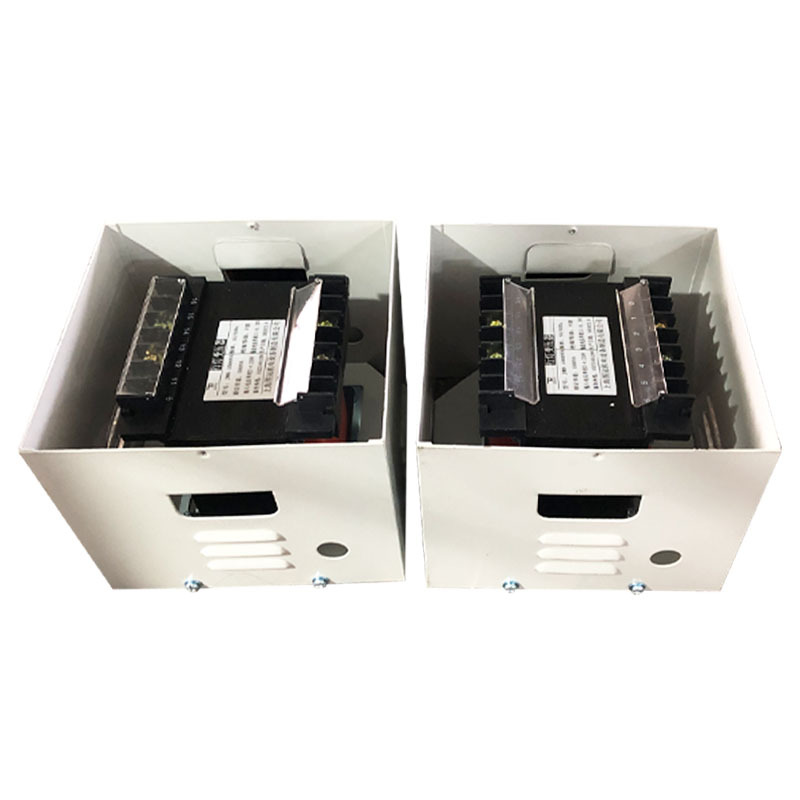
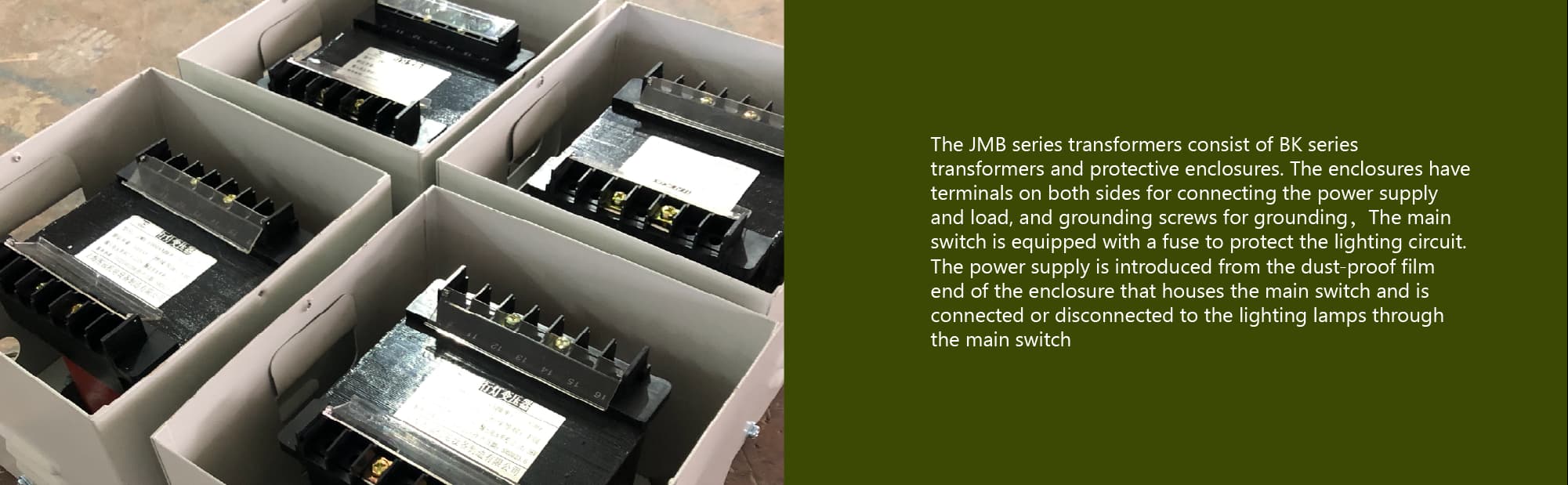
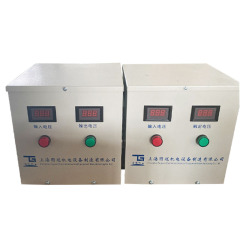
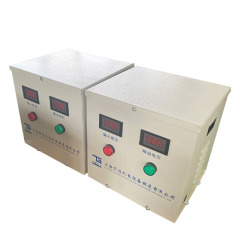
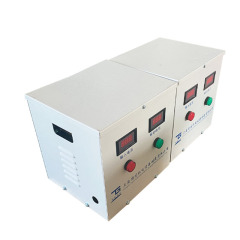
- Terminals sit on both sides of the enclosure, one set for the supply and one for the load, with grounding screws and clear covers over the connections. Where the unit protects a lighting circuit, the main switch can be supplied with a fuse matched to the circuit.
- The unit arrives assembled, wired and tested, so installation is connection and a set of checks rather than assembly on site — which is also why the same design suits a one-off replacement and a repeat build for a panel line.
Applications
Lighting installations are the most common duty. A low voltage lighting transformer usually sits at the head of the lighting distribution, taking a 380 V, 415 V or 480 V feed down to the 100 V, 200 V or 220 V that the fittings are rated for. Settling the secondary voltage at design stage is what prevents a re-tap or a re-lamp after handover.
On machines and imported equipment, a step-down transformer in front of a 200 V or 208 V machine is often simpler than altering the machine's own electrics, and it leaves the equipment exactly as its maker built it. Maintenance teams take the same route for printing, packaging and CNC equipment brought in from another market.
Control circuits, contactors, relays and instrument supplies need a stable voltage without the spikes and dips of the main distribution. Specifying the secondary at 220 V, 200 V or 100 V keeps those components inside their rated window and separates the control circuit from the supply.
Commercial buildings, plant sub-distribution, temporary construction power and export projects all run into the same problem: the supply on site and the equipment schedule disagree on voltage. That is the gap these units bridge, and it is why distributors keep a small stock of low voltage transformers for lighting and control work and order a custom transformer when an odd rating comes up.
Specifications
| Product type | Dry-type transformer, low voltage, air cooled |
| Rated power | 500 VA to 2000 kVA |
| Primary voltage | 480 V, 440 V, 415 V, 400 V, 380 V, 220 V, with custom windings available |
| Secondary voltage | 380 V, 230 V, 220 V, 208 V, 200 V, 100 V, with custom windings available |
| Winding connection | Y/A, Yyn0, D/y11, D/d0, with options for 380 V, 220 V and 200 V systems |
| Core structure | EI-laminated or CD-laminated silicon steel |
| Winding material | Copper or aluminium |
| Frequency | 50 Hz or 60 Hz |
| Insulation class | B, F or H |
| Efficiency | ≥ 90 % |
| Noise | ≤ 60 dB |
| Insulation strength | > 100 MΩ at DC 500 V; dielectric strength and impedance to your specification |
| Standards referenced | IEC 60076, GB 20052-2020, ISO 9001, ANSI, CSA, CE, UL |
| Other ratings in the lighting range | 30 VA to 500 kVA, with windings specified from 1 V to 3000 V |
Installation & Commissioning
- Compare the nameplate with the approved drawing before you unpack. Check primary and secondary voltages, connection group and rating against the sheet; a mismatch found on the floor is a phone call, a mismatch found after energising is a fault.
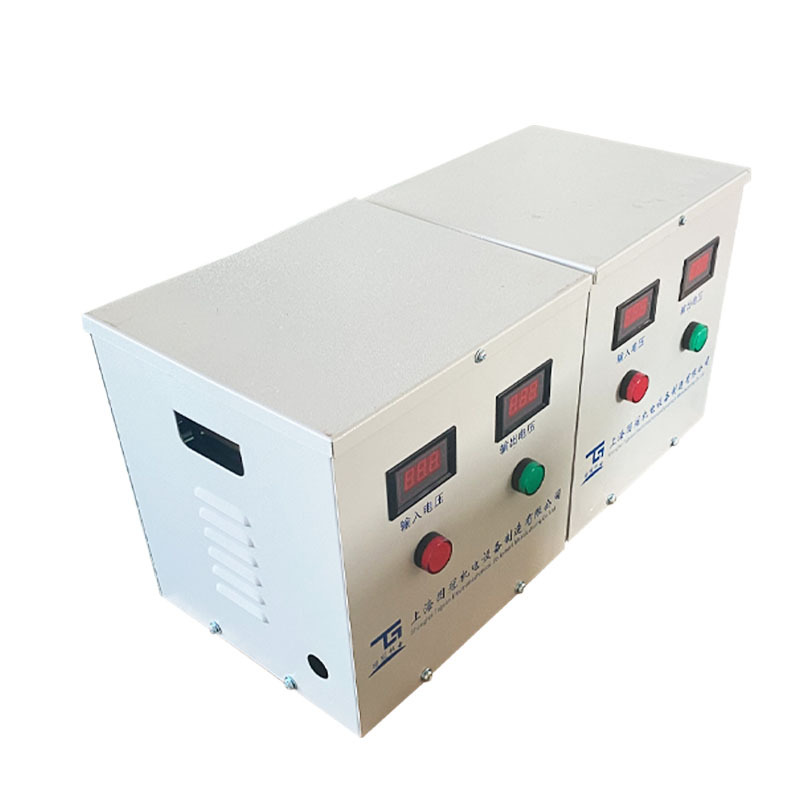
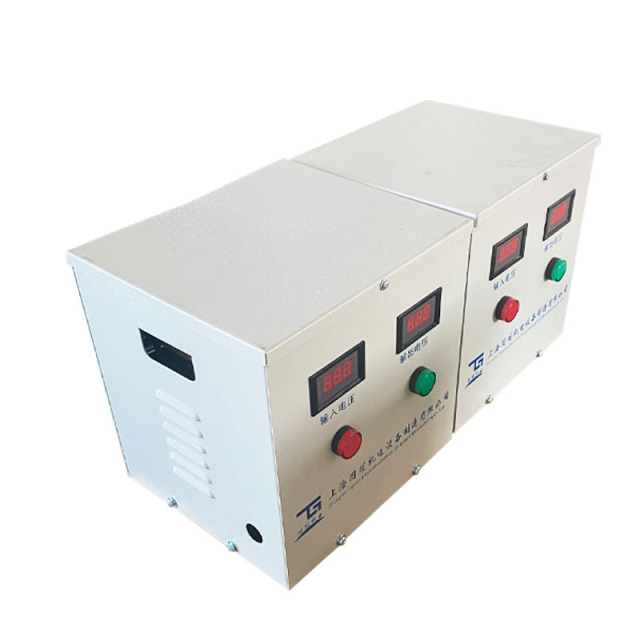
- Mount the unit level with the clearance shown on the arrangement drawing and leave the ventilation slots unobstructed. A dry-type transformer cools by air, and an enclosed corner without airflow is the most common reason a healthy unit runs hot.
- Keep the low-voltage run short on lighting duty. Where the low voltage lighting transformer feeds luminaires, place it as close to the lighting distribution point as the layout allows, so the secondary cable run and its volt drop stay manageable.
- Land supply, load and earth on the right terminals. Supply goes to one side, load to the other, and the grounding screws are bonded to the installation earth. Check every terminal for tightness before the covers go back on.
- Test before energising: measure insulation resistance, confirm the connection links match the drawing, and check that the fuse in the main switch is the rating the lighting circuit calls for.
- Record what you set. Write the incoming and outgoing voltages, connection group and commissioning date on the panel schedule, so the next technician can see what this step-down transformer is set to without opening it.
Custom Build Brief
- Start with whatever you already have. Plant low-voltage transformer manufacturers normally ask for a drawing; we can also work from a photo of the failed unit's nameplate, a single-line diagram, or a written list of voltages and duties.
- Give us the electrical parameters: rated power in kVA, primary and secondary voltages, supply frequency, connection group, insulation class, and any dielectric strength or impedance level your project wants tested.
- Describe the duty, not only the rating. Tell us what the custom transformer feeds — lighting, control gear, a machine, a rectifier — and whether the load is continuous, intermittent or motor-driven with a heavy starting current.
- Send the space limits. Height, footprint, terminal positions and the direction the cables arrive from decide whether the unit fits the room you have, which matters most on a replacement where the plinth is already cast.
- Flag the environment. Ambient temperature, altitude, dust, humidity and whether the unit sits indoors or outdoors all change how the insulation and the enclosure are specified.
- Approve the drawing and the nameplate data. We issue the arrangement, terminal layout and nameplate for your sign-off, and nothing goes into winding until you confirm the voltages and the appearance.
- Then we build and test it. Production, inspection and packing follow the approved drawing, and the unit leaves our transformer factory with the terminal layout you signed off.
Ordering & Delivery
| Minimum order quantity | 1 set |
| Lead time | 3 to 25 working days, depending on the order quantity and the complexity of the customization |
| Payment | TT, electronic payment, ACH, SEPA, SWIFT, Alipay, WeChat Pay, prepaid card |
| Packing | International wooden cases, or matched to the actual transport needs |
| Warranty | Minimum 12-month warranty; extended warranty options available depending on project requirements |
| Quotation | Detailed pricing typically within 24 hours of your enquiry; a custom proposal typically within 48 hours |
| Custom orders | Built as a custom transformer to your drawing, with the lead time confirmed against the scope |
| How to order | Send the application, the kVA and the primary and secondary voltages through the enquiry form, by email or on WhatsApp, and our team replies with the drawing, price and lead time |
Technical Support & Model Matching
Because we build in our own factory, the engineers who answer your questions are the same people who configure the units on the line. Send us your input and output voltages, load, frequency and site conditions, and we will match the right model or design a custom unit to suit. Our team stays with you from first enquiry through installation and commissioning, helps trace faults, and specifies spare or replacement units for equipment already in service. Twenty years of manufacturing know-how sits behind that support, so the technical answer comes with a build you can rely on.
Incoming material is checked before it reaches the line, and nothing leaves our transformer factory on a batch-sample basis — inspection is 100% across the order. Eight checkpoints follow the unit from raw material warehousing through winding, assembly, testing and packing, so a fault is caught at the stage that caused it rather than at the end of the line. Winding, assembly and final test are all done in-house with no subcontracting, which is what keeps losses, noise and installation fit consistent from one unit to the next. Insulation resistance, dielectric strength to the agreed level and running performance are verified before packing, and the test results travel with the unit. Because we are plant low-voltage transformer manufacturers working under one roof, a question about a test reading reaches the person who wound the coil rather than a call centre. If a unit is damaged in transit or behaves unexpectedly in service, our engineers can trace the build and test records and tell you quickly whether you are looking at a connection issue or a repair case.
FAQ
How is a low voltage transformer different from a voltage stabiliser?
A transformer changes voltage level: you feed it 415 V and it holds a secondary at 200 V. A stabiliser corrects a supply that keeps moving up and down. If your supply is steady but the wrong level for the equipment, this low voltage transformer is the right product; if the incoming voltage swings through the day, a stabiliser belongs in front of it.
Can one unit feed several lighting circuits?
Yes. Size the unit for the total connected lighting load plus the margin your design allows, set the secondary to the fitting rating, and take each circuit from the secondary terminals through its own protection. If the runs are long, check volt drop on the secondary side before you fix the rating — that is usually what decides the next size up, not the load itself.
What do the connection groups Yyn0 and D/y11 mean in practice?
The letters describe how the primary and secondary windings are connected, star or delta, and the number gives the phase shift between them. Yyn0 is the usual choice where a neutral is carried through for single-phase loads; D/y11 suits three-phase distribution where a 30° shift is acceptable. The load mix and anything downstream that has to stay in step decide it, and we confirm the choice on the drawing.
What noise level will the unit run at?
The build is specified at 60 dB or below. Most of what you hear comes from the core, which is why we use high-permeability silicon steel and a tight laminated stack. Mounting on a solid, level surface and keeping the ventilation path clear does as much for noise as the core material does.
What maintenance does a dry-type transformer need?
Very little, because a dry-type transformer has no oil to test or change. Check terminal tightness at each service interval, blow dust off the core and windings instead of letting it settle into an insulating blanket, keep the ventilation slots clear, and listen for a change in noise — a new hum or rattle usually supports a loose lamination or a mounting bolt that needs attention.
Does the supply frequency change the specification?
Yes, so tell us at enquiry whether the site runs at 50 Hz or 60 Hz. Frequency is part of the winding schedule, and a unit wound for one supply is not automatically correct for the other at full rating.
Can the transformer be built into our own panel or enclosure?
Often yes. We can supply the transformer as an open or chassis-mounted unit for installation inside your own enclosure, with terminal positions and cable entry direction agreed at drawing stage. Tell us the internal clearances you have, because the unit still needs an air path for cooling even when the enclosure is yours.