Product Overview
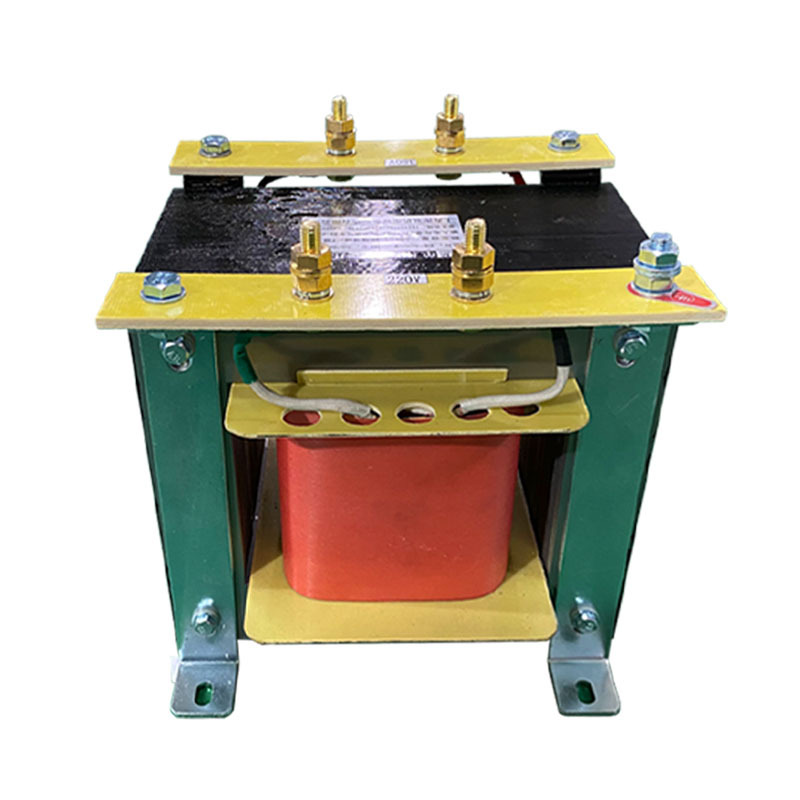
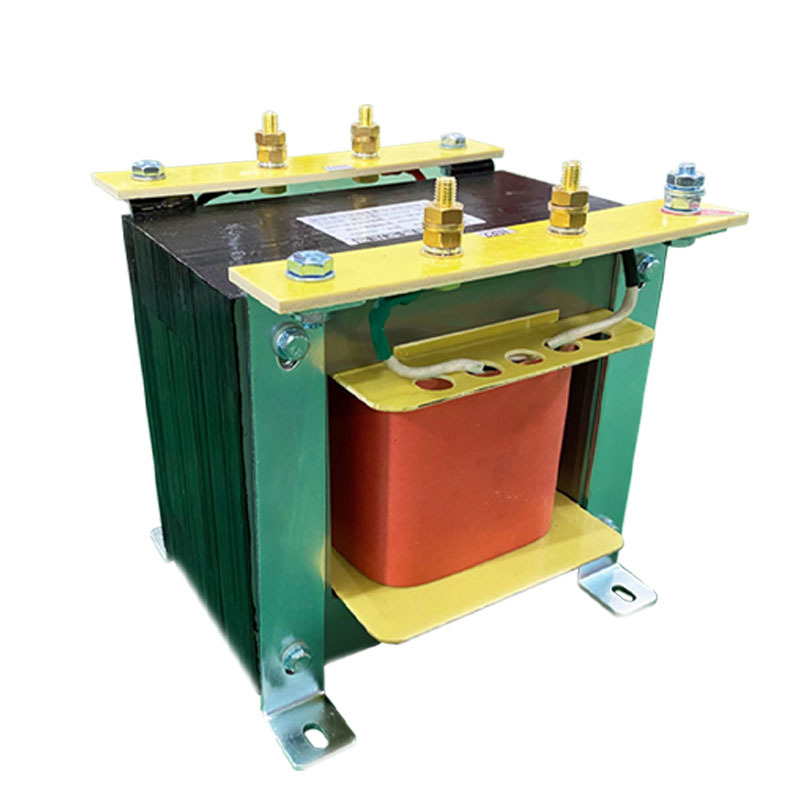
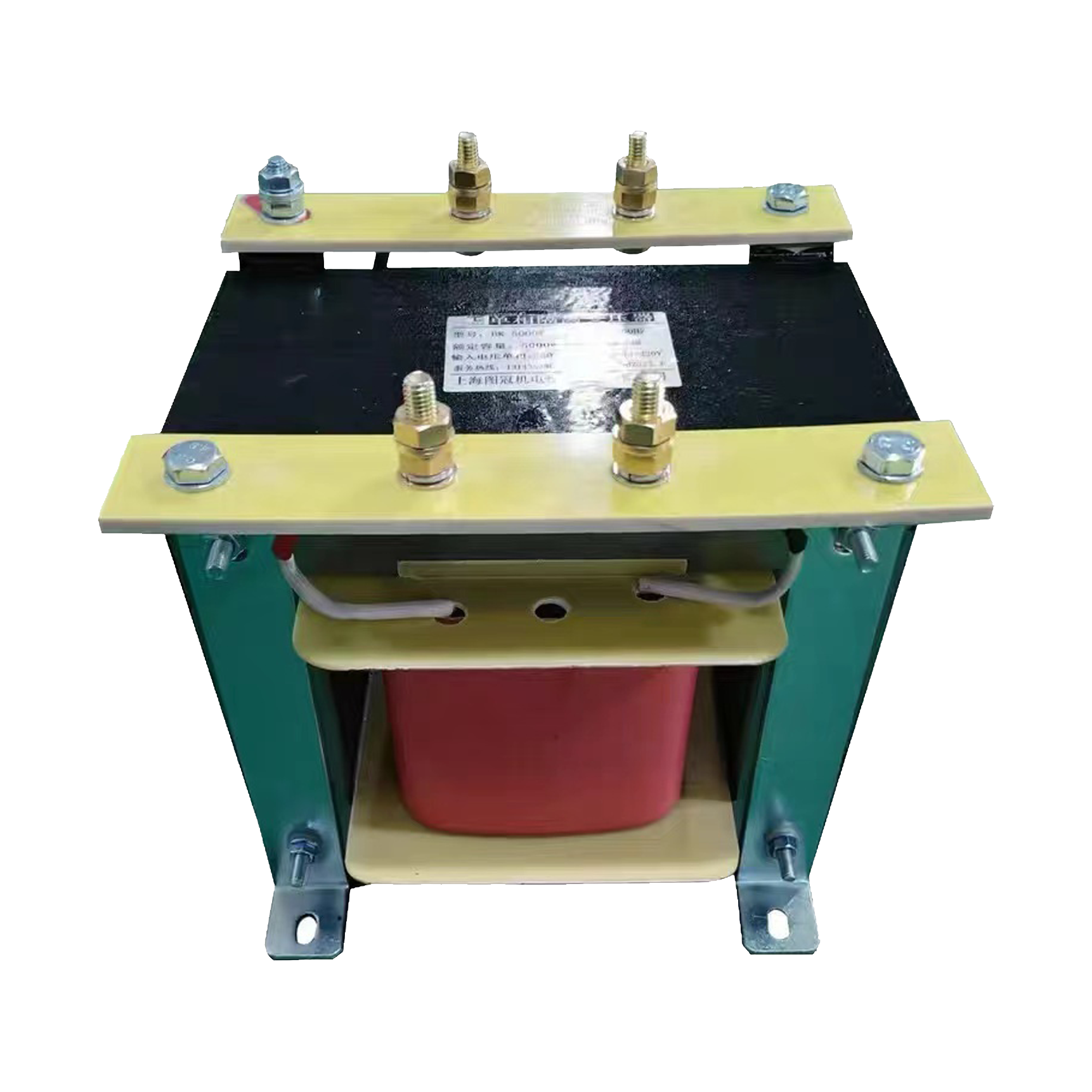
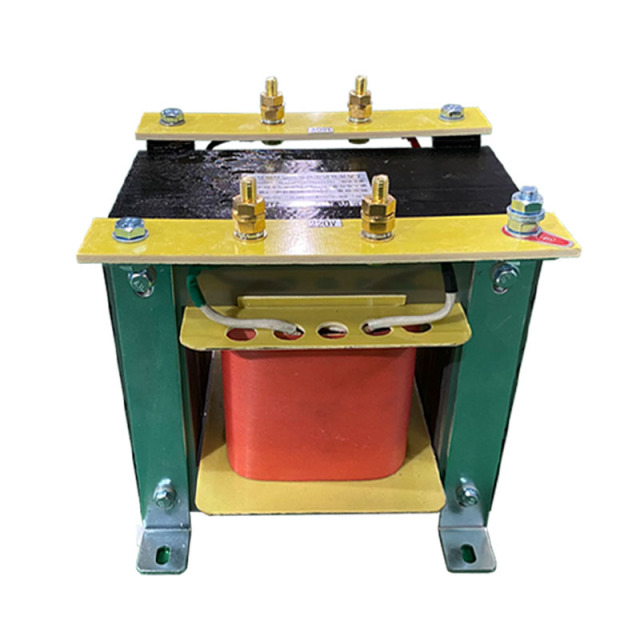
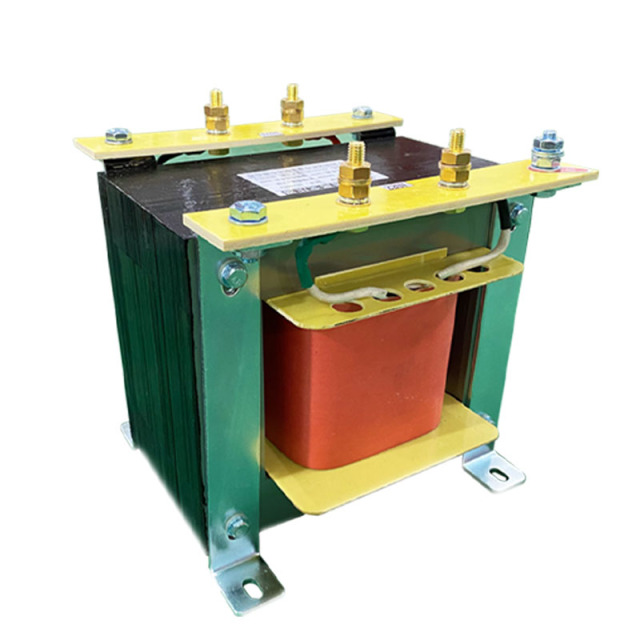
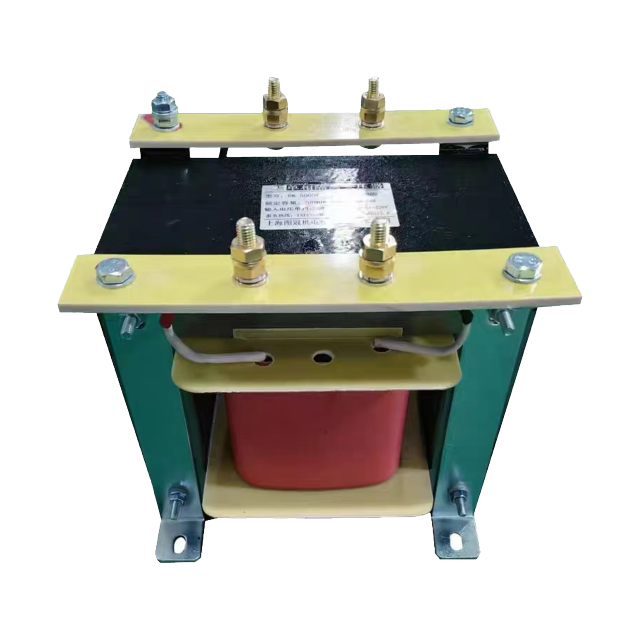
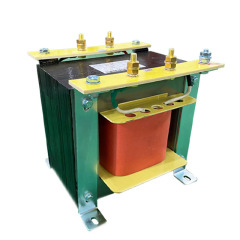
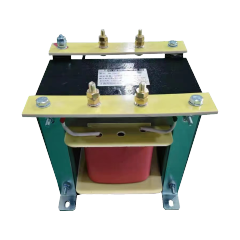
The BK series is our single phase transformer for control and isolation duty: a laminated core and winding assembly on a painted steel frame, wired out through insulated terminal bars and bolted down through mounting feet. It steps a supply up or down, and in the isolation connection the secondary stays electrically separated from the primary. The version shown here is the 480V build at 1kVA. A single phase transformer 480V primary with a 220V or 110V secondary is the shape most control cabinets need, and it is the ratio we build most often for North American machinery and for plants running imported equipment. Other capacities and other ratios come off the same drawings, so a single phase transformer 1kVA unit and a 100 kVA unit follow the same construction logic. Panel builders, machine OEMs, maintenance teams and electrical distributors come to us for one reason: something in the panel needs a voltage the site does not deliver, or needs its own isolated supply instead of a shared bus. The transformer sits inside a control cabinet or beside a machine, energised all shift, feeding contactor coils, relays, timers, indicator lamps, PLC supplies and local lighting. Buyers who order a second time tend to mention the same two things — the unit matched the drawing when it arrived, and the secondary held steady through long runs. Every unit is wound, assembled and tested in our own plants in Shanghai and Zhejiang Province, with no subcontracting of the winding or the final test. That is the difference buyers notice between single phase transformer manufacturers who build to a drawing and those who only assemble bought-in cores: a non-standard voltage, a tight mounting space or a cabinet that runs hot becomes a drawing change rather than a declined order.
Key Features
- High-permeability silicon steel core. Laminations cut from high-permeability silicon steel keep core loss low, hold the assembly rigid and limit the hum you notice in a quiet control room.
- Copper or aluminium windings. Conductors are wound from high-quality copper or aluminium. On any single phase transformer the conductor is the main cost and performance decision: copper gives better conductivity and a cooler, more compact build, while aluminium keeps the price down where weight and size matter less.
- Dry-type construction. There is no oil to fill, filter or dispose of, so the unit goes straight into a control cabinet, plant room or machine enclosure and needs no containment around it.
- Terminal bars and threaded studs. Primary and secondary leads land on insulated terminal bars fitted with threaded studs, so changing a cable is a spanner job rather than a re-termination with a soldering iron.
- Bolt-down mounting feet. The frame is drilled for bolting to a cabinet floor or plinth, which stops the core shifting when the machine or the panel it sits on vibrates.
- Nothing to adjust in service. Once it is wired in there are no moving parts and no settings to trim; routine attention is a check of terminal tightness and a clear path for air through the windings.
- Built to the site, not just the catalogue. We adapt units for specific environmental conditions and for the appearance or enclosure arrangement a project calls for, so a hot cabinet, a corrosive atmosphere or a tight space is handled at the drawing stage.
Rating & Model Selection
- Start with the load. Total the VA of everything the secondary will feed — contactor coils, relays, timers, lamps, control supply — and size the transformer above that total rather than exactly at it. Fix the primary to the real supply. Note the site frequency at the same time — a ratio calculated for the wrong frequency is the mismatch that costs most to correct after delivery. Fix the secondary to what the panel is rated for. That is usually a control voltage, but the same winding can be specified for a lighting load, a heating element or a rectifier supply. Write down the voltage and the current the load draws, not just the equipment model number. Choose the insulation class. B, F and H are all available; the hotter the cabinet or the heavier the duty cycle, the higher the class worth specifying. A lightly loaded unit in an air-conditioned room and one bolted beside a furnace do not need the same class. Confirm the connection. An I,i0 connection is the ordinary single-phase arrangement; I,i6 places the secondary 180° away from the primary; an autocoupler connection is chosen where a small step up or step down is wanted without full isolation. When replacing an existing unit, match the code on the old nameplate instead of guessing from the voltage. Check the fit before the drawing is signed off. Measure the space, the terminal access and the cable entry, and say if the cabinet needs a particular finish or extra protection for a dusty or humid area. Adapting the build for environmental conditions and appearance is far cheaper on paper than after delivery. Approve the drawing and nameplate. The approved sheet carries capacity, primary and secondary voltage, frequency, connection, insulation class and standard, and that sheet — not a catalogue ratio — is what the unit is built and tested against.
Installation & Commissioning
- Inspect on arrival. Compare the nameplate with the approved drawing — capacity, primary and secondary voltage, frequency, connection — and look over the core, windings and terminal bars for anything disturbed in transit.
- Mount the unit. Bolt the feet to a flat, rigid surface inside the cabinet or on a plinth, and leave clearance above and below the core so air can move through the windings.
- Land the primary. Bring the supply conductors in through the correct gland, strip to the length the terminal bar allows, and torque the studs to the figure your own panel standard specifies.
- Land the secondary. Repeat on the load side, and keep control conductors away from power conductors where the panel layout gives you the choice.
- Prove the insulation before energising. Measure insulation resistance winding-to-winding and winding-to-earth with a 500V insulation tester; the readings should be high and steady before you go any further.
- Energise and verify. Apply the primary voltage, read the secondary at no load, then again with the panel connected, and check the loaded reading against the nameplate value. If you are commissioning a single phase transformer 480V primary, confirm the incoming supply really is 480V before the isolator is closed.
Applications
- Machine tool control circuits. A single phase transformer 1kVA or smaller is the usual size behind contactor coils, relays, timers and solenoids, taking the site supply down to the control voltage the panel was designed around.
- Panel lighting and indicator lamps. The same unit feeds local lighting and indicator lamps on machine and switchgear panels, one of the classic duties of a BK-series control transformer.
- Imported machinery on a local supply. A 480V primary lets a North American machine run from a 380V or 400V plant, and the reverse arrangement puts European equipment on a 480V site. We wind whichever side needs it to the voltage you actually have.
- Isolation for control electronics. In the isolation connection the secondary is separated from the primary, so a single phase transformer can give PLCs, sensors and measurement circuits their own supply instead of sharing a noisy or floating bus.
- OEM equipment builds. Machine builders fit the transformer as original equipment, so the second and tenth machine need the same unit to the same drawing rather than a fresh design each time.
Specifications
| Power range | 30 VA to 500 kVA |
| Primary voltage | 1V to 3000V (custom voltages available) |
| Secondary voltage | 1V to 3000V (custom voltages available) |
| Frequency | 50/60 Hz |
| Rated voltage | 3000V |
| Insulation class | B / F / H |
| Winding connection | I,i0 / I,i0 / I,i6 / autocoupler |
| Work efficiency | ≥ 90% |
| Insulation strength | > 100 MΩ (DC 500V) |
| Noise level | ≤ 60 dB |
| Dielectric strength / impedance | Specified on request |
| Winding material | Copper or aluminium |
| Cooling type | Dry-type |
| Standard | IEC 60076, EN 61558-2-4 |
Ordering & Delivery
Send the electrical picture first: capacity, primary and secondary voltage, frequency, connection code, insulation class, and any limit on size, weight or environment. A drawing or a photo of the old nameplate is enough to start; if you have neither, a load list will do and our engineers will work the specification up with you. Most single phase transformer manufacturers quote from a catalogue — we quote from your drawing.
A detailed quote usually comes back within 24 hours of your enquiry. Send it through the enquiry form, by email to JSD@jsd-voltagetransformer.com or on WhatsApp to +86 135 1660 7609, and include the delivery address and the date the site needs the unit.
The minimum order is one set, so a single replacement and a project batch go through the same process. Production takes 3 to 25 working days depending on the order quantity and the complexity of the customisation — a standard ratio in a common capacity moves at the quick end, a new winding drawing at the other. We confirm the date against your project schedule before the order is released.
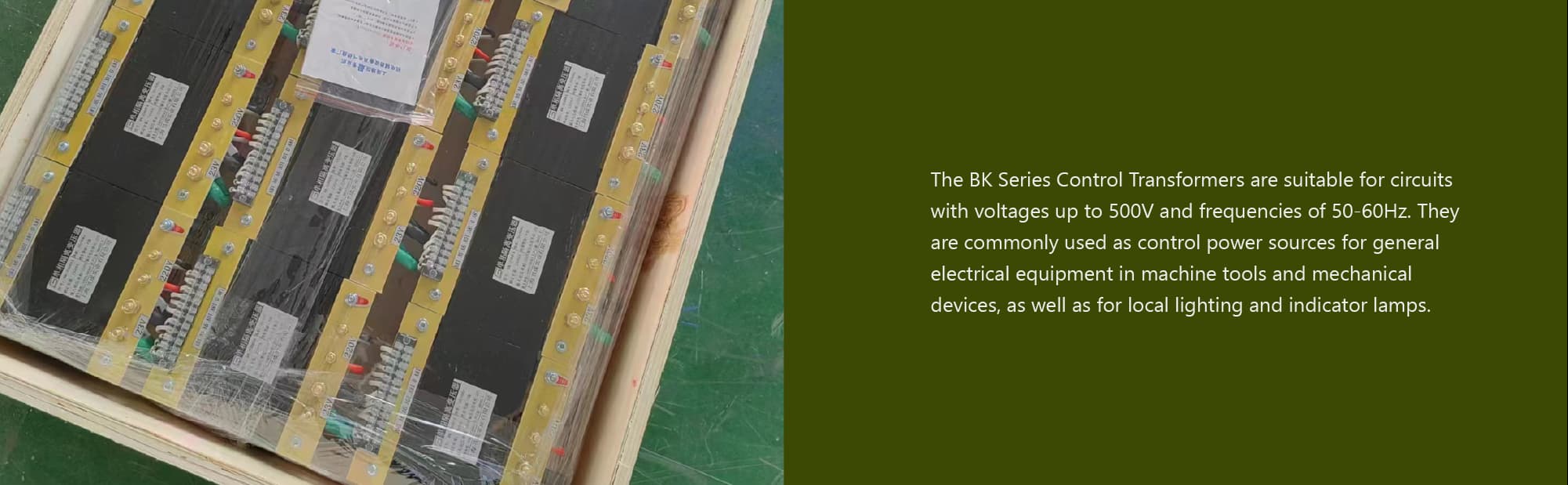
Payment is by TT, electronic payment, ACH, SEPA, SWIFT, Alipay, WeChat Pay or prepaid card. Units travel in international wooden cases, or packed to suit the actual transport needs; tell us if the site has restricted access, a long sea leg or a long storage period and the packing plan is built around that.
Every unit carries a minimum 12-month warranty, with extended warranty options available depending on project requirements. As a custom transformer manufacturer we keep the drawings and winding details for each build, so a repeat order or a second unit for another site is a straight re-run rather than a new design.
Technical Support & Model Matching
Because we build in our own factory, the engineers who answer your questions are the same people who configure the units on the line. Send us your input and output voltages, load, frequency and site conditions, and we will match the right model or design a custom unit to suit. Our team stays with you from first enquiry through installation and commissioning, helps trace faults, and specifies spare or replacement units for equipment already in service. Twenty years of manufacturing know-how sits behind that support, so the technical answer comes with a build you can rely on.
FAQ
Are you a manufacturer or a trading company?
We are a manufacturer. JSD winds, assembles and tests every unit in its own plants in Shanghai and Zhejiang Province and has been building low-voltage transformers and voltage stabilisers for more than 20 years. Nothing is bought in from other single phase transformer manufacturers and resold under our name, so the price is factory-direct and the technical answer comes from the people who built the unit.
How do you control quality before a transformer ships?
Every unit goes through 100% inspection, with 8 dedicated quality-control checkpoints between raw material warehousing and finished-product delivery. Core steel and conductor stock are checked before they reach the winding line, the winding and assembly stages are inspected in process, and each finished transformer is tested against its nameplate before packing. The aim is to catch a fault in the workshop rather than in your panel.
Do you offer customised products, and how do I get a custom solution?
Yes — most of what leaves the plant is built to a specification rather than taken off a shelf. Custom work covers capacity, primary and secondary voltage, frequency, winding connection, insulation class and the physical arrangement for a difficult environment. Describe the application and the electrical parameters, and our engineering team comes back with a proposed solution within 48 hours.
What information do you need for a custom transformer?
A technical drawing is the quickest starting point and we can work straight from it. Without one, send the required power rating, the voltage on both sides, any limit on installation size, the insulation class you want, and any special environmental conditions such as a hot cabinet, a high-altitude site or a corrosive atmosphere. That is enough for a custom transformer manufacturer to produce the drawing for you.
Can you supply a single phase transformer 480V to 220V for imported machinery?
Yes, that ratio is routine. We would wind the primary to the supply you actually have and the secondary to the voltage the machine's control circuit is rated for, then confirm the capacity from the machine's load. Send the machine nameplate and we will come back with the ratio, the frame size and the terminal arrangement that fits the space you have.
How do I replace a failed 1kVA control transformer?
Photograph the old nameplate — a BK nameplate carries the model, the rated capacity and the input and output voltages — and send it with your enquiry. For a single phase transformer 1kVA replacement we match capacity and ratio first, then check footprint and terminal positions so the new unit drops into the same space. If the original was undersized or the panel has grown since, we will say so and quote the next size up instead of repeating the problem.
Will the transformer work on a 60 Hz supply?
Yes. The series is built for 50/60 Hz operation, and 60 Hz is common on equipment coming from North America or Japan. Tell us the site frequency when you specify, because it is part of how the core is sized for a given secondary voltage, and we will wind and test the unit to the figure you give us.